
That amber warning glow on your CX-5’s dash can feel like a punch to the gut. You’re not alone, check engine lights rank among the most common crossover alerts reported by Mazda drivers.
Your Mazda CX-5 check engine light signals that the on-board diagnostics system (OBD-II) has detected a fault in emissions control, ignition timing, fuel delivery, or sensor operation. A steady light typically indicates a non-critical issue like an EVAP leak or oxygen sensor drift, while a flashing check engine light warns of severe misfire or turbo boost problems that demand immediate attention to prevent catalytic converter damage.
Below, you’ll learn exactly how to diagnose your CX-5’s warning light, identify the most common trouble codes for 2.0L, 2.5L, and 2.5T SkyActiv engines, and decide whether you can keep driving or need to pull over right away.
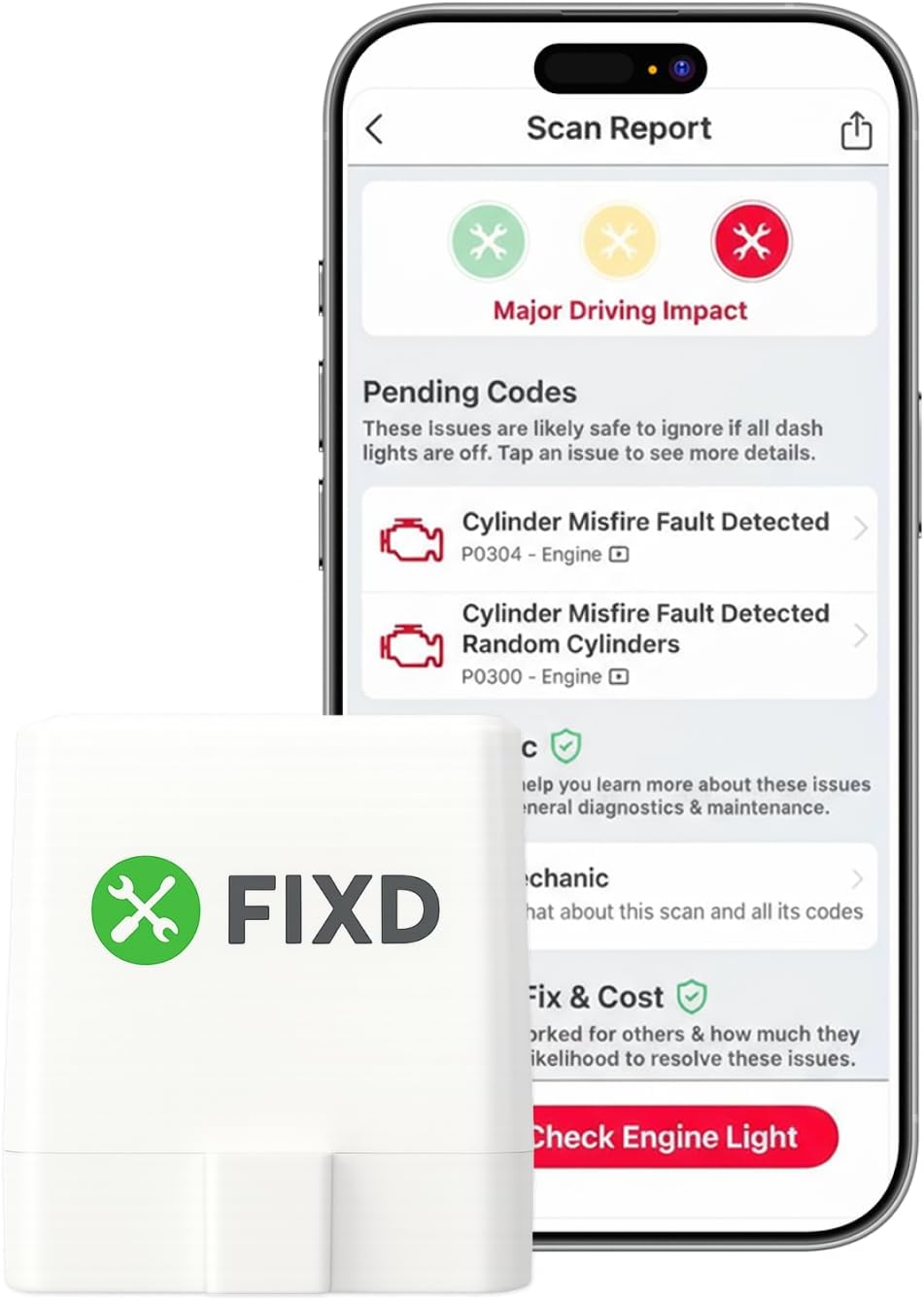
Best Bluetooth OBD2 Scanner
Detect 39,000+ Issues With Enhanced Codes. Save $1000s on car repairs & buying used vehicles by diagnosing problems yourself.
Shop on Amazon
Key Takeaways
- A steady Mazda CX-5 check engine light signals non-critical issues like loose gas caps or oxygen sensor drift, while a flashing light demands immediate attention to prevent catalytic converter damage.
- The five most common causes of check engine light warnings are oxygen sensor failures, catalytic converter degradation, mass airflow sensor contamination, spark plug and ignition coil malfunctions, and EVAP system leaks.
- Use an OBD-II scanner to read diagnostic trouble codes from your CX-5’s 16-pin port under the driver-side dash, then research codes on Mazda forums before approving expensive repairs.
- You can safely drive short distances with a steady check engine light, but avoid hard acceleration and highway trips until you diagnose and fix the root cause.
- Start repairs with the simplest solution—tighten or replace your gas cap, which resolves 15–20% of check engine lights for under $20—before replacing expensive components.
What Does the Check Engine Light Mean in Your Mazda CX-5?
Your CX-5’s check engine light, officially called the malfunction indicator lamp (MIL), is hardwired to the engine control unit (ECU). The ECU monitors dozens of sensors across your SkyActiv powertrain, from oxygen sensors measuring exhaust gases to knock sensors protecting against pre-ignition.
When any reading falls outside programmed thresholds, the ECU logs a diagnostic trouble code (DTC) and illuminates the amber engine symbol. That code stays in memory until you clear it with a scan tool or the fault corrects itself over multiple drive cycles.
A solid, steady light means the system detected a fault that won’t cause immediate engine damage. Think minor EVAP leaks (P0442, P0455), lazy oxygen sensors, or a loose gas cap. You can usually drive to a shop or parts store without harming your crossover.
A flashing check engine light is a critical alert. It signals active cylinder misfire, unburned fuel entering the catalytic converter, or dangerous boost pressure deviations on turbo models. Pull over safely, shut down the engine, and arrange for towing to prevent melting the cat or damaging pistons.
“My 2019 CX-5 check engine light came on solid after fill-up. Gas cap wasn’t tight. Retorqued it, drove 50 miles, light went off on its own.” via r/CX5
Ignoring a steady light won’t brick your crossover overnight, but prolonged neglect can snowball into pricey repairs. A fouled oxygen sensor, left unchecked, can damage the catalytic converter within 10,000 miles. Always scan the code within a week.
Most Common Causes of the Mazda CX-5 Check Engine Light
Oxygen Sensor Failures
Oxygen sensors (upstream and downstream) measure exhaust oxygen content to fine-tune fuel trim. CX-5 models accumulate carbon deposits from direct injection, slowly poisoning O₂ sensors. Codes P0130, P0136, P0150, and P0156 appear when sensor voltage remains flat.
You’ll notice reduced fuel economy, often 2–4 mpg, and sluggish throttle response. The ECU switches to open-loop mode, using pre-programmed maps instead of real-time sensor data. Replacement is straightforward: upstream sensors cost about $60–$120, downstream units run $50–$80. A BOSCH oxygen sensor restores closed-loop precision on most 2013–2026 CX-5s.

Catalytic Converter Issues
Catalytic converters on SkyActiv engines last 100,000–150,000 miles under normal conditions. High-compression GDI operation and short-trip city driving accelerate substrate degradation. Code P0420 (Bank 1) or P0430 (Bank 2) means catalyst efficiency has dropped below threshold.
Symptoms include a sulfur smell, reduced power above 4,000 rpm, and failing emissions tests. Converter replacement is expensive, $800–$1,800 installed, so verify the diagnosis with a secondary scan tool before approving the repair.
Mass Airflow Sensor Problems
The MAF sensor sits between your air filter and throttle body, measuring intake volume. Oil residue from over-oiled aftermarket filters, road dust, and debris contaminate the hot-wire element. Code P0101 (MAF range/performance) or P0171/P0174 (system too lean) are telltale signs.
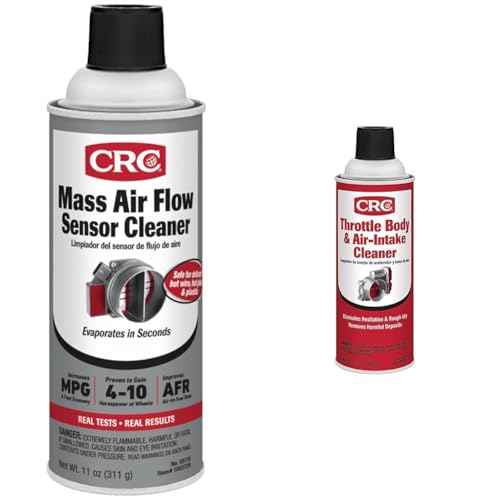
Your CX-5 may stumble at idle, hesitate during acceleration, or stall when coming to a stop. Clean the sensor with CRC MAF cleaner, never use throttle-body or brake cleaner, which leaves residue. If cleaning doesn’t work, a new MAF runs $80–$150.
Spark Plugs and Ignition Coil Malfunctions
SkyActiv engines use high compression ratios (13:1 on naturally aspirated, 10.5:1 on turbo) that stress spark plugs and coils. Mazda specifies iridium plugs every 75,000 miles, but turbo models under heavy load may foul them sooner. Codes P0300 (random misfire), P0301–P0304 (cylinder-specific), or P0351–P0354 (coil primary/secondary) point to ignition faults.
Misfire causes rough idle, power loss, and a flashing check engine light at high rpm. Inspect plugs for oil fouling, carbon tracking, or worn electrodes. Coil-on-plug assemblies crack from heat cycling: replace in sets to avoid repeat failures.
Loose or Faulty Gas Cap
The EVAP system seals fuel vapors inside the tank and charcoal canister to meet emissions standards. A loose, cracked, or missing gas cap triggers codes P0442 (small leak) or P0455 (large leak). The check engine light appears after the ECU runs its leak test, usually after a cold start and 20 minutes of highway driving.
Tighten your cap until you hear three clicks. Drive through two complete cycles (cold start to full warm-up) to let the ECU re-test. If the light persists, inspect the cap seal for cracks and check the filler neck for corrosion.
How to Diagnose Your Mazda CX-5 Check Engine Light
Using an OBD-II Scanner to Read Trouble Codes
Every CX-5 since 2012 has a 16-pin OBD-II port under the driver-side dash, just above the hood release. Plug in a FIXD OBD-II scanner or any Bluetooth adapter and pair it with your smartphone.
Turn the ignition to ON (engine off). The scanner powers up and retrieves stored codes within seconds. Write down every code, P0128, P0126, P0171, whatever appears, along with freeze-frame data showing RPM, coolant temp, and vehicle speed when the fault occurred.
Don’t clear codes yet. Research each DTC on Mazda’s owner portal or cross-reference with forums like CX5 Forum. Many codes share symptoms, so freeze-frame context helps you prioritize.
If you see multiple codes, diagnose the lowest number first, it’s often the root cause. For example, P0171 (system too lean) may stem from a vacuum leak that also triggers P0300 (random misfire). Fix the leak, clear codes, and retest before replacing parts.
“2017 2.5L threw P0126 in winter. Coolant temp never hit 180°F. Thermostat stuck open, $45 part, 30-min DIY fix.” via Mazdas247 Forum
Compare your symptoms to known patterns:
| DTC Code | Description | Likely Cause | Severity |
|---|---|---|---|
| P0126 | Insufficient coolant temp | Stuck-open thermostat | Low |
| P0420 | Catalyst efficiency below threshold | Degraded catalytic converter | Moderate |
| P0300 | Random/multiple cylinder misfire | Spark plugs, coils, fuel injectors | High |
| P0442 | EVAP system small leak | Loose gas cap, cracked hose | Low |
| P0101 | MAF sensor range/performance | Dirty or failed MAF | Moderate |
If you’re unsure, snap a photo of the code list and consult a certified Mazda technician. Independent shops often scan codes for free, leverage that before committing to repairs.
Can You Drive Your Mazda CX-5 With the Check Engine Light On?
A steady check engine light means you can drive short distances, home, to a parts store, or to your mechanic, without catastrophic damage. The ECU has entered limp mode or adjusted fuel maps to protect the engine. Avoid hard acceleration, high-rpm shifts, and long highway trips until you diagnose the issue.
You’ll likely experience reduced fuel economy (10–15% drop), sluggish throttle response, and disabled i-ACTIVSENSE features on 2019+ models. Adaptive cruise control and lane-keep assist shut down when the ECU detects powertrain faults.
A flashing check engine light means stop driving immediately. Active misfire dumps raw fuel into the exhaust, which ignites inside the catalytic converter and melts the ceramic substrate within minutes. Repair costs jump from $200 spark-plug replacement to $2,000+ converter and O₂ sensor overhaul.
If the light flashes then goes steady, misfire was temporary, possibly from bad fuel or water ingestion. Drive gently to a safe location, scan codes, and decide next steps. Don’t ignore it: intermittent misfire often worsens.
Check your owner’s manual for CX-5-specific guidance. Mazda recommends towing if you notice smoke, strong fuel odor, or grinding noises alongside the warning light.
How to Fix Common Mazda CX-5 Check Engine Light Problems
Start with the simplest repair. Tighten or replace your gas cap, it solves 15–20% of check engine lights and costs under $20. Drive two complete cycles: if the light stays off, you’re done.
For oxygen sensor codes (P013x, P015x), replace the faulty sensor and clear codes. Upstream sensors affect fuel trim: downstream sensors monitor catalyst efficiency. If you see P0420 shortly after replacing downstream O₂ sensors, recheck installation, reversed bank position is common.
P0126 coolant thermostat codes plague 2013–2018 CX-5s in cold climates. The thermostat sticks open, preventing the engine from reaching optimal 195°F operating temp. Replace the thermostat housing assembly ($40–$80 part) and flush old coolant. DIY takes 45 minutes: shops charge $150–$250 labor.
MAF sensor issues (P0101, P0171) respond to cleaning first. Remove the sensor, spray CRC MAF cleaner on the hot-wire element, let it air-dry, and reinstall. If codes return within 100 miles, replace the MAF.
Misfire codes (P0300–P0304) require inspection. Pull spark plugs at 75,000 miles even if the light isn’t on, SkyActiv engines are unforgiving. Swap coil packs between cylinders: if the misfire follows the coil, you’ve found your culprit. Replace coils and plugs together for maximum reliability.
For EVAP codes (P0442, P0455), inspect hoses from the fuel tank to the charcoal canister. Look for cracks, disconnected lines, or rodent damage. Smoke-test the system if visual inspection reveals nothing, most shops charge $80–$120 for EVAP diagnosis.
How to Reset the Check Engine Light on a Mazda CX-5
Connect your OBD-II scanner, navigate to “Clear Codes,” and confirm. The ECU erases stored DTCs and turns off the check engine light. Start the engine and verify the light stays off.
Alternatively, disconnect the negative battery terminal for 15 minutes. This clears ECU memory but also resets radio presets, clock, and adaptive transmission learning. The ECU will relearn shift points over 30–50 miles of mixed driving.
Never reset codes without diagnosing the root cause. The light will return, often within hours, if the fault persists. Use reset only after completing repairs to confirm your fix worked.
Some 2019+ CX-5s require a scan tool with bi-directional control to reset adaptation values after repairs. If your light returns immediately post-reset, the ECU is detecting a live fault. Recheck connections, inspect for vacuum leaks, and verify part installation.
Watch this walkthrough for a visual guide:
Expert Note: The SkyActiv-G and Turbo ECUs run continuous self-diagnostics. After you clear codes, the system needs 50–100 miles of varied driving (city, highway, idle) to complete readiness monitors. If you're due for emissions testing, don't reset codes until after the test, incomplete monitors trigger automatic failure in most states.
Frequently Asked Questions
What does a Mazda CX-5 check engine light mean?
The Mazda CX-5 check engine light (malfunction indicator lamp) signals that the engine control unit (ECU) has detected a fault in emissions control, ignition timing, fuel delivery, or sensor operation. A steady light indicates a non-critical issue like an EVAP leak or oxygen sensor drift. A flashing light warns of severe misfire or turbo problems requiring immediate attention.
Can I drive my Mazda CX-5 with the check engine light on?
A steady check engine light allows short-distance driving to a mechanic, though expect reduced fuel economy and sluggish throttle response. A flashing light is critical—stop immediately and arrange towing. Active misfire can melt your catalytic converter within minutes, escalating repair costs from $200 to over $2,000.
What are the most common causes of a Mazda CX-5 check engine light?
Common causes include oxygen sensor failures (P0130, P0136), catalytic converter degradation (P0420, P0430), mass airflow sensor contamination (P0101), spark plug and ignition coil malfunctions (P0300–P0304), and loose gas caps (P0442, P0455). A loose gas cap solves 15–20% of check engine lights.
How do I diagnose what’s wrong with my Mazda CX-5 check engine light?
Connect an OBD-II scanner to the 16-pin port under your driver-side dash. Retrieve diagnostic trouble codes and freeze-frame data showing RPM and coolant temperature when the fault occurred. Research each code on Mazda’s portal or forums like CX5 Forum. Diagnose the lowest code number first, as it’s often the root cause.
How much does it cost to fix a Mazda CX-5 check engine light?
Costs vary widely: a loose gas cap fix runs under $20; oxygen sensor replacement costs $50–$120; MAF sensor cleaning is free, replacement $80–$150; and catalytic converter replacement runs $800–$1,800 installed. Always scan the code and verify the diagnosis before committing to expensive repairs.
What should I do if my CX-5 check engine light keeps coming back?
If the light returns immediately after reset, the ECU is detecting a live fault. Recheck all connections, inspect for vacuum leaks, and verify part installation. The system needs 50–100 miles of varied driving (city, highway, idle) to complete diagnostic readiness monitors after repairs. Avoid resetting codes before emissions testing, as incomplete monitors trigger automatic failure.
Read More:
- Kia Check Engine Light (Complete Troubleshooting Guide)
- Honda Check Engine Light (Means, Causes and How to Decode)
- Mazda Check Engine Light (Here’s the Complete Diagnostic Guide)
- Ford Check Engine Light Reset (Here’s the Complete Guide)
- Ford Check Engine Light (Means and Step-By-Step Diagnosis)