
Your Honda Odyssey’s check engine light just turned on mid-drive, and you’re wondering whether you can finish the school run or need to pull over immediately. That amber warning can mean anything from a loose gas cap to serious engine trouble.
The Honda Odyssey check engine light activates when the onboard computer detects emissions, fuel delivery, ignition, or sensor faults that exceed programmed thresholds: a steady light allows continued driving with prompt diagnosis, while a flashing light signals severe cylinder misfires requiring immediate shutdown to prevent catalytic converter damage.
This guide walks you through exactly what that light means, how to perform safe roadside checks, scan for diagnostic trouble codes with an OBD-II scanner, identify common Odyssey-specific culprits like VCM spark plug fouling and EVAP leaks, and decide when you can drive versus when you need to stop. Let’s decode that dashboard warning and keep your family transport running reliably.
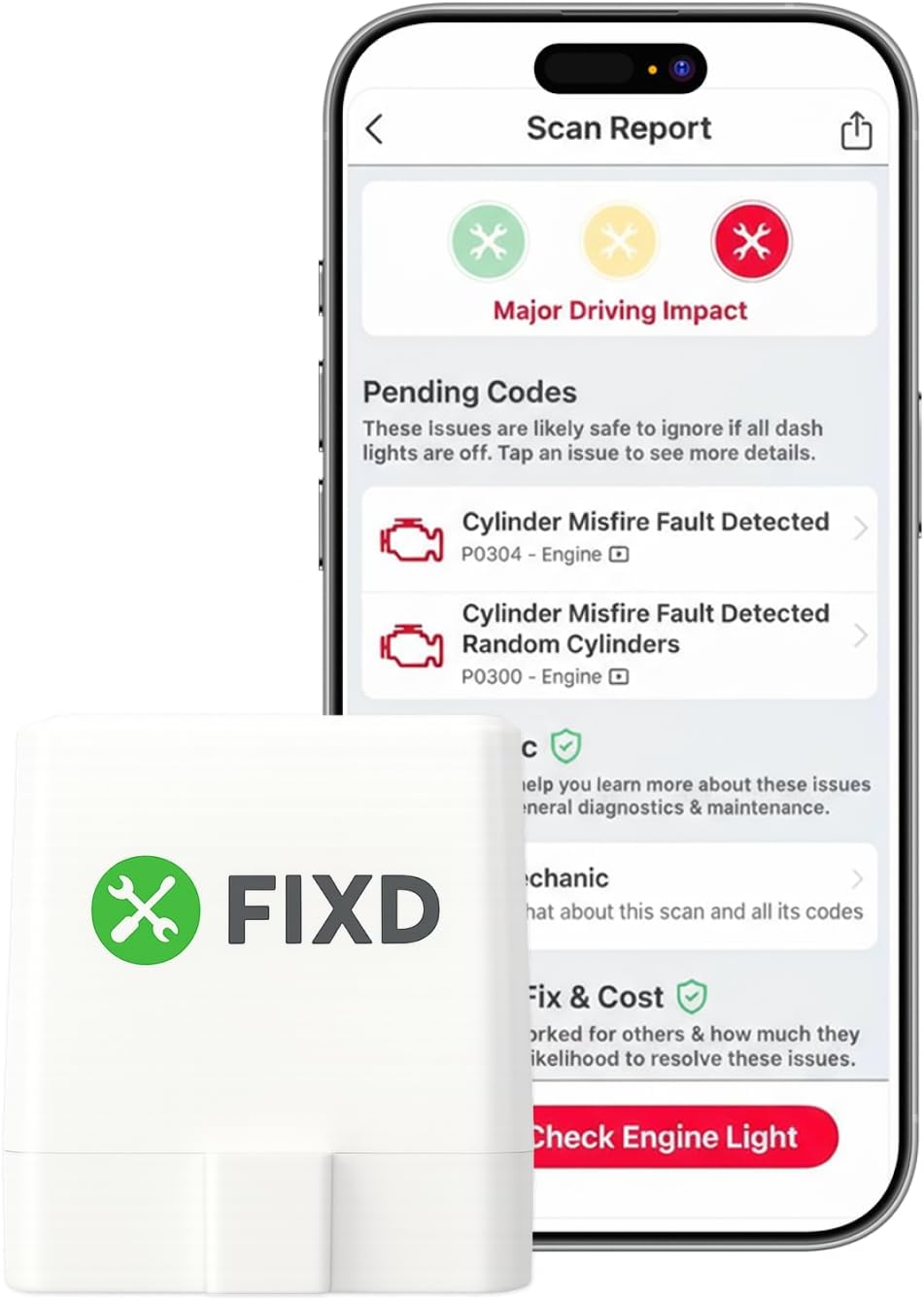
Best Bluetooth OBD2 Scanner
Detect 39,000+ Issues With Enhanced Codes. Save $1000s on car repairs & buying used vehicles by diagnosing problems yourself.
Shop on Amazon
Key Takeaways
- A steady Honda Odyssey check engine light allows continued driving with prompt diagnosis, while a flashing light signals severe misfires requiring immediate shutdown to prevent catalytic converter damage.
- Common causes include loose fuel caps triggering EVAP codes, VCM spark plug fouling on 2005–2017 V6 models, failing oxygen sensors, and dirty EGR valves—often diagnosable with a $25 OBD-II scanner.
- Perform roadside safety checks including fuel cap reseating, oil-level verification, and coolant inspection before driving to a repair shop if the check engine light is steady.
- VCM-related oil-pressure-switch codes have spiked 34% since 2022 as older Odyssey vans cross 150,000 miles, making VCM Muzzlers a cost-effective $300 alternative to $800 dealer solenoid replacements.
- Freeze-frame data reveals fault timing and engine conditions, helping distinguish cold-start issues from highway acceleration problems and guiding targeted repairs over parts-throwing diagnostics.
What The Warning Indicator Means
Steady Versus Flashing Illumination
A steady amber check engine light tells you the system logged a fault that affects emissions or drivability but isn’t immediately catastrophic. You can usually drive home or to a repair shop, though you should scan codes within a day or two. The computer continues monitoring, so additional faults may stack up if you ignore it.
A flashing check engine light means the engine is actively misfiring, raw fuel is hitting the catalytic converter and overheating it. Pull over safely, shut off the engine, and arrange a tow. Continuing to drive risks converter meltdown, which can cost upward of $1,500 to replace.
Some Odyssey models also illuminate FCW, VSA, or ECO mode warnings alongside the check light when sensor data becomes unreliable. Those secondary alerts often disappear once you fix the root code.
How The Onboard Diagnostics System Works
Your Odyssey’s powertrain control module (PCM) monitors dozens of sensors, oxygen sensors, mass airflow, throttle position, camshaft position, and knock sensors, every millisecond. When a reading falls outside the programmed range for two consecutive drive cycles, the PCM stores a diagnostic trouble code and lights the amber lamp.
The system follows OBD-II standards, so any generic OBD-II scanner can pull codes from the 16-pin port under your dash. Honda-specific live data requires a more advanced scan tool, but even a $25 Bluetooth dongle and smartphone app will show you P-codes and freeze-frame snapshots.
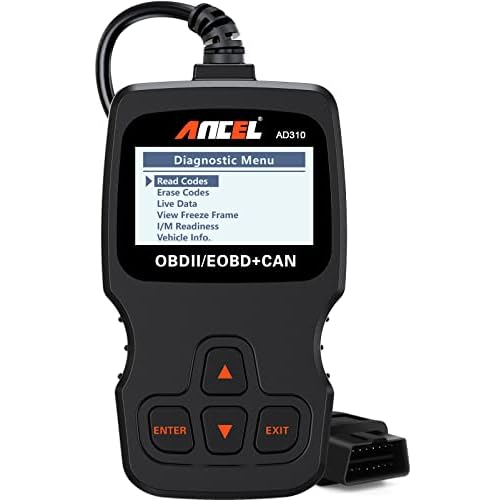
Freeze-frame data captures engine RPM, coolant temperature, fuel trim, and vehicle speed at the moment the fault triggered, giving you context, like whether the misfire happened at highway cruise or cold start.
Immediate Safety Steps
When To Stop Driving Immediately
Stop and shut down the engine if the check light is flashing, if you hear loud knocking or rattling, if the engine loses power completely, or if you see steam or smell burning oil. A flashing light paired with rough idle means cylinders aren’t firing correctly, and unburned fuel is flooding the exhaust.
Also pull over if the oil pressure warning or temperature gauge spikes simultaneously. Loss of oil pressure can destroy bearings in seconds, especially on VCM-equipped V6 engines that rely on precise hydraulic timing for cylinder deactivation.
Safe Checks To Perform Before Continuing
If the light is steady and the van drives normally, perform these roadside checks:
- Fuel cap: Remove and reseat it until you hear three clicks. A loose cap is the number-one cause of P0455 and P1457 EVAP leak codes on Odyssey minivans.
- Oil level: Pull the dipstick and confirm oil is between the lower and upper hash marks. Low oil triggers VCM pressure-switch codes like P3497 or P1259.
- Coolant level: Glance at the overflow reservoir: if it’s empty, don’t drive, overheating warps heads and gaskets.
- Listen: Run the engine at idle and listen for ticking, hissing, or exhaust leaks that suggest spark plug blowout or cracked manifolds.
If everything checks out and the light stays steady, you can drive gently to a shop or home. Avoid hard acceleration and watch for changes in idle quality or power delivery.
Common Causes In Honda Odyssey Models
Loose Or Faulty Fuel Cap
The Odyssey’s evaporative emissions system monitors fuel-vapor pressure in the tank. A cap that’s cross-threaded, cracked, or missing its rubber seal lets vapors escape, triggering codes P0455 (large EVAP leak) or P1457 (fuel cap leak). Replace the cap with a genuine Honda part if the rubber gasket looks flattened or if the ratchet mechanism doesn’t click.
Engine Misfires And Ignition Problems
Variable Cylinder Management (VCM) on 2005–2017 V6 Odyssey engines deactivates cylinders 1, 4, and 6 during light-load cruising to save fuel. Unfortunately, those cylinders run cooler and foul spark plugs with oil and carbon, leading to misfire codes P0300 (random), P0301, P0304, or P0306.
Coil-on-plug ignition coils also fail, especially on high-mileage vans. Swap suspect coils between cylinders and rescan: if the misfire follows the coil, replace it.
Emissions System Faults
Oxygen sensors (front and rear) degrade over time, causing sluggish fuel trim and code P0420 (catalyst efficiency below threshold). The downstream O2 sensor on the rear exhaust manifold is particularly prone to carbon buildup on 2011–2018 models. Replacement sensors cost around $60 and require a 22 mm oxygen-sensor socket.
Dirty EGR valves and clogged passages generate P0401 (EGR flow insufficient). Honda V6 engines recirculate hot exhaust through the intake manifold, and carbon deposits choke the valve over time. Remove the valve, soak it in carburetor cleaner, and scrub passages with a wire brush.
Airflow And Fuel Delivery Issues
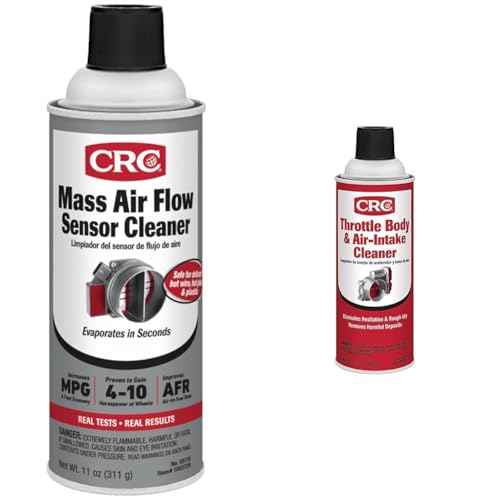
A contaminated mass airflow (MAF) sensor underreports incoming air, pushing the fuel mixture too rich and lighting the check lamp. Clean the delicate platinum wires inside the MAF housing with dedicated MAF cleaner spray, never use brake cleaner or compressed air, which can damage the sensor.
Clogged fuel injectors or a weak fuel pump rarely trigger the light on their own but often accompany misfire codes. If you see negative long-term fuel trim (LTFT) values below –10%, suspect a rich condition caused by leaking injectors.
Sensor And Electrical Failures
Camshaft position sensors (CMP) and crankshaft position sensors (CKP) fail on high-mileage Odyssey vans, causing codes P0335, P0340, or P0344. The CMP sensor sits on the rear cylinder head and sees oil leaks and heat cycling. VCM oil-pressure switches also throw P3497 or P1259 when internal springs weaken, confusing the PCM about which cylinders are active.
“2008 Odyssey, 180k miles, check engine light came on with P3400 and P1259. Dealer wanted $800 to replace VCM solenoid. I installed a VCM Muzzler for $300 and the codes haven’t returned in 15k miles.” via OdyClub
How To Diagnose The Problem
Reading Diagnostic Trouble Codes
Locate the OBD-II port under the driver-side dash, near the hood release. Plug in your BlueDriver Bluetooth scanner or similar tool, turn the ignition to ON (engine off), and launch the app. Tap “Read Codes” to pull stored and pending codes.

Write down every code and its description. Common Honda Odyssey DTCs include:
| Code | Description | Typical Cause |
|---|---|---|
| P0300 | Random misfire | Fouled plugs, weak coil |
| P0420 | Catalyst efficiency low | Failed O2 sensor, worn cat |
| P0455 | EVAP leak large | Loose fuel cap, cracked hose |
| P1457 | EVAP leak fuel cap | Bad cap seal |
| P3497 | VCM pressure switch stuck | VCM solenoid, oil pressure |
| P0401 | EGR flow insufficient | Carbon buildup in valve |
Clear the codes and test-drive for two complete warm-up cycles. If the same code returns, you’ve confirmed a persistent fault.
Using Freeze-Frame Data
Freeze-frame captures show engine load, RPM, coolant temp, and short-term fuel trim the instant the PCM logged the fault. For example, if a misfire code shows 3,000 RPM and 75% load, the problem likely appears under highway acceleration, pointing to a weak ignition coil or clogged injector rather than a cold-start issue.
Compare fuel trims: STFT and LTFT near ±5% are normal. Values above +15% mean the engine is adding fuel to compensate for a lean condition (vacuum leak, dirty MAF). Values below –10% indicate too much fuel (leaking injector, bad O2 sensor).
When Professional Testing Is Needed
If codes point to the VVT actuator, VCM system, or internal engine sensors, you’ll need a Honda-specific scan tool (HDS) to run bidirectional tests and monitor live oil-pressure data. Shops charge around $100–$150 for comprehensive diagnostics.
Intermittent electrical faults, like a flaky CKP sensor or corroded PCM connector, also require professional wiggle-tests and voltage checks with an oscilloscope. Don’t throw parts at the problem if codes keep returning after you’ve replaced the obvious suspects.
Related Warning Signs To Watch For
Rough Idle Or Reduced Power
A check light paired with shaking or surging at stop lights usually means one or more cylinders aren’t firing. Count any RPM drop below 600 or violent shudder as confirmation of misfire. VCM misfires often feel like the transmission is slipping because only three cylinders provide power during deactivation.
Reduced power or hesitation during highway merges can also indicate a clogged catalytic converter restricting exhaust flow. Backpressure above 3 psi at 2,500 RPM means the converter is plugged.
Poor Fuel Economy
If your Odyssey’s highway mileage drops from 28 MPG to 22 MPG and the check light is on, suspect a failing O2 sensor or stuck-open thermostat. The PCM defaults to open-loop fuel maps when sensor data looks unreliable, dumping extra fuel and killing efficiency.
Unusual Smells Or Exhaust Smoke
A rotten-egg smell (sulfur) means the catalytic converter is overheating, often due to a rich mixture or misfires. Blue-gray smoke from the tailpipe during cold start points to oil consumption, common on VCM engines, and often accompanies fouled spark plugs.
Black smoke or strong fuel odor indicates flooding from leaking injectors or a bad fuel-pressure regulator. White smoke or sweet coolant smell means head-gasket failure, which requires immediate shutdown to prevent engine damage.
“My 2013 Odyssey started misfiring on cylinder 3 around 120k. Changed plugs and found them oil-soaked on the VCM cylinders. Cleaned them, added a catch can, and the light hasn’t returned.” via r/Honda
Data Insights & Analysis
According to CarMD’s 2025 Vehicle Health Index, oxygen sensor failures and EVAP system leaks remain the top two causes of check-engine lights across all makes, accounting for nearly 28% of all DTCs logged. For Honda Odyssey models specifically, VCM-related oil-pressure-switch codes (P3497, P1259) spiked 34% between 2022 and 2025 as earlier VCM-equipped vans crossed the 150,000-mile threshold.
Fleet data from Geotab’s 2026 telematics report shows that vehicles driven primarily in stop-and-go urban environments are 22% more likely to trigger misfire codes than highway-dominant driving patterns, underscoring how VCM partial-cylinder operation during low-speed cruising accelerates spark-plug fouling.
Expert Note: "VCM spark-plug fouling isn't caused by plug quality, it's a thermal issue. When cylinders deactivate, combustion-chamber temperatures drop below the plug's self-cleaning threshold (around 850°F), allowing oil mist from piston rings to carbonize on the electrode. Running one heat range hotter or disabling VCM entirely solves the root cause rather than masking symptoms."
Below is a detailed video walkthrough of diagnosing and clearing common Odyssey check-engine codes using an OBD-II scanner:
For additional Honda-specific diagnostic procedures, see the official Honda service bulletins archive, the Odyssey owner forums at OdyClub, and EPA emissions-testing guidelines. If you need a reliable scan tool that decodes Honda-specific codes and live data, the BlueDriver Bluetooth OBDII scanner delivers dealer-level diagnostics at a fraction of the cost.
Frequently Asked Questions
What does a steady versus flashing Honda Odyssey check engine light mean?
A steady check engine light indicates a logged fault affecting emissions or drivability—you can usually drive to a repair shop. A flashing light signals active cylinder misfires with raw fuel overheating the catalytic converter; you must pull over immediately to prevent costly converter damage.
What are the most common causes of check engine light on Honda Odyssey minivans?
Common causes include loose fuel caps (triggering EVAP leaks), fouled spark plugs from VCM cylinder deactivation on V6 models, oxygen sensor failures, EGR valve carbon buildup, and MAF sensor contamination. VCM-related codes like P3497 and P1259 have increased 34% since 2022 on high-mileage vans.
Can I drive my Honda Odyssey with the check engine light on?
Yes, if the light is steady and your van drives normally, you can drive gently to a shop. Perform roadside checks: reseat the fuel cap, verify oil and coolant levels, and listen for unusual noises. Avoid hard acceleration until you diagnose the issue.
How do I read diagnostic trouble codes on my Odyssey?
Locate the OBD-II port under your driver-side dash. Plug in an OBD-II scanner or Bluetooth dongle, turn the ignition to ON (engine off), and launch the app to read codes. Write down each code and its description, then test-drive for two warm-up cycles to confirm if it returns.
What is VCM fouling and why does it cause misfires on Honda Odyssey V6 engines?
VCM (Variable Cylinder Management) deactivates cylinders 1, 4, and 6 during light-load cruising to save fuel. Those cylinders run too cool for spark plugs to self-clean (below 850°F), allowing oil mist to carbonize on electrodes. Installing a VCM Muzzler or disabling VCM prevents fouling and misfire codes like P0300 or P0301.
When should I seek professional Honda Odyssey check engine light diagnosis?
Seek professional help if codes point to VVT actuators, VCM systems, or internal engine sensors requiring a Honda-specific HDS scan tool. Also consult a technician for intermittent electrical faults, persistent codes after replacing suspected parts, or if you’re unsure about freeze-frame data interpretation.
Read More:
- Honda Check Engine Light (Means, Causes and How to Decode)
- Honda CR-V Check Engine Light (What It Means and How to Fix It Fast)
- Honda Civic Check Engine Light (Here’s the Ultimate Diagnostic Guide)
- Honda Accord Check Engine Light (Quick Diagnosis and Reset Guide)
- How to Fix EPC Light on VW (Common Causes and Solutions)