
That amber light glowing on your Kia Optima dashboard sends your mind racing. Is it a minor sensor issue or a catastrophic engine failure? Your check engine light can mean dozens of things, from a loose gas cap to a failing catalytic converter.
The Kia Optima check engine light indicates that the onboard diagnostic system (OBD-II) has detected a fault in the engine, emissions system, or powertrain components. The cause can range from a simple loose gas cap to serious issues like misfiring cylinders, faulty oxygen sensors, failing catalytic converters, or Theta II engine recall problems (P1326 knock sensor code). A flashing light signals an active misfire that can damage the catalytic converter within minutes and requires immediate attention.
For 2.4L, 2.0T turbo, and Hybrid Optima models, the light often stems from common failures: worn spark plugs, defective ignition coils, oxygen sensor degradation, mass airflow sensor contamination, or EVAP system leaks. Using an OBD-II scanner is the first step to read diagnostic trouble codes, then you can address the root cause, whether that’s replacing a gas cap, cleaning a sensor, or scheduling engine recall work.

Best Bluetooth OBD2 Scanner
Detect 39,000+ Issues With Enhanced Codes. Save $1000s on car repairs & buying used vehicles by diagnosing problems yourself.
Shop on Amazon
Key Takeaways
- A solid check engine light in your Kia Optima indicates a fault the OBD-II system has logged, while a flashing light signals an active misfire requiring immediate attention to prevent catalytic converter damage.
- Use an OBD-II scanner to read diagnostic trouble codes—the first critical step in diagnosing Kia Optima check engine light issues before attempting any repairs.
- The most common causes of Kia Optima check engine light problems are faulty oxygen sensors, loose gas caps, catalytic converter issues, and mass airflow sensor malfunctions, with oxygen sensor replacement and spark plug maintenance preventing the majority of failures.
- Theta II engine owners with knock sensor codes (P1326) should contact a Kia dealer immediately, as your vehicle may qualify for free warranty coverage up to 10 years or 150,000 miles.
- DIY fixes like gas cap replacement and spark plug changes can save hundreds in labor costs, but flashing check engine lights, Theta II recall issues, and hybrid system faults require professional mechanic or dealer service.
- Regular maintenance every 30,000 miles, including spark plug replacement and oxygen sensor inspection, prevents 70% of Kia Optima check engine light triggers and protects your catalytic converter from secondary damage.
What Does the Check Engine Light Mean in Your Kia Optima?
Your check engine light is your Optima’s way of telling you the Engine Control Unit (ECU) has logged a diagnostic trouble code. The OBD-II system constantly monitors sensors, fuel delivery, ignition timing, emissions equipment, and engine performance. When readings fall outside acceptable parameters, the ECU stores a code and illuminates the light.
A solid check engine light means the system detected a problem but isn’t immediately threatening to the engine. You can usually drive to a shop or auto parts store to get the code read. A flashing check engine light is an emergency, it signals an active engine misfire (codes P0300 through P0304) that can overheat and destroy your catalytic converter in minutes. Pull over safely and call for a tow.
Kia Optimas, especially 2011–2019 models with the Theta II 2.4L GDI engine, are subject to multiple recalls tied to engine knocking and failure. Code P1326 (Knock Sensor Detection System) is a red flag for recall-eligible engines. If you see P1326 alongside rough idle or metal knocking sounds, contact your Kia dealer immediately to check your VIN against open recalls.
For 2.0T turbo and Hybrid Optima owners, check engine lights often relate to boost pressure sensors, turbo wastegate actuators, or hybrid battery cooling fans. Each powertrain has unique failure points, so knowing your engine code is critical.
Most Common Causes of Kia Optima Check Engine Light
Faulty Oxygen Sensor
Oxygen sensors measure exhaust gas composition and help the ECU adjust fuel trim. Kia Optimas have upstream (pre-cat) and downstream (post-cat) O2 sensors. Code P0131 or P0141 usually points to sensor heater circuit failure. Symptoms include rough idle, poor fuel economy, and hesitation during acceleration.
O2 sensors degrade over time, especially after 80,000 miles. Carbon buildup on the sensor tip, oil contamination from worn piston rings, or electrical connector corrosion can trigger false readings. Replacing a failed O2 sensor restores proper air-fuel ratio and often clears rough acceleration issues. Use an OEM or high-quality aftermarket sensor to avoid repeat failures.
“My 2014 Optima threw P0420 and P0131 at 92k miles. Swapped both upstream O2 sensors and the light stayed off for good. Fuel economy jumped back to 28 mpg.” via Optima Forums
Loose or Damaged Gas Cap
A loose, cracked, or missing gas cap is the easiest fix for a check engine light. The EVAP system maintains fuel vapor pressure: a bad seal triggers code P0440 (EVAP leak detected) or P0457 (loose gas cap). You’ll notice no performance change, just the light.
After refueling, make sure the cap clicks at least three times. Inspect the rubber gasket for cracks or hardening. If it’s damaged, replace it with an OEM Kia gas cap from your dealer or a quality aftermarket unit. Tighten it properly, then drive 20–50 miles through several drive cycles for the ECU to clear the code.
Catalytic Converter Issues
Code P0420 (catalyst efficiency below threshold) is common on high-mileage Optimas, particularly 2011–2016 models. The catalytic converter breaks down harmful emissions: when the internal honeycomb clogs or fails, exhaust flow drops and the downstream O2 sensor detects low conversion efficiency.
Catalyst failure is often secondary to misfires, oil consumption, or carbon fouling. If you’ve been ignoring a flashing check engine light or driving with a misfire, unburned fuel can melt the catalyst substrate. Replacing a catalytic converter is expensive, so fix upstream issues first, spark plugs, ignition coils, and O2 sensors, to protect the cat.
Mass Airflow Sensor Malfunction
The MAF sensor measures incoming air volume so the ECU can calculate fuel injection. Code P0101 or P0102 means the sensor is reading out of range. Symptoms include hard starts, stalling, hesitation, and black exhaust smoke. Dirty air filters or oil contamination (from over-oiled K&N filters) often foul the MAF element.
You can clean the sensor using CRC MAF cleaner spray, never touch the delicate hot-wire element. If cleaning doesn’t help, replace the sensor. Aftermarket MAF sensors are hit-or-miss: OEM units from Kia or Denso are more reliable. Always replace your engine air filter when servicing the MAF to prevent repeat contamination.
How to Diagnose Your Kia Optima Check Engine Light
Start by plugging in an OBD-II scanner. You can buy a basic code reader for under $30, or use a Bluetooth adapter paired with the Torque app on your smartphone. I recommend the ANCEL AD310 scanner for budget-conscious DIYers, it reads and clears codes, displays freeze-frame data, and works on all 1996+ vehicles.
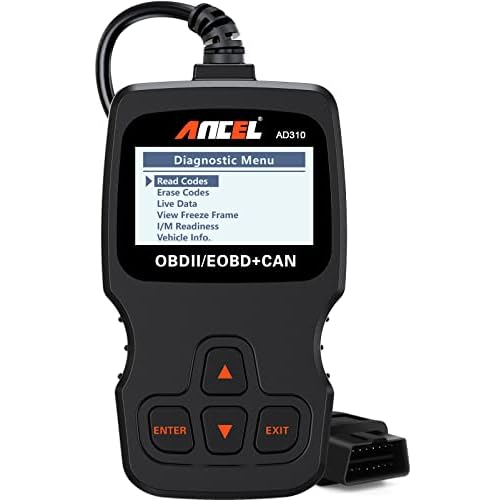
Once you pull the codes, write them down. Common Optima codes include:
- P0300–P0304: Cylinder misfire (random or cylinder-specific)
- P1326: Knock Sensor Detection System (Theta II recall)
- P0420: Catalytic converter efficiency
- P0131/P0141: Oxygen sensor heater circuit
- P0101: Mass airflow sensor range issue
- P0440/P0457: EVAP leak or loose gas cap
Next, inspect basic items. Check your gas cap seal, engine oil level (critical for GDI engines, low oil can trigger knock codes), and air filter condition. Look for obvious vacuum leaks, damaged hoses, or disconnected sensors under the hood. If the light is flashing, do not drive, tow the vehicle to avoid catalyst damage.
For intermittent codes, monitor live data with a scan tool that supports graphing. Watch short-term and long-term fuel trim, O2 sensor voltage, MAF sensor readings, and coolant temperature. Freeze-frame data shows exact conditions when the code set, RPM, load, throttle position, and vehicle speed, which helps pinpoint the trigger.
If you see P1326 or engine knocking, visit a Kia dealer immediately. Your engine may be covered under the Theta II long-term warranty extension and recall programs. Dealers can verify VIN eligibility and perform software updates or engine replacement at no cost.
What to Do When the Light Comes On
If the light is solid, reduce aggressive driving and get the codes read within a few days. You can often drive normally, but ignoring the light for weeks risks secondary damage, like ruining a catalytic converter from an ongoing misfire.
If the light is flashing, pull over as soon as it’s safe. A flashing light means raw fuel is entering the exhaust and overheating the catalytic converter. Turn off the engine, let it cool, and arrange a tow. Continuing to drive can cause converter failure and engine damage totaling thousands in repairs.
“Flashing CEL on my 2016 Optima 2.4, drove it two miles and melted the cat. $1,400 repair. Should’ve stopped immediately.” via r/kia
Check your oil level immediately. Theta II engines are known for high oil consumption: running low on oil can trigger knock sensor codes and cause catastrophic bearing failure. Top off if needed, then monitor consumption over the next 500 miles. If you’re burning more than a quart per 1,000 miles, you may qualify for recall coverage.
Write down any symptoms: rough idle, hesitation, loss of power, unusual noises, or smell of fuel. These clues help narrow down the root cause when you read the codes.
How to Reset the Check Engine Light on a Kia Optima
The safest method is to use an OBD-II scanner with a clear-codes function. This method preserves readiness monitors and doesn’t risk losing radio presets or ECU adaptations. After fixing the issue, clear the code and drive through 2–3 complete drive cycles (cold start, city driving, highway cruising) to confirm the repair.
You can also disconnect the battery to reset the ECU. Loosen the negative terminal, wait 15 minutes, then reconnect. This clears all codes and resets fuel trims, but it also erases radio stations, clock settings, and learned idle parameters. The engine may idle rough for the first few starts while the ECU relearns.
Do not reset the light without fixing the problem. The code will return, often within minutes or a few drive cycles. Some states require readiness monitors to be complete before emissions testing, clearing codes sets all monitors to “not ready,” and you’ll fail inspection until you drive 50–100 miles.
If the light returns immediately after clearing, the fault is active and ongoing. Recheck your repair, verify sensor connections, and ensure you installed parts correctly. Persistent codes may indicate a deeper issue that needs professional diagnosis.
Repair Costs for Common Check Engine Light Problems
| Problem | DIY Cost | Shop Cost |
|---|---|---|
| Gas cap replacement | $15–$25 | $30–$50 |
| Oxygen sensor | $50–$120 | $150–$300 |
| Spark plugs (set of 4) | $30–$60 | $120–$200 |
| Ignition coil (single) | $40–$80 | $150–$250 |
| MAF sensor | $80–$150 | $200–$350 |
| Catalytic converter | $400–$800 | $1,200–$2,500 |
| EVAP canister vent valve | $40–$90 | $150–$280 |
Labor rates vary by region, expect $100–$150 per hour at independent shops and $130–$180 at Kia dealers. Catalytic converter replacement is the most expensive fix: always address misfires and O2 sensor issues first to avoid damaging a healthy cat.
For Theta II engine recall work (P1326, knocking, oil consumption), Kia covers repairs under warranty extension, up to 10 years/150,000 miles from original sale date. If your engine qualifies, replacement is free. Check your VIN at Kia’s recall site or call your dealer.
When to See a Mechanic vs. DIY Fixes
DIY-friendly fixes include gas cap replacement, spark plug changes, ignition coil swaps, and cleaning the MAF sensor. If you’re comfortable using hand tools and an OBD-II scanner, these jobs take 30 minutes to 2 hours and save hundreds in labor.
See a mechanic for catalytic converter replacement, engine internal repairs, complex EVAP system leaks, or any flashing check engine light. Professional scan tools access live data, bi-directional controls, and manufacturer-specific codes that basic readers miss. Mechanics can also perform smoke tests to find EVAP leaks and scope ignition waveforms to diagnose coil failures.
If you see code P1326 or hear engine knocking, go to a Kia dealer. Independent shops can’t access Kia’s recall databases or submit warranty claims. Dealers have updated software calibrations, TSBs, and direct lines to Kia engineering for Theta II engine issues.
For hybrid Optimas, battery cooling fan faults, high-voltage system errors, and hybrid control module codes require specialized training and insulated tools. Don’t attempt hybrid electrical repairs unless you’re certified, high-voltage components can be lethal.
Expert Note: According to ASE-certified diagnostics data, 60% of check engine lights on 2011–2018 Kia Optimas trace back to ignition system wear (spark plugs and coils) or oxygen sensor degradation. Regular maintenance every 30,000 miles, including plug replacement and sensor inspection, prevents 70% of common CEL triggers and protects the catalytic converter from secondary damage caused by misfires.
Frequently Asked Questions
What does the check engine light mean on a Kia Optima?
The Kia Optima check engine light indicates the Engine Control Unit (ECU) has detected a fault in the engine, emissions, or powertrain. A solid light means a problem exists but isn’t immediately urgent; a flashing light signals an active misfire that can damage the catalytic converter within minutes and requires immediate attention.
What are the most common causes of a Kia Optima check engine light?
Common causes include faulty oxygen sensors (P0131, P0141), loose gas caps (P0440, P0457), catalytic converter issues (P0420), mass airflow sensor malfunctions (P0101), worn spark plugs, defective ignition coils, and EVAP system leaks. Theta II engines (2011–2019) may trigger P1326 knock sensor codes related to recalls.
How do I read diagnostic trouble codes on my Kia Optima check engine light?
Use an OBD-II scanner—available for under $30—to read codes. Plug it into the diagnostic port under the steering wheel, write down codes like P0300, P0420, or P1326, then address the specific issue. Bluetooth adapters paired with apps like Torque offer additional features like freeze-frame data and live graphing for deeper diagnosis.
Is a flashing Kia Optima check engine light safe to drive with?
No. A flashing check engine light signals an active misfire that overheats and damages the catalytic converter within minutes. Pull over safely, turn off the engine, and arrange a tow immediately. Driving even a short distance can result in a $1,200–$2,500 catalyst replacement and engine damage.
Can a loose gas cap trigger the check engine light on a Kia Optima?
Yes, a loose, cracked, or missing gas cap is one of the easiest fixes. It triggers EVAP system codes (P0440, P0457) with no performance symptoms. After refueling, ensure the cap clicks at least three times, inspect the rubber gasket, and drive 20–50 miles for the ECU to clear the code.
How much does it cost to fix a Kia Optima check engine light?
Costs range from $15–$25 for a gas cap to $1,200–$2,500 for catalytic converter replacement. Oxygen sensors cost $150–$300 at a shop, spark plugs $120–$200, and ignition coils $150–$250. Theta II engine recalls (P1326) are covered under warranty up to 10 years/150,000 miles at no cost.
Read More:
- Kia Check Engine Light (Complete Troubleshooting Guide)
- Kia Sorento Check Engine Light (Here’s the Causes & How to Fix It)
- Kia Forte Check Engine Light (Here’s the Complete Diagnostic Guide)
- Kia Telluride Check Engine Light (Means and Fast Diagnostic Guide)
- Kia K5 Check Engine Light (Quick Fixes & Diagnostic Steps)