
You glance down at your Kia Niro’s instrument cluster and there it is, an amber check engine light glowing back at you. Whether you’re driving a Hybrid, PHEV, or EV variant, that warning can trigger immediate concern about expensive hybrid repairs.
The Kia Niro check engine light signals that your vehicle’s onboard computer has detected a fault in the engine, emissions, or hybrid powertrain system, ranging from a simple loose gas cap to oxygen sensor failures, catalytic converter inefficiency, or mass airflow sensor faults. Hybrid variants may also trigger codes related to the 12V auxiliary battery, dual-clutch transmission (DCT), or engine clutch actuator, requiring an OBD-II scanner to read specific fault codes like P0300, P0456, P0420, or P1B70 for accurate diagnosis.
Understanding your Niro’s hybrid architecture, where a 1.6L Kappa GDI engine works alongside electric motors and a DCT transmission, is crucial for proper troubleshooting. This guide walks you through diagnostic steps, common fault codes, reset procedures, and when to seek professional help versus tackling repairs yourself.
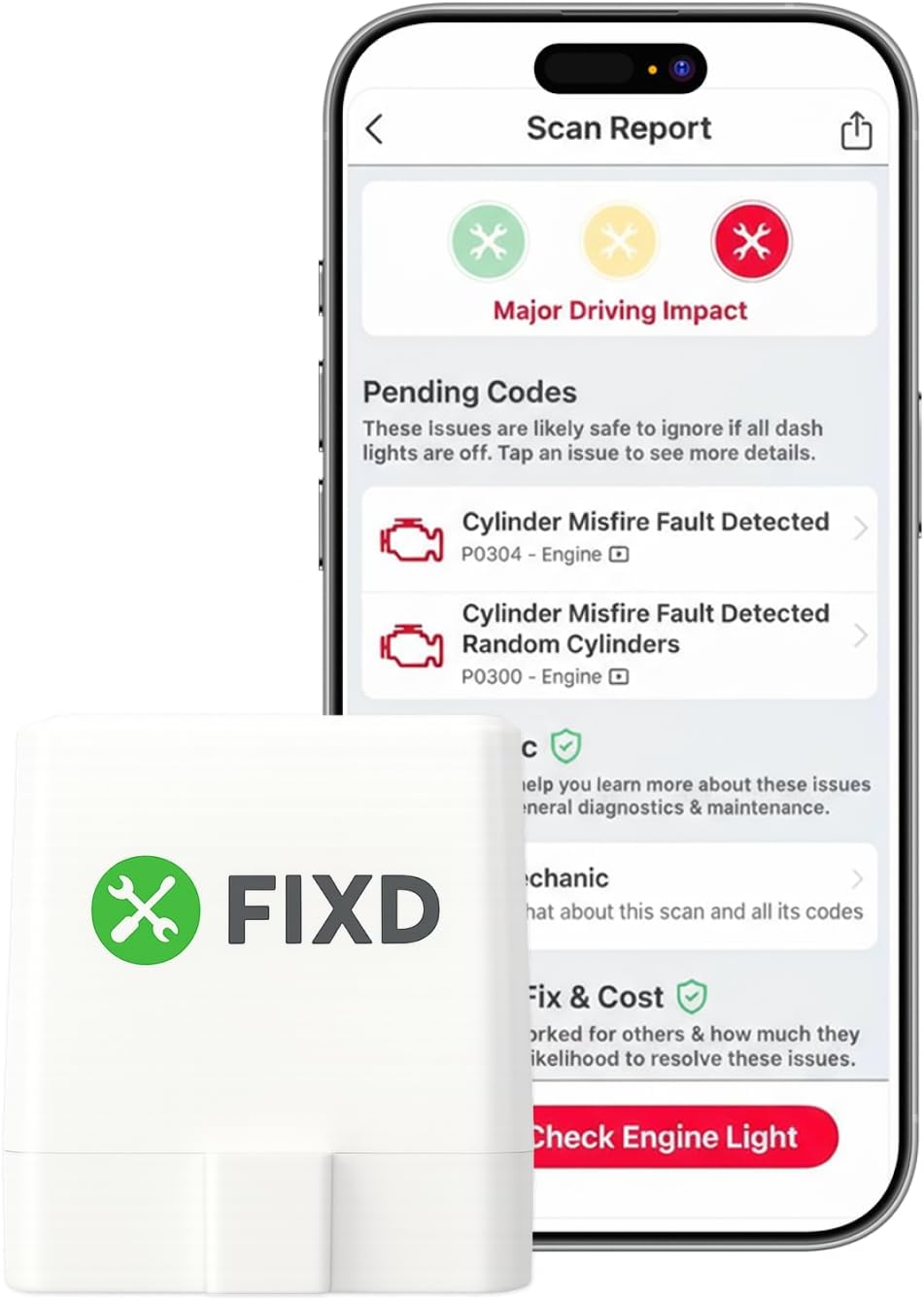
Best Bluetooth OBD2 Scanner
Detect 39,000+ Issues With Enhanced Codes. Save $1000s on car repairs & buying used vehicles by diagnosing problems yourself.
Shop on Amazon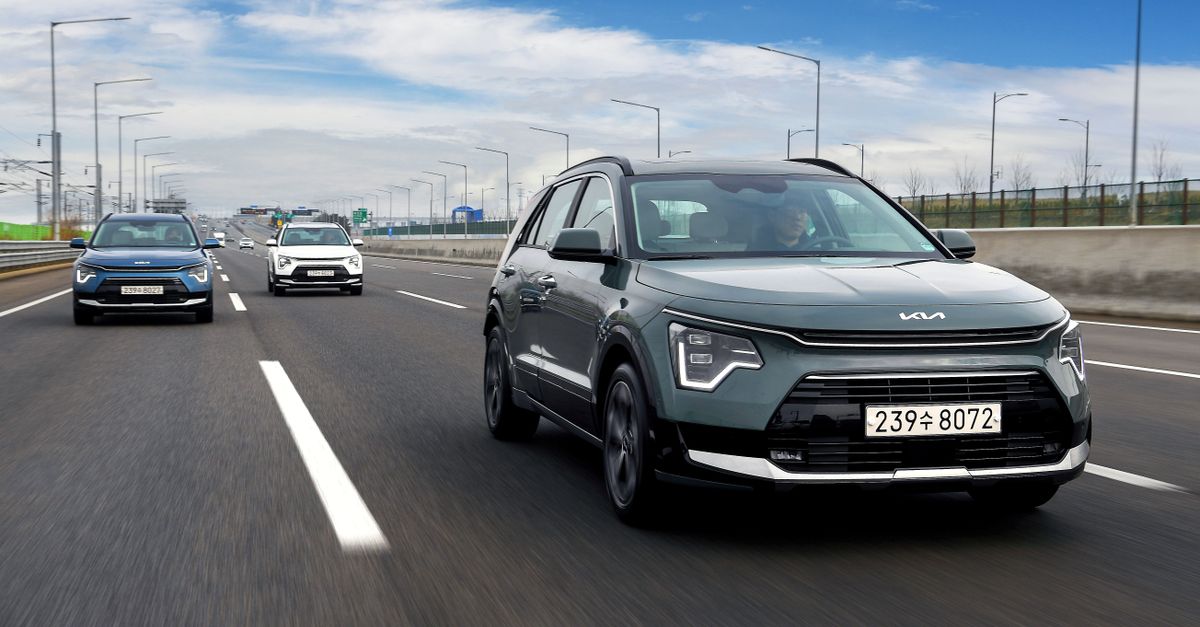
Key Takeaways
- A Kia Niro check engine light indicates faults in the engine, emissions, or hybrid powertrain detected by the onboard computer, ranging from a loose gas cap to oxygen sensor or catalytic converter issues.
- The most common causes of a Kia Niro check engine light are faulty oxygen sensors, loose gas caps, catalytic converter inefficiency, and mass airflow sensor contamination—each requiring different diagnostic approaches.
- Use an OBD-II scanner to read specific fault codes, with hybrid-specific codes (P1xxx series) potentially requiring dealer-level equipment for accurate diagnosis.
- DIY repairs like gas cap and air filter replacement are safe for most owners, but catalytic converter replacement, DCT transmission service, and oxygen sensor work should be handled by certified hybrid technicians due to high-voltage system risks.
- Preventive maintenance including 12V battery checks every 7,500 miles, proper fuel quality, and annual gas cap inspection can significantly reduce check engine light occurrences and costly repairs.
- Reset the check engine light using an OBD-II scanner only after confirming the underlying fault is repaired, and allow 20-50 miles of driving to verify the issue no longer triggers.
What Does the Kia Niro Check Engine Light Indicate?
The check engine light in your Kia Niro serves as your powertrain’s primary warning system. When the engine control unit (ECU) detects parameters outside normal operating ranges, it logs a diagnostic trouble code (DTC) and illuminates the dashboard warning.
A solid amber light indicates a non-critical issue that requires attention soon, things like a failing oxygen sensor or EVAP system leak. You can continue driving but should schedule diagnostics within a few days. A flashing check engine light signals active misfires or severe catalyst damage that can cause permanent powertrain harm. Pull over safely and call for service immediately.
Your Niro’s hybrid system adds complexity. The 12V auxiliary battery powers the ECU and hybrid control systems. When this battery weakens, it can trigger false check engine warnings even though the high-voltage traction battery remains healthy. Similarly, the dual-clutch transmission (DCT) that bridges gas and electric power can generate unique codes like P1B70 for engine clutch actuator fluid issues.
Common Causes of Check Engine Light in Kia Niro
Faulty Oxygen Sensor
Oxygen sensors monitor exhaust gas composition to optimize fuel trim and emissions. The Niro uses upstream (pre-catalytic converter) and downstream sensors. Sensor degradation is the most frequent cause of check engine lights across all Niro variants.
Codes P0130, P0133, P0136, and P0140 point to O2 sensor circuit issues. Symptoms include rough idle, reduced fuel economy, and hesitation during acceleration. The Denso oxygen sensors used in Niros typically last 60,000-100,000 miles before response time degrades.
Replacement requires accessing sensors beneath the vehicle. Upstream sensors thread into the exhaust manifold: downstream sensors sit after the catalytic converter. You’ll need a 22mm oxygen sensor socket and anti-seize compound for installation.
Loose or Damaged Gas Cap
A loose, cracked, or missing gas cap creates an EVAP system leak. Your Niro’s evaporative emission control system maintains fuel vapor pressure. Any breach triggers code P0456 (small EVAP leak) or P0457 (loose gas cap).
This is the easiest fix and should be your first check. Remove the cap, inspect the rubber seal for cracks or debris, and reinstall it until you hear three clicks. The light may remain on for several drive cycles, typically 20-50 miles, before the ECU clears the code automatically.
“Had a check engine light for two weeks on my 2023 Niro PHEV. Dealer wanted $120 for diagnostics. Turned out the gas cap wasn’t clicking properly, $15 replacement from Amazon fixed it.” via r/KiaNiro
Catalytic Converter Issues
The catalytic converter reduces harmful emissions by converting carbon monoxide, hydrocarbons, and nitrogen oxides into safer compounds. Code P0420 indicates catalyst efficiency below threshold, the downstream O2 sensor shows insufficient activity compared to upstream readings.
Hybrid vehicles like the Niro run cooler than conventional cars because the gas engine shuts off frequently. This can accelerate catalyst contamination from incomplete combustion. According to EPA data, hybrid catalytic converters face unique thermal cycling stress.
Before replacing the converter (a $800-1,500 job), verify upstream O2 sensors function correctly. Failed sensors can mimic catalyst inefficiency. Also check for exhaust leaks between the manifold and converter that allow unmetered air to skew sensor readings.
Mass Airflow Sensor Problems
The mass airflow (MAF) sensor measures incoming air volume so the ECU can calculate proper fuel injection. Codes P0101, P0102, and P0103 indicate MAF circuit range or performance issues.
Symptoms include poor acceleration, black exhaust smoke, and fuel economy drops. The MAF sits in the intake tube between the air filter and throttle body. Contamination from oil residue or dirty air filters causes most failures.
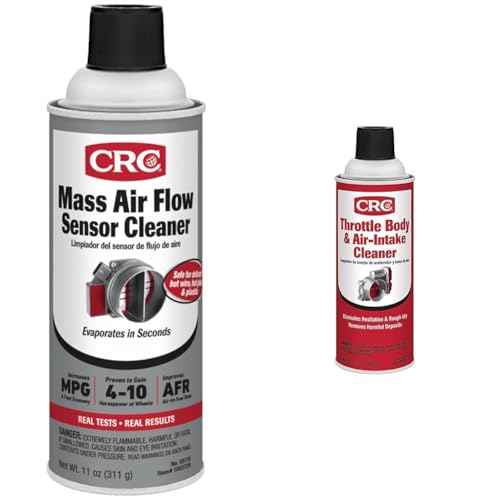
Clean the MAF sensor using CRC MAF Sensor Cleaner and a soft brush. Never touch the sensor wires, they’re extremely delicate. If cleaning doesn’t resolve the code, replacement runs $150-300 for OEM parts.
How to Diagnose Your Kia Niro Check Engine Light
Using an OBD-II Scanner to Read Trouble Codes
Diagnostics start with reading stored fault codes. Every Niro since 2017 includes an OBD-II port located beneath the steering column, just above the brake pedal. You’ll need a code reader compatible with hybrid vehicles.
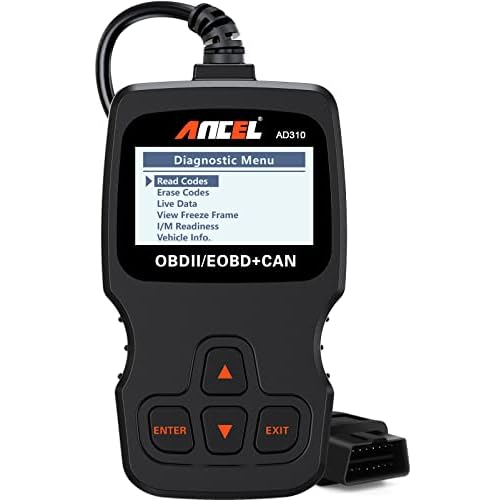
Budget scanners like the ANCEL AD310 read basic powertrain codes but may miss hybrid-specific DTCs. For comprehensive diagnostics, invest in a BlueDriver Bluetooth Scanner that accesses manufacturer-specific codes and live data streams.
Here’s your diagnostic workflow:
- Connect the scanner to the OBD-II port with the ignition off
- Turn ignition to ON (don’t start the engine)
- Select “Read Codes” and note all displayed DTCs
- Record freeze frame data showing conditions when the code set
- Clear codes only after repairs, then drive 20+ miles to verify the fix
Common Kia Niro Fault Codes:
| Code | System | Meaning | Typical Cause |
|---|---|---|---|
| P0300 | Ignition | Random misfire detected | Spark plugs, ignition coils, fuel injectors |
| P0420 | Emissions | Catalyst efficiency low | Catalytic converter, O2 sensors |
| P0456 | EVAP | Small leak detected | Gas cap, purge valve, hoses |
| P1B70 | Hybrid | Engine clutch actuator | DCT fluid, clutch solenoid |
| P0171 | Fuel | System too lean | MAF sensor, vacuum leaks |
| P0128 | Cooling | Coolant temp low | Thermostat stuck open |
Freeze frame data tells you vehicle speed, engine RPM, coolant temperature, and other parameters at the moment the code triggered. This context helps isolate intermittent faults that only occur under specific conditions.
When to Visit a Mechanic vs. DIY Fixes
Some check engine light fixes are straightforward DIY tasks. Others require specialized tools and hybrid system knowledge. Here’s how to decide:
Safe DIY Repairs:
- Gas cap replacement (P0456, P0457)
- Air filter replacement (P0101)
- Spark plug replacement on 1.6L Kappa engine (P0300-P0304)
- MAF sensor cleaning (P0101)
- 12V auxiliary battery replacement (various codes)
Professional Service Required:
- Catalytic converter replacement (P0420)
- High-voltage hybrid system codes (anything in P1xxx range)
- DCT transmission fluid service (P1B70)
- EVAP purge valve replacement (P0441)
- Oxygen sensor replacement below the vehicle (P0130-P0140)
The 1.6L Kappa GDI engine in Hybrid and PHEV Niros uses four individual ignition coils. When you see misfire codes (P0300-P0304), start by inspecting spark plugs. Remove the engine cover, disconnect coil connectors, and pull each coil using a twist-and-pull motion.
Check plug gaps (should be 0.039-0.043 inches) and look for carbon buildup, oil fouling, or electrode erosion. Replace plugs every 60,000 miles or when gaps exceed specifications. Use OEM-equivalent iridium plugs, cheaper copper plugs won’t last in a direct-injection hybrid application.
“Got a P0302 (cylinder 2 misfire) on my 2020 Niro Hybrid. Swapped the coil from cylinder 2 to cylinder 4. Code moved to P0304. Confirmed bad coil, replaced it myself for $45 instead of dealer’s $280 quote.” via Kia Niro EV Forum
If you lack mechanical experience or proper tools, hybrids present additional safety concerns. The high-voltage battery system operates at 270-360 volts and can deliver lethal current. Only certified hybrid technicians should access orange-jacketed cables or battery components.
How to Reset the Check Engine Light on Your Kia Niro
After addressing the underlying fault, you can reset the check engine light through three methods. Simply clearing codes without fixing the root cause will make the light return within 10-50 miles.
Method 1: OBD-II Scanner Reset (recommended)
Connect your scanner, select “Clear Codes” or “Erase DTCs,” then confirm. This immediately turns off the light and resets readiness monitors. You’ll need to complete a drive cycle (typically 50-100 miles of mixed driving) before the vehicle passes emissions testing.
Method 2: Battery Disconnect
Disconnect the negative terminal on your 12V auxiliary battery for 15 minutes. This clears all ECU memory, including radio presets and adaptive learning. Not recommended for modern hybrids due to potential hybrid system relearning issues.
Method 3: Drive Cycle Completion
If you fixed the problem but didn’t clear codes, driving 20-50 miles with three complete warm-up cycles (cold start to full operating temperature) will often extinguish the light automatically as the ECU confirms the fault no longer appears.
Kia’s official service documentation recommends verifying repairs before clearing codes. After reset, monitor the system during your next several trips. If the light returns immediately, you’ve got an active fault requiring further diagnosis.
Preventing Future Check Engine Light Issues
Proactive maintenance keeps your Niro’s hybrid powertrain running smoothly and minimizes surprise check engine warnings. Here’s your prevention checklist:
Every 7,500 Miles:
- Replace engine oil using 0W-20 synthetic (GDI engines are oil-sensitive)
- Inspect air filter: replace if dirty
- Check 12V auxiliary battery voltage (should read 12.4-12.8V key-off)
Every 30,000 Miles:
- Replace engine air filter
- Inspect spark plugs for wear
- Check DCT transmission fluid level and condition
Every 60,000 Miles:
- Replace spark plugs and ignition coils
- Service EVAP system (check purge valve operation)
- Replace fuel filter
Monitor Your 12V Battery
The auxiliary battery in hybrids experiences unique stress. Because the gas engine doesn’t run constantly, the alternator charging pattern differs from conventional vehicles. Weak 12V batteries cause erratic ECU behavior and false codes.
Test battery voltage before starting (should be 12.4V+) and during operation (13.8-14.4V). Replace batteries proactively every 4-5 years. Use an AGM battery designed for hybrid start-stop systems, standard flooded batteries won’t handle the cycling.
Keep Your Gas Cap Tight
Always tighten until you hear three distinct clicks. Inspect the rubber seal annually for cracks or hardening. Replacement caps cost $15-25 and prevent the most common EVAP codes.
Use Quality Fuel
The 1.6L GDI engine runs high compression and benefits from Top Tier gasoline with enhanced detergents. Carbon buildup on intake valves can trigger lean codes and misfires. Top Tier retailers include Shell, Chevron, Costco, and others.
Cost of Repairing Common Kia Niro Check Engine Light Problems
Repair costs vary significantly based on the fault code and whether you choose independent service or dealership work. Here’s what to expect for common Niro check engine light issues:
Diagnostic Fee: Independent shops charge $80-120 for code reading and initial diagnosis. Many parts retailers offer free code scanning, though they can’t provide detailed interpretation.
Gas Cap: $15-35 for aftermarket, $25-45 for OEM
Oxygen Sensors: $120-280 parts + $80-150 labor per sensor (plan on $200-430 total)
Mass Airflow Sensor: $150-300 parts + $50-80 labor ($200-380 total)
Spark Plugs & Ignition Coils: $60-100 for four plugs + $150-240 for four coils + $120-200 labor ($330-540 for complete tune-up)
Catalytic Converter: $800-1,500 for aftermarket, $1,200-2,200 for OEM + $200-400 labor
EVAP Purge Valve: $80-150 parts + $60-120 labor
12V Auxiliary Battery: $150-250 for AGM hybrid battery + $0-50 installation (easy DIY)
Independent shops typically charge 30-40% less than dealerships for identical repairs. But, hybrid-specific codes (P1xxx series) may require dealer-level diagnostic equipment and training.
Many check engine light issues fall under Kia’s 5-year/60,000-mile powertrain warranty. Emissions components carry an 8-year/80,000-mile federal warranty. Review your coverage before authorizing repairs, you may qualify for free service.
Frequently Asked Questions
What does the check engine light mean on a Kia Niro?
The check engine light indicates your Niro’s engine control unit detected a fault in the engine, emissions, or hybrid powertrain system. A solid amber light means non-critical issues like a loose gas cap or failing oxygen sensor requiring attention soon. A flashing light signals active misfires or severe catalyst damage requiring immediate service.
What are the most common causes of check engine light in a Kia Niro?
Common causes include faulty oxygen sensors, loose or damaged gas caps triggering EVAP leaks, catalytic converter inefficiency, mass airflow sensor contamination, and hybrid-specific issues like weak 12V auxiliary batteries or DCT transmission problems. Oxygen sensor degradation is the most frequent cause across all Niro variants.
How do I read Kia Niro check engine light codes myself?
Use an OBD-II scanner compatible with hybrid vehicles. Connect it to the OBD-II port located beneath the steering column above the brake pedal. Select ‘Read Codes’ to display fault codes like P0300, P0420, or P1B70. Budget scanners show basic codes; invest in a BlueDriver scanner for comprehensive hybrid-specific diagnostics.
Can I fix a Kia Niro check engine light issue myself, or do I need a mechanic?
Simple DIY fixes include gas cap replacement, air filter changes, spark plug replacement, and MAF sensor cleaning. Avoid DIY repairs on catalytic converters, oxygen sensors beneath the vehicle, high-voltage hybrid codes (P1xxx), and DCT transmission work. Hybrids present safety risks; only certified technicians should handle high-voltage systems.
How much does it cost to fix a Kia Niro check engine light?
Costs vary widely: gas cap ($15–45), oxygen sensors ($200–430 including labor), MAF sensor ($200–380), spark plugs and coils ($330–540), and catalytic converters ($1,000–2,600). Independent shops charge 30–40% less than dealerships. Emissions components may qualify for Kia’s 8-year/80,000-mile federal warranty coverage.
Why does a Kia Niro hybrid have unique check engine light issues?
Kia Niro hybrids use a 12V auxiliary battery powering the ECU and hybrid systems, which can trigger false warnings when weak. The dual-clutch transmission generates unique codes like P1B70 for clutch actuator issues. Hybrid catalytic converters face thermal cycling stress, and the alternator charges differently than conventional vehicles, affecting system stability.
Read More:
- Kia Check Engine Light (Complete Troubleshooting Guide)
- Kia Telluride Check Engine Light (Means and Fast Diagnostic Guide)
- Kia Forte Check Engine Light (Here’s the Complete Diagnostic Guide)
- Kia K5 Check Engine Light (Quick Fixes & Diagnostic Steps)
- Kia Optima Check Engine Light (Means and How to Diagnose)