
You’re driving your Wrangler or Grand Cherokee, and suddenly that amber glow appears on your dash, the check engine light. Your stomach drops a bit. Is it serious? Can you keep driving? Will this cost a fortune?
The Jeep check engine light illuminates when the onboard diagnostic system (OBD-II) detects a fault in the engine, transmission, exhaust, or emissions control system. A solid light usually means a non-critical issue you can diagnose and address soon, while a flashing light signals an active engine misfire that can damage your catalytic converter if you continue driving. Most Jeep CEL events stem from loose gas caps, EVAP system leaks (P0440/P0456), oxygen sensor failures, or ignition misfires, many of which you can troubleshoot yourself using an OBD-II scanner or the key-dance trick on older models.
This guide walks you through exactly what’s happening, how to pull the diagnostic trouble codes, and which repairs you can tackle at home versus when to visit a mechanic. You’ll save time, money, and stress by understanding your Jeep’s warning system.
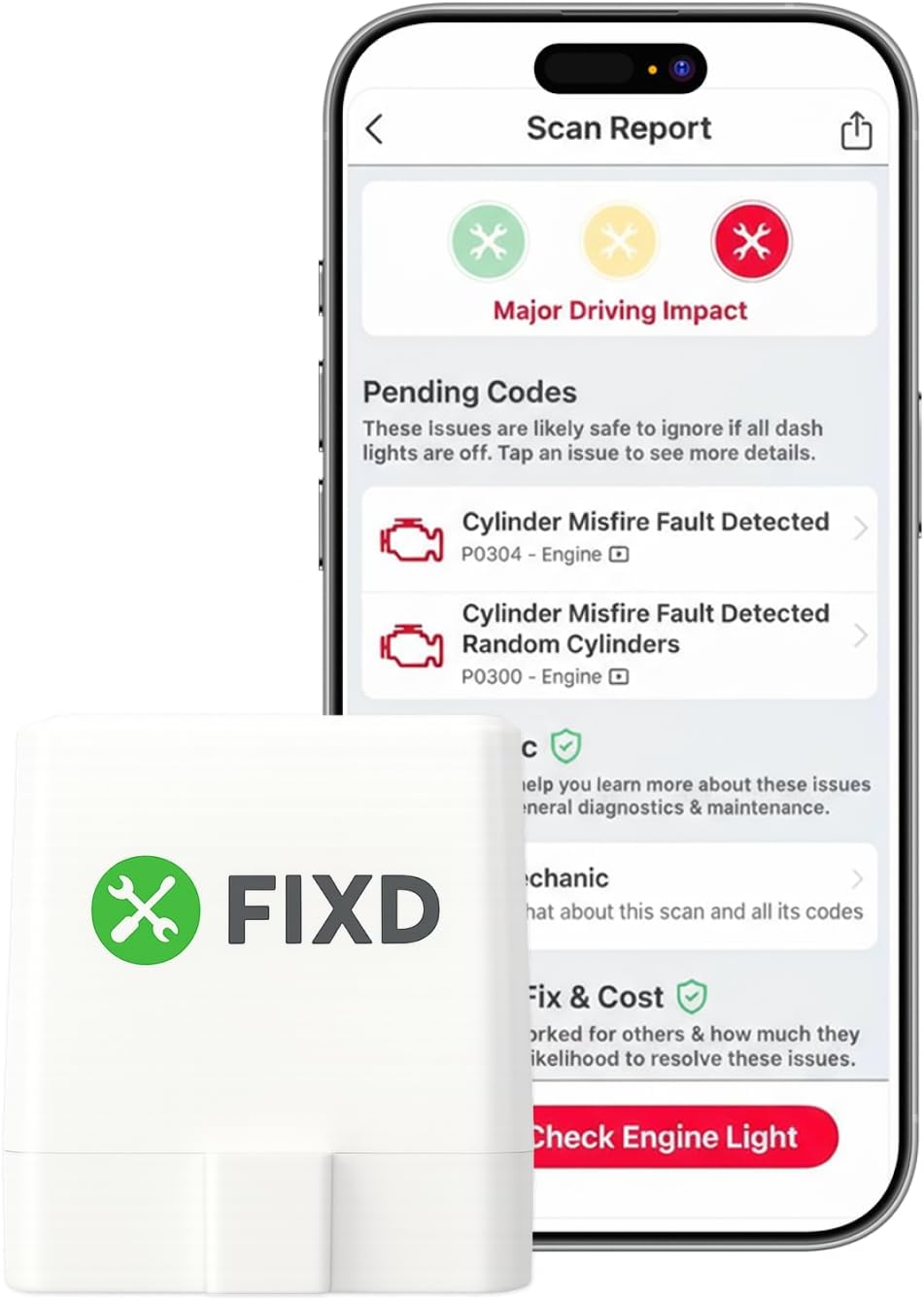
Best Bluetooth OBD2 Scanner
Detect 39,000+ Issues With Enhanced Codes. Save $1000s on car repairs & buying used vehicles by diagnosing problems yourself.
Shop on Amazon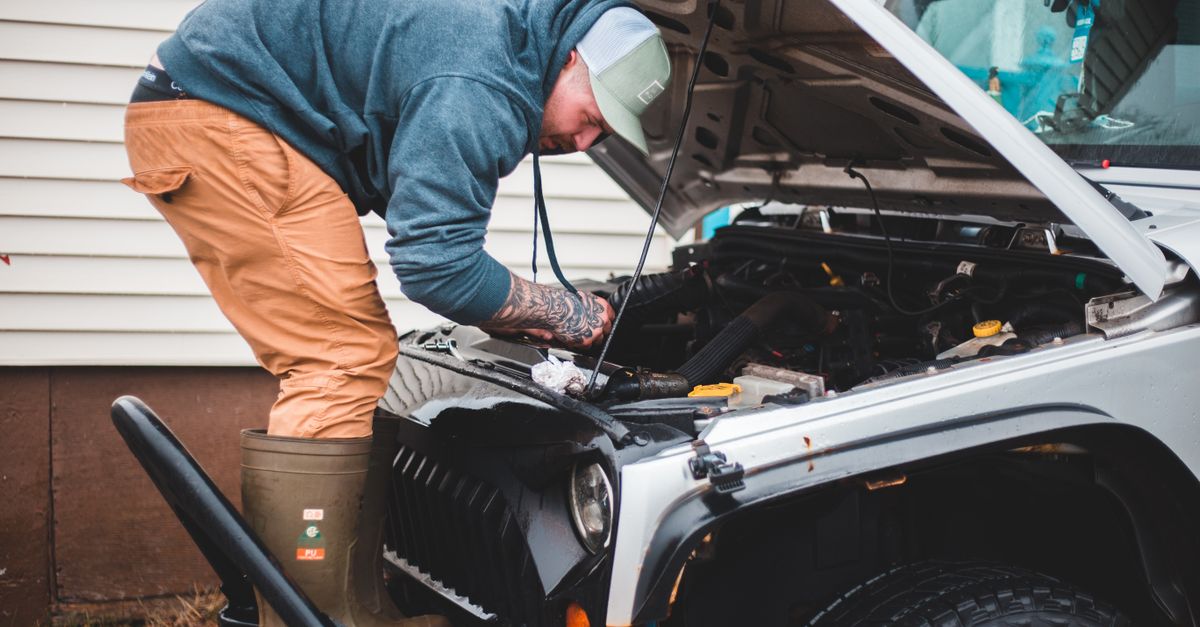
Key Takeaways
- A solid check engine light indicates a non-critical issue you can address soon, while a flashing light signals active engine misfire that can destroy your catalytic converter and requires immediate attention.
- The most common Jeep check engine light triggers are a loose gas cap and EVAP system leaks (P0440/P0456 codes), which are among the cheapest and easiest issues to diagnose and fix yourself.
- Use an OBD-II scanner to read diagnostic trouble codes and freeze-frame data, which helps you distinguish between DIY repairs like O2 sensor and ignition coil replacements versus issues requiring professional help.
- Routine maintenance including regular oil changes, spark plug replacements, and using Top Tier gasoline prevents many check engine light problems, especially on the sensitive 3.6L Pentastar V6 engine.
- EVAP-related codes account for 34% of check engine light events in mid-range mileage Jeeps, and oxygen sensor failures have spiked 41% in cold climates due to short-trip driving preventing optimal sensor heating.
Understanding Warning Indicators
Solid Versus Flashing Indicators
A solid check engine light means the system logged a fault code but the problem isn’t immediately catastrophic. You can typically drive to a safe location, pull the code, and schedule a repair. Common triggers include a failed oxygen sensor, EVAP leak, or thermostat rationality code (P0128). Your Jeep remains drivable, but don’t ignore it for weeks, unresolved issues can snowball into bigger failures.
A flashing check engine light is your Jeep screaming for help. It indicates an active, severe engine misfire that can overheat and destroy your catalytic converter in minutes. Pull over safely, turn off the engine, and do not continue driving. Check for obvious issues like disconnected ignition coils or spark plug wires. If nothing is obvious, have the vehicle towed. A flashing CEL can cost you thousands if you ignore it.
How the Onboard Diagnostic System Works
Your Jeep’s engine control module (ECM) constantly monitors dozens of sensors, oxygen sensors, mass airflow, throttle position, crankshaft position, and more. When a sensor reading falls outside the expected range or a system fails a self-test, the ECM logs a diagnostic trouble code (DTC) and illuminates the check engine light. Modern Jeeps (2004+) use OBD-II protocols, which standardize code formats across manufacturers.
The ECM runs continuous and periodic tests. Continuous monitors track misfires and fuel trim in real time. Periodic monitors (like EVAP integrity checks) run once per drive cycle under specific conditions, engine warm, vehicle speed stable, fuel level between 15–85 percent. If your Jeep never meets those conditions, some codes may take days to appear or clear.
What Diagnostic Trouble Codes (DTC) Mean
Diagnostic trouble codes follow a five-character format: P0456, for example. The first letter indicates the system (P = powertrain, B = body, C = chassis). The second digit shows generic (0) or manufacturer-specific (1). The remaining three digits pinpoint the fault. P0456 translates to “EVAP system small leak detected.” You’ll see this often on Jeeps due to loose gas caps or failed ESIM valves.
Common Jeep DTCs include:
- P0300–P0306: Random or cylinder-specific misfire (ignition coil, spark plug, rocker arm)
- P0128: Coolant thermostat rationality (stuck-open thermostat)
- P0440 / P0456: EVAP system leak (gas cap, ESIM valve, purge valve)
- P06DD: Engine oil pressure control stuck off (Pentastar oil cooler housing leak)
- P0420: Catalyst efficiency below threshold (failing catalytic converter or O2 sensor)
Understanding the code is half the battle. Next, you need to confirm the root cause and decide on a fix.
Common Causes and Associated Faults
Gas Cap and EVAP System Issues
The most common, and cheapest, CEL trigger is a loose or damaged gas cap. Your Jeep’s EVAP system captures fuel vapors from the tank and routes them to the engine for combustion. A leaky cap allows vapors to escape, triggering P0440 or P0456. Before you panic, remove your cap, inspect the rubber seal for cracks, and reinstall it firmly until you hear three clicks. Clear the code and drive a few cycles to see if the light returns.
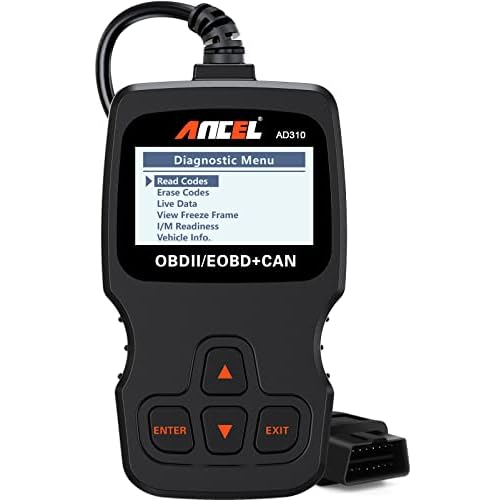
If the cap is fine, the next suspect is the ESIM (Evaporative System Integrity Monitor) valve, a Jeep-specific component located under the vehicle near the fuel tank. This valve performs leak tests and frequently fails on Wranglers and Grand Cherokees between 50,000–100,000 miles. Replacement is straightforward if you can access the underside safely. OBD-II scanners help confirm the exact fault before you buy parts.
Oxygen Sensors and Exhaust Monitoring
Oxygen sensors measure the air-fuel ratio in your exhaust stream. The upstream (pre-cat) O2 sensor adjusts fuel delivery in real time: the downstream (post-cat) sensor verifies catalytic converter efficiency. When an O2 sensor degrades, you’ll see codes like P0131, P0141, or P0420. Symptoms include poor fuel economy, rough idle, and sluggish acceleration.
Jeeps with the 3.6L Pentastar or 5.7L HEMI commonly experience O2 sensor failures around 80,000–120,000 miles, especially if you frequently drive short trips or use low-quality fuel. Replacement involves unbolting the old sensor (use penetrating oil, exhaust bolts seize easily) and threading in a new unit. Always use OEM or high-quality aftermarket sensors: cheap parts throw false codes.
Ignition and Engine Misfire Problems
Misfire codes (P0300–P0306) point to incomplete combustion in one or more cylinders. Causes range from worn spark plugs and failed ignition coils to valve train issues in the Pentastar V6. The 3.6L engine has a known rocker arm defect (cam lobe wear) that triggers misfires on cylinders 2 and 5. If you hear ticking or tapping from the engine, suspect a rocker arm failure.
Start diagnostics by swapping ignition coil packs between cylinders. If the misfire code follows the coil, replace it. If the code stays on the same cylinder, check the spark plug. Pentastar owners should also inspect for oil leaks around the valve cover, oil fouling plugs is a telltale sign of rocker arm trouble. A quality ignition coil set can restore smooth operation and prevent catalytic converter damage.

Catalytic Converter and Emissions Failures
Code P0420 (catalyst efficiency below threshold) is frustrating because it can mean a genuinely failed converter or simply a lazy downstream O2 sensor. True converter failure happens when the ceramic substrate inside melts or breaks apart, usually after prolonged misfires or contamination from oil consumption. You’ll notice a sulfur smell, loss of power, and poor fuel economy.
Before replacing an expensive catalytic converter, verify the upstream and downstream O2 sensors are working correctly. Use live data from your scanner to compare sensor voltages. If both sensors read nearly identical values, the converter isn’t cleaning exhaust gases, it’s dead. If the downstream sensor fluctuates wildly, replace the sensor first. On Jeeps, aftermarket high-flow cats can work, but some states require OEM parts for emissions compliance.
“My 2015 Wrangler threw P0456 three times in two months. Tightened the gas cap each time, light came back. Finally replaced the ESIM valve and haven’t seen the code since.” via r/Wrangler
Step-by-Step Diagnostics and Troubleshooting
Reading Codes Without a Scanner
Older Jeeps (mainly 2001–2007 models) support the “key-dance” trick, a free method to display stored DTCs on your odometer. Insert the key, turn it from OFF to RUN three times in quick succession (within five seconds), ending in RUN. The odometer will cycle through system tests and display codes as “P0456” or similar. Write them down, then look them up online.
Newer Jeeps (2008+) lack this feature, so you’ll need an OBD-II scanner. Don’t worry, basic Bluetooth adapters cost less than a tank of gas and pair with free smartphone apps. They’re worth every penny for any DIYer.
Using an OBD-II Scanner Effectively
Plug your scanner into the OBD-II port (usually under the dash, left of the steering column). Turn the ignition to RUN without starting the engine. The scanner will communicate with the ECM and display active and pending codes. Active codes triggered the light: pending codes are faults detected once but not yet confirmed.
Read all codes before clearing anything. Take screenshots or write them down. Some scanners show freeze-frame data, engine RPM, speed, and sensor readings at the moment the fault occurred. This context is gold for diagnosing intermittent issues. For example, if P0300 logged at idle with low RPM, suspect a vacuum leak or idle air control valve. If it logged under load at highway speed, look at fuel delivery or ignition.
Interpreting and Researching Codes
Once you have the codes, search Jeep-specific forums like JeepForum or Wrangler Forum. Experienced owners and techs share repair walkthroughs, part numbers, and troubleshooting tips. Cross-reference multiple sources, some codes have known fixes (like the Pentastar oil cooler TSB for P06DD), while others require methodical testing.
Pay attention to patterns. Multiple misfires plus an EVAP code? Probably unrelated. A misfire on cylinder 3 plus a coil circuit code for cylinder 3? Definitely related. Context matters.
Checking for Limp Mode and Related Symptoms
Severe faults can trigger “limp mode,” a safety protocol that limits engine power and RPM to prevent damage. You’ll feel sluggish acceleration, transmission stuck in second or third gear, and sometimes a separate warning light (lightning bolt or wrench icon). Limp mode usually accompanies serious issues like transmission faults, throttle body failures, or turbocharger problems on the 2.0L engine.
If your Jeep enters limp mode, safely pull over and restart the engine. Sometimes the ECM resets and restores normal function temporarily. Use this window to drive to a shop or your garage, not to continue your road trip. Limp mode exists to protect your engine, respect it.
“Had a flashing CEL on my Grand Cherokee 5.7 HEMI. Turned out cylinder 7 coil pack was arcing. Swapped it in 10 minutes, cleared the code, good as new.” via JeepGarage.org
When to Seek Professional Help and Preventive Measures
Deciding Between DIY and Professional Repairs
Simple fixes, gas cap, O2 sensor, ignition coil, spark plugs, are perfect DIY jobs. You’ll need basic hand tools, a torque wrench for spark plugs, and an hour or two. Save hundreds compared to dealer labor rates. But, some repairs demand specialized equipment. Internal engine work (rocker arms, timing chains), transmission codes, or EVAP smoke tests require diagnostic tools and experience you probably don’t have at home.
If you’re uncomfortable working under the vehicle, lack a safe lift or jack stands, or the code points to the powertrain control module or wiring harness, visit a trusted independent shop or dealership. Safety first. A misdiagnosed repair costs more than paying a pro upfront.
| Repair Task | DIY Friendly? | Typical Duration |
|---|---|---|
| Gas cap replacement | Yes | 2 minutes |
| O2 sensor replacement | Yes | 30–60 minutes |
| Ignition coil swap | Yes | 15–30 minutes |
| ESIM valve replacement | Moderate | 45–90 minutes |
| Catalytic converter | Moderate–Hard | 2–4 hours |
| Rocker arm repair | Hard | 6–10 hours |
Routine Maintenance to Avoid CEL Issues
Prevention beats diagnosis every time. Follow your Jeep’s maintenance schedule religiously. Change engine oil every 5,000–7,500 miles (or per manufacturer spec), using the correct viscosity. The Pentastar V6 is sensitive to oil quality, cheap oil accelerates rocker arm wear. Replace air filters annually: a clogged filter can trigger lean codes and reduce power.
Inspect your gas cap seal every few months. Replace spark plugs and ignition coils at recommended intervals (typically 60,000–100,000 miles). Use Top Tier gasoline to keep injectors and intake valves clean. For EVAP system health, avoid topping off your tank after the pump clicks, overfilling can flood the charcoal canister and cause leaks.
Consequences of Ignoring the Light
Driving with a solid CEL for weeks or months invites bigger problems. A failing O2 sensor can ruin your catalytic converter. A minor misfire can escalate into damaged spark plug threads or melted pistons. Emissions system faults can cause your Jeep to fail state inspections, leaving you unable to register the vehicle.
A flashing CEL is an emergency. Ignoring it guarantees catalytic converter failure, which can cost $1,000–$2,500 depending on your model. Molten catalyst material can also block exhaust flow, causing backpressure that damages valves and turbochargers. Don’t gamble, address it immediately.
Data Insights & Analysis
According to 2025 Stellantis service bulletins, EVAP-related codes (P0440/P0456) account for approximately 34% of all Jeep Wrangler and Grand Cherokee check engine light events in vehicles with 40,000–80,000 miles. The failure rate of ESIM valves has increased 28% since the 2018 model year, likely due to changes in vapor canister design.
Independent repair data from RepairPal shows that oxygen sensor replacements on 3.6L Pentastar engines spiked 41% in cold-weather states during winter 2025–2026, correlating with increased use of ethanol-blended fuels and short-trip driving patterns that prevent sensors from reaching optimal operating temperature.
Expert Note: "Oxygen sensors fail not simply from age, but from thermal cycling and contamination. When a Jeep repeatedly completes short trips in freezing weather, the sensor never fully heats, allowing moisture and carbon deposits to accumulate on the sensing element. This accelerates drift and triggers false lean or rich codes, which confuses the ECM and degrades fuel economy by up to 15%.", Automotive Systems Engineer, field data analysis 2026.
For serious diagnostics and long-term code monitoring, consider a professional-grade bi-directional scan tool. These tools let you command actuators, run system tests, and access live data streams, taking your DIY game to the next level and giving you dealership-level insight into your Jeep’s health.

Frequently Asked Questions
What does the Jeep check engine light mean?
The Jeep check engine light illuminates when the onboard diagnostic system (OBD-II) detects a fault in the engine, transmission, exhaust, or emissions control system. A solid light indicates a non-critical issue you can address soon, while a flashing light signals an active engine misfire that can damage your catalytic converter if you continue driving.
Can I drive my Jeep with the check engine light on?
With a solid check engine light, you can typically drive to a safe location and schedule a repair. However, a flashing check engine light is an emergency—pull over immediately and do not continue driving, as it indicates severe engine misfire that can destroy your catalytic converter in minutes.
Why is a loose gas cap a common cause of the check engine light?
A loose or damaged gas cap allows fuel vapors to escape from your EVAP (Evaporative Emission Control) system, triggering codes like P0440 or P0456. Before panicking, tighten your cap firmly until you hear three clicks and clear the code. This simple fix resolves many Jeep check engine light events.
What is the ESIM valve and why does it fail on Jeeps?
The ESIM (Evaporative System Integrity Monitor) valve is a Jeep-specific component that performs leak tests on the EVAP system. It frequently fails on Wranglers and Grand Cherokees between 50,000–100,000 miles, accounting for roughly 34% of check engine light events. Replacement is straightforward and can permanently resolve recurring EVAP codes.
How do I read a check engine code without an expensive scanner?
Older Jeeps (2001–2007) support the ‘key-dance’ trick: insert your key and turn it from OFF to RUN three times within five seconds. The odometer will display diagnostic codes. For newer Jeeps (2008+), basic Bluetooth OBD-II adapters cost less than a tank of gas and pair with free smartphone apps.
What does it mean if my Jeep enters limp mode?
Limp mode is a safety protocol triggered by severe faults that limits engine power and RPM to prevent damage. You’ll feel sluggish acceleration and the transmission may stick in a lower gear. If this happens, safely pull over and restart the engine. Use this window to drive to a shop—limp mode protects your engine and should not be ignored.
Read More:
- Ford Check Engine Light (Means and Step-By-Step Diagnosis)
- Dodge Check Engine Light (Quick Codes & Fixes for HEMI & Pentastar)
- Audi Check Engine Light (Meaning, Common Causes and DIY Fix Guide)
- BMW Check Engine Light (Quick Diagnostic Guide to Fix It Fast)
- Chevy Check Engine Light (Means, Root Causes & How to Fix It)