
You’ve invested in a Mazda CX-30 because of its refined cabin, spirited handling, and premium feel. But those unexpected jolts during acceleration or that annoying hesitation when shifting out of Park can quickly erode your confidence in your crossover.
The Mazda CX-30’s 6-speed SkyActiv-Drive automatic transmission can develop issues such as jerky gear changes at 15,000–25,000 km, delayed engagement from Park to Drive, slipping between gears, and harsh cold-weather shifts. These symptoms often stem from outdated Transmission Control Module (TCM) software, low or deteriorating transmission fluid, faulty oil pressure switches, or the adaptive shift memory requiring a reset. Diagnostic trouble codes like P0700 and P0730 typically appear when the Check Engine Light illuminates.
This guide walks you through the most common transmission complaints, explains the SkyActiv-Drive’s design quirks, and provides actionable diagnostic steps so you can approach your dealership or mechanic fully informed.
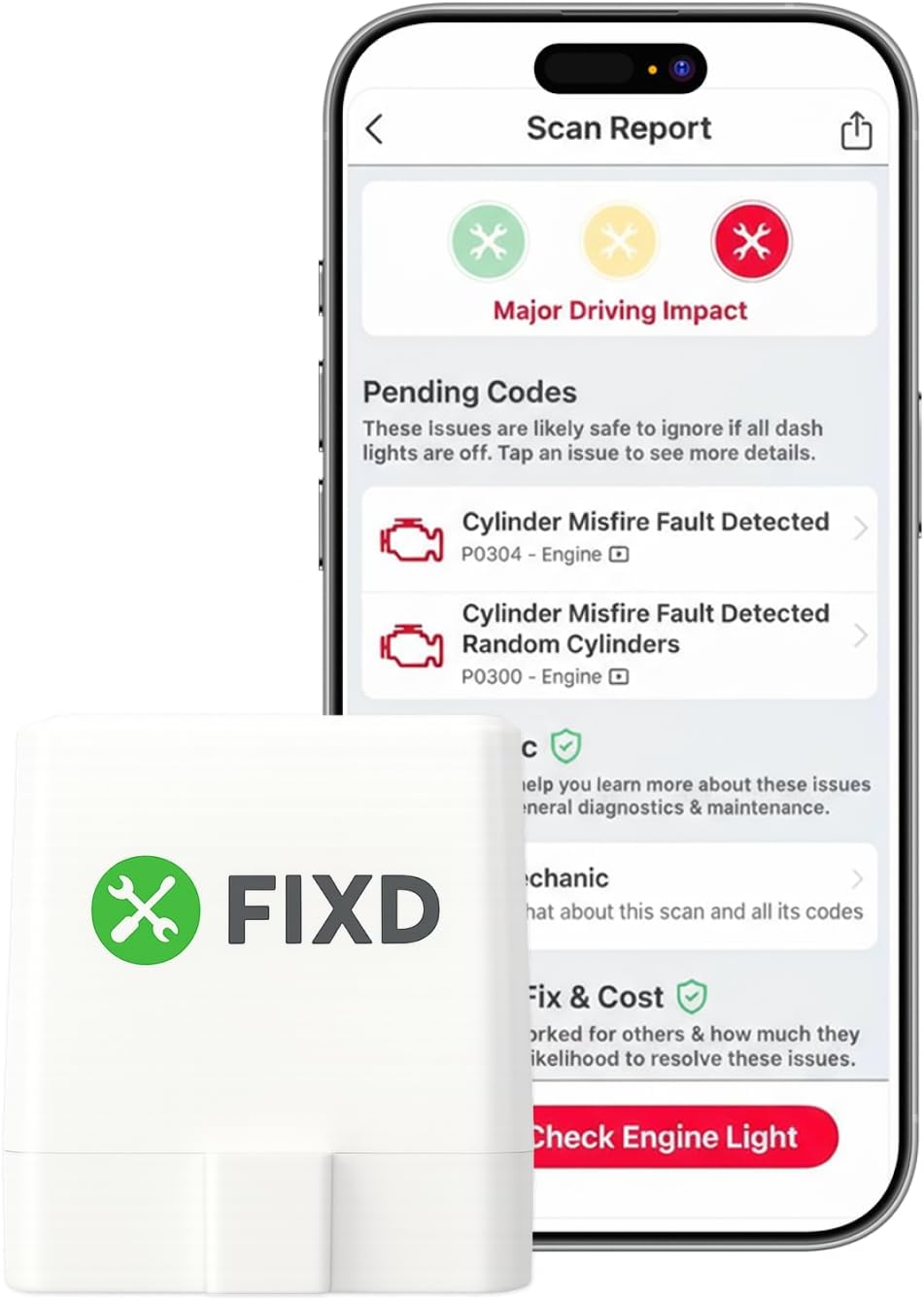
Best Bluetooth OBD2 Scanner
Detect 39,000+ Issues With Enhanced Codes. Save $1000s on car repairs & buying used vehicles by diagnosing problems yourself.
Shop on Amazon
Key Takeaways
- Mazda CX-30 transmission problems—including jerky shifts, delayed engagement, and slipping—are often resolved with a TCM software update rather than expensive mechanical repairs.
- Common issues stem from outdated Transmission Control Module calibrations, low fluid, faulty oil pressure switches, or adaptive shift memory requiring reset; diagnostic codes P0700 and P0730 help identify the root cause.
- Regular ATF fluid changes every 60,000 miles using Mazda ATF FZ, clearing adaptive memory annually, and inspecting for leaks are essential preventive maintenance steps to extend transmission lifespan.
- SkyActiv-Drive’s aggressive torque-converter lockup design prioritizes fuel economy but can feel abrupt without proper TCM calibration; a simple reset or software flash often eliminates jerky-shift complaints.
- Mazda’s powertrain warranty covers transmission issues for 5 years or 60,000 miles, making dealer service a no-cost option for documented problems within coverage.
Most Common Transmission Issues in the Mazda CX-30
Hesitation and Delayed Engagement
One of the earliest complaints CX-30 owners report is a noticeable lag when shifting from Park into Drive or Reverse. You might press the brake, move the selector, and wait up to two seconds before feeling the transmission engage. This hesitation often worsens after the vehicle has been parked overnight or during cold starts.
The root cause usually lies in the TCM’s adaptive shift memory. The module learns your driving habits over thousands of cycles, but outdated calibration software can create conflict with newer engine-management parameters. A simple TCM software update at your dealership can recalibrate shift points and eliminate that frustrating pause.
If the delay persists after a software flash, your transmission’s oil pressure switch may be sending weak signals. This inexpensive sensor tells the TCM when clutch packs are fully pressurized. When it fails, engagement feels spongy and inconsistent.
Jerky or Rough Shifting
Many CX-30 drivers, especially those with the 2.5T turbo trim, experience abrupt, lurching shifts around 15,000 to 25,000 km. The vehicle might jerk when accelerating from a stoplight or shudder during the 2–3 upshift at low speeds. These symptoms are most pronounced in stop-and-go traffic.
“My 2021 CX-30 Turbo lurches hard between first and second gear. It feels like someone is tapping the brakes. Dealer says it’s ‘normal’ but it’s embarrassing.” via r/mazda
Jerky shifts stem from aggressive torque-converter lockup logic. SkyActiv-Drive locks the converter early to boost fuel economy, but if the TCM software hasn’t been updated to match real-world torque curves, you’ll feel every transition. Cold weather amplifies the issue because thicker fluid resists smooth flow through valve-body passages.
A TCM reset, performed via an OBD-II scanner or by disconnecting the battery for 15 minutes, clears the adaptive memory and forces the transmission to relearn. Pair this with a software update, and most jerky-shift complaints disappear.
Transmission Fluid Leaks
Fluid leaks are less common but critically important. You might notice red or brownish spots on your garage floor beneath the engine bay or a burnt odor after highway driving. SkyActiv-Drive transmissions use a sealed design with no traditional dipstick, so detecting low fluid levels requires a lift and inspection port access.
Leaks typically occur at the axle seals, torque-converter housing, or transmission cooler lines. Even a slow drip can drop fluid levels below the optimal range within a few thousand miles, leading to slipping gears and overheating. If you suspect a leak, check the fluid color and smell immediately, fresh ATF is translucent red, while degraded fluid turns dark brown and smells acrid.
Warning Lights and Error Codes
When the Check Engine Light or Automatic Transaxle Warning Light illuminates, your CX-30’s onboard diagnostics has stored a fault code. The most frequent codes include:
- P0700: General transmission control system malfunction (catch-all code)
- P0730: Incorrect gear ratio detected
- P0750: Shift solenoid A malfunction
- P2764: Torque converter clutch pressure control solenoid
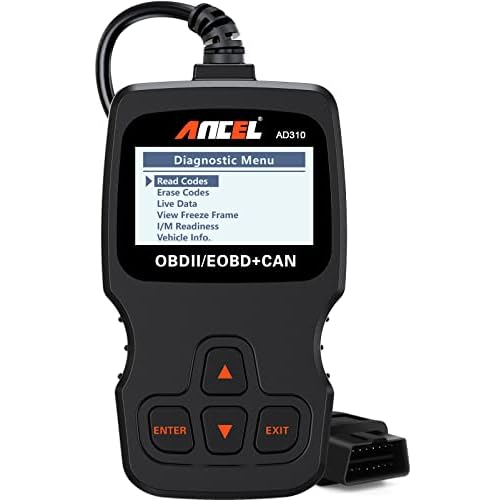
You can read these codes with an affordable ANCEL AD410 OBD-II scanner, which plugs into the port beneath the steering column. Once you retrieve the code, cross-reference it with Mazda’s Technical Service Bulletins (TSBs) to see if a known fix exists.
Understanding the Skyactiv-Drive 6-Speed Automatic
Transmission Design and Mechanics
The SkyActiv-Drive gearbox is a torque-converter automatic, not a CVT or dual-clutch. It uses traditional planetary gearsets and hydraulic clutch packs to shift between six forward ratios. Mazda engineered it to lock the torque converter as early as possible, sometimes at speeds below 15 mph, to maximize efficiency.
This aggressive lockup strategy delivers impressive EPA ratings but can feel abrupt if the TCM software hasn’t been refined. The transmission relies on precise fluid pressure to activate clutch packs, so even slight deviations in line pressure or solenoid response can produce noticeable shift quality issues.
Known Weaknesses and Failure Modes
While SkyActiv-Drive transmissions are generally reliable, early production units (2020–2021 model years) shipped with conservative TCM calibrations that prioritized fuel economy over smoothness. Many owners reported lurching and hesitation until Mazda released updated software in late 2021.
“Had the TCM flash done at 18k miles and it transformed the car. No more bucking at stoplights. Wish they’d done it at the factory.” via Mazdas247 forum
Another weak point is the oil pressure switch, a small sensor mounted on the valve body. It’s prone to internal shorts and can send erratic signals, triggering P0730 codes and causing slipping sensations.
Differences from CVT and DCT Systems
Unlike CVTs, which use a belt and pulleys, or DCTs, which use dry clutches and no torque converter, SkyActiv-Drive offers a familiar, linear acceleration feel. You won’t experience the “rubber band” effect common in CVTs or the low-speed jerkiness of some dual-clutch setups.
The trade-off is that traditional automatics require regular fluid changes and periodic software updates. If you’ve owned a Honda CR-V with a CVT or a Volkswagen with a DSG, you’ll find the CX-30’s transmission more predictable and easier to service.
Diagnosis, Symptoms, and Early Warning Signs
Unusual Noises and Vibrations
A healthy SkyActiv-Drive transmission operates almost silently. If you hear whining, grinding, or clunking during shifts, something is wrong. Whining often indicates low fluid or a failing pump, while clunking suggests worn clutch packs or loose torque-converter bolts.
Vibrations at idle, especially in Drive with your foot on the brake, can point to a torque-converter shudder. This occurs when the lockup clutch material degrades or fluid contamination disrupts hydraulic pressure. Lubegard Platinum ATF Protectant can sometimes reduce shudder by improving clutch friction, but it’s a temporary fix.
Burning Smell or Discolored Fluid
Transmission fluid serves as both lubricant and hydraulic medium. When it overheats, it breaks down chemically and emits a distinct burnt odor. If you smell this after aggressive driving or towing, pull over and let the transmission cool.
Discolored fluid, dark brown or black with a gritty texture, signals advanced degradation. Mazda recommends inspecting ATF every 30,000 miles and replacing it every 60,000 miles under severe-duty conditions (frequent towing, mountainous terrain, extreme heat). Standard maintenance intervals are 100,000 miles, but many mechanics recommend halving that for longevity.
Gear Slippage and Power Loss
Slippage feels like the engine revs high but the car won’t accelerate proportionally. You might press the throttle and watch the tachometer climb while forward momentum lags. This indicates clutch-pack wear or low line pressure.
Slippage often accompanies P0730 codes, which report an incorrect gear ratio. The TCM expects a specific RPM-to-vehicle-speed correlation: when it detects a mismatch, it assumes internal slippage and logs the fault.
Dashboard Alerts and Diagnostic Codes
Modern CX-30s monitor dozens of transmission parameters in real time. When the Check Engine Light appears, the TCM has stored at least one code. Use an OBD-II scanner to retrieve it, generic code readers work, but a Mazda-specific tool like FIXD OBD-II scanner provides richer data.
P0700 is the master code that signals “check for transmission-specific codes.” You’ll need to dig deeper to find the actual fault, such as P0750 (solenoid A) or P2764 (torque-converter pressure). Always cross-reference codes with NHTSA’s TSB database to see if Mazda has issued a bulletin.
Repair Options, Maintenance, and Long-Term Reliability
Typical Repair Costs and Warranty Coverage
Mazda’s powertrain warranty covers the transmission for 5 years or 60,000 miles, whichever comes first. If your CX-30 is still under warranty and exhibits documented shifting issues, the dealership should perform TCM updates, fluid flushes, or component replacements at no charge.
Out-of-warranty repairs vary widely. A TCM software flash runs $100–$150, while replacing a faulty oil pressure switch costs $200–$350 including labor. Major rebuilds, required only in severe neglect cases, can exceed $3,500.
Preventive Maintenance Tips
You can extend your SkyActiv-Drive’s lifespan with a few simple habits:
- Change fluid every 60,000 miles: Use only Mazda ATF FZ or an equivalent full-synthetic meeting SP-IV specifications.
- Warm up the transmission: Avoid aggressive acceleration for the first mile, especially in freezing temperatures.
- Clear adaptive memory annually: Disconnect the negative battery terminal for 15 minutes to reset shift learning.
- Monitor for leaks: Inspect your parking spot weekly for red or brown drips.
Here’s a quick maintenance schedule:
| Mileage | Task | Estimated Cost |
|---|---|---|
| 30,000 | Fluid inspection | Free (DIY) |
| 60,000 | ATF replacement, filter clean | $250–$400 |
| 100,000 | Full transmission service, TCM flash | $400–$600 |
When to Seek Professional Help
DIY diagnosis is fine for reading codes and checking fluid color, but avoid tearing into the transmission yourself. Internal repairs require specialized tools and knowledge of hydraulic circuits. If you experience persistent slipping, harsh shifts after a TCM update, or multiple warning lights, schedule an appointment with a Mazda-certified technician.
Bring your OBD-II scan data and a written timeline of symptoms. This documentation helps the tech replicate the issue and reference TSBs more effectively.
Impact on Resale Value
Transmission problems can shave 10–15% off a used CX-30’s resale value if undisclosed. Buyers fear expensive repairs, so transparency is critical. If you’ve addressed issues with dealer-documented fixes, highlight those records in your listing. A Carfax report showing regular ATF changes and TCM updates can actually boost buyer confidence.
According to 2026 J.D. Power data, Mazda’s overall transmission dependability score improved 12% after widespread TCM software rollouts in 2022–2023, suggesting early issues were largely software-related rather than mechanical failures.
Expert Note: The SkyActiv-Drive's aggressive torque-converter lockup, designed to maximize fuel economy, creates a narrow margin for TCM calibration error. Small deviations in hydraulic timing produce disproportionately large shifts in driver-perceived smoothness. This explains why a simple software update often resolves complaints that feel mechanical.
Frequently Asked Questions
What are the most common Mazda CX-30 transmission problems?
The most frequent issues include hesitation when shifting from Park to Drive, jerky gear changes at 15,000–25,000 km, delayed engagement, transmission fluid leaks, and slipping between gears. These typically stem from outdated TCM software, low transmission fluid, faulty oil pressure switches, or adaptive shift memory requiring a reset.
How can I fix jerky shifting in my Mazda CX-30?
Jerky shifts often resolve with a TCM software update and reset of the adaptive transmission memory. You can reset by disconnecting the battery for 15 minutes or using an OBD-II scanner. A software flash at your Mazda dealership recalibrates shift points and typically eliminates the lurching sensation.
What does the P0730 transmission code mean on a Mazda CX-30?
P0730 indicates an incorrect gear ratio detected by the transmission control system. This code typically appears with slipping sensations or harsh shifts and often signals low transmission fluid, a faulty oil pressure switch, or TCM software issues. Use an OBD-II scanner to retrieve the code and consult Mazda’s Technical Service Bulletins for diagnosis.
How often should I change the transmission fluid in a Mazda CX-30?
Mazda recommends ATF replacement every 100,000 miles under normal driving conditions, but every 60,000 miles for severe-duty driving like frequent towing or mountainous terrain. Fluid inspections are recommended every 30,000 miles. Always use Mazda ATF FZ or equivalent full-synthetic SP-IV fluid.
Is a Mazda CX-30 transmission leak serious?
Yes, even slow transmission fluid leaks can drop levels below optimal range within thousands of miles, causing slipping gears and overheating. Leaks typically occur at axle seals, torque-converter housing, or cooler lines. Fresh ATF is translucent red; if yours is dark brown or burnt-smelling, have it inspected immediately.
Does the Mazda CX-30 transmission warranty cover shifting problems?
Mazda’s powertrain warranty covers the transmission for 5 years or 60,000 miles, whichever comes first. If your CX-30 is within warranty and has documented shifting issues, the dealership should perform TCM updates, fluid flushes, or component replacements at no cost.
Read More:
- Car Transmission Problems (Guide for Automatic, CVT, and Hybrid)
- Mazda Transmission Problems (Here’s the Clear Symptoms & Quick Fixes)
- Mazda 3 Transmission Problems (Here’s the Early Signs & Quick Fixes)
- Mazda CVT Transmission Problems (Here’s the Truth Unveiled)
- Mazda 6 Transmission Problems (Common Symptoms and Fixes)
- Mazda CX-5 Transmission Problems (Causes, Years, and Solutions)