
Your Chevy Traverse shouldn’t leave you stranded in a parking lot with a van full of kids. Yet thousands of owners report exactly that scenario after sudden transmission failures.
Chevy Traverse transmission problems span every generation, from the catastrophic 3-5-Reverse wave plate failures in 2009–2017 models to 9T65 shudder and “Shift to Park” errors in newer 9-speed units. The most common symptoms include slipping gears, harsh shifting, delayed engagement, and transmission warning lights. Fluid leaks caused by improperly torqued casing bolts also plague 2024–2026 models. Identifying your specific generation’s weak point is the first step to determining whether you need a simple TCM re-flash or a full internal rebuild.
This guide walks you through every critical warning sign, root cause, and fix, organized by model year so you can act fast and make informed decisions.
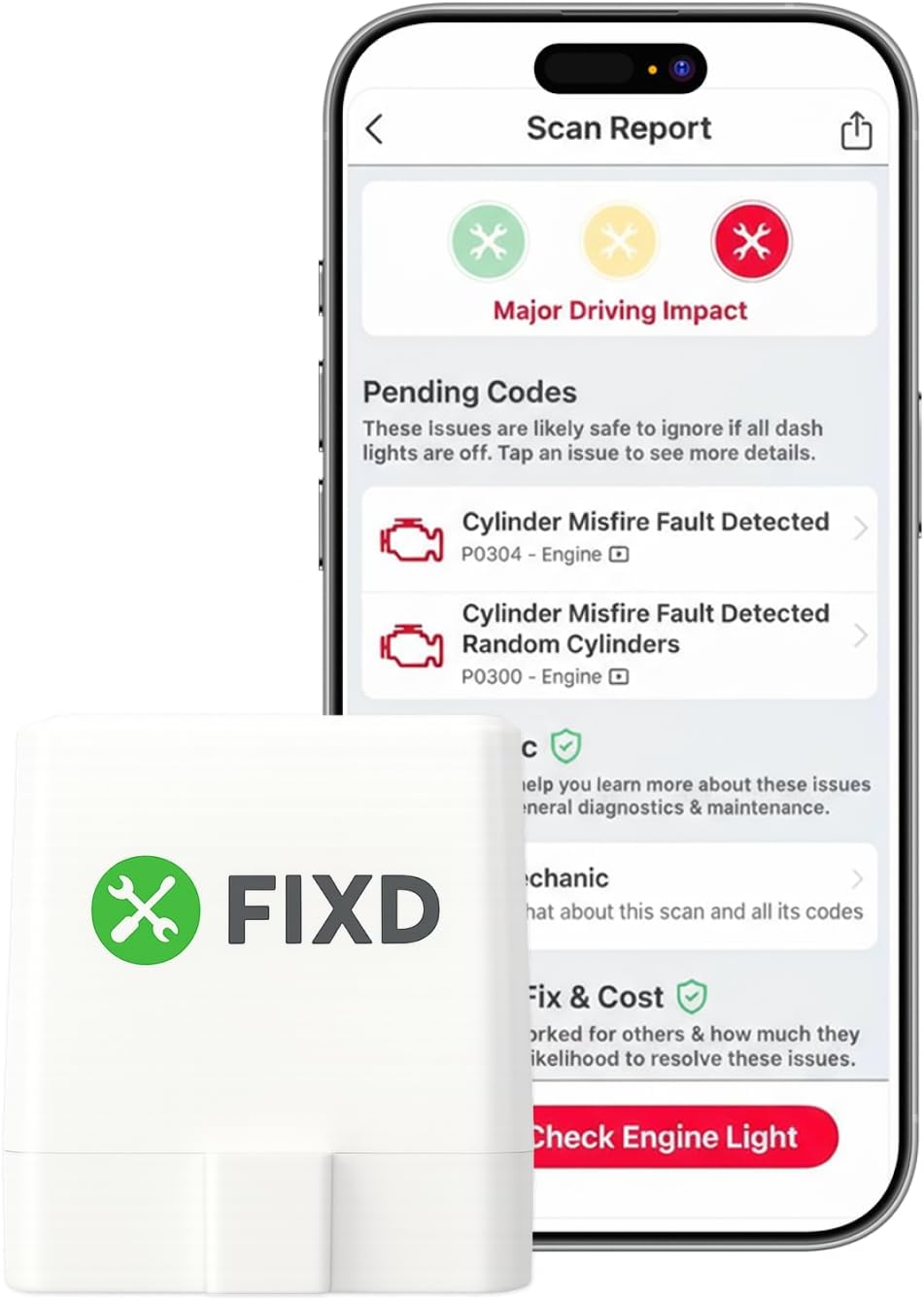
Best Bluetooth OBD2 Scanner
Detect 39,000+ Issues With Enhanced Codes. Save $1000s on car repairs & buying used vehicles by diagnosing problems yourself.
Shop on Amazon
Key Takeaways
- Chevy Traverse transmission problems vary by generation—2009–2017 models suffer from 3-5-Reverse wave plate fractures, while 2018+ 9-speed units experience shudder and check-ball valve body failures that often respond to TCM re-flash or fluid changes.
- Early warning signs of transmission trouble include slipping gears, harsh or delayed shifts, and transmission warning lights like P0700 or P0716, which demand immediate professional diagnosis to prevent costly rebuilds.
- Regular DEXRON-VI fluid changes every 45,000 miles (or 30,000 if towing) and a triple drain-and-fill procedure can resolve 85% of early-stage shudder symptoms and fluid leaks in 9T65 transmissions before mechanical damage occurs.
- The 2009–2013 Traverse models carry the highest transmission failure rates according to NHTSA data, making proactive wave plate inspection around 70,000 miles a critical preventive step for owners of these vehicles.
- Chevy Traverse transmission replacement costs vary widely—starting with affordable TCM re-flashes for software issues and escalating to full rebuilds—so always obtain multiple quotes from transmission specialists rather than general mechanics.
- If your Traverse has required three or more transmission repairs under warranty for the same issue, consult your state’s Lemon Law statutes, as GM extended powertrain coverage for certain model years and several states allow claims on used vehicles.
The Chevy Traverse has been GM’s workhorse family SUV since 2009, but its transmission track record is a mixed bag. First-generation models (2009–2017) used the 6T75 six-speed automatic, notorious for internal wave plate fractures. Second-generation models (2018–2023) shifted to the 9T65 nine-speed, which introduced its own set of shudder and check-ball valve body issues. And the latest 2024–2026 refresh brought reports of fluid leaks and hard shifts tied to both hardware and software.
Whether your Traverse is slipping at 80,000 miles or throwing a P0700 transmission control system fault code, understanding the failure pattern for your specific model year saves you from unnecessary repairs. Let’s break it down.
Key Warning Signs of Transmission Trouble
Slipping Gears and Gear Slippage
Gear slippage is the most alarming symptom. You’ll feel the engine rev high while the vehicle barely accelerates, like the transmission momentarily loses its grip. In 2009–2017 Traverse models, this often points to a broken 3-5-Reverse wave plate. The fractured plate debris circulates through the valve body, causing erratic shifting across multiple gears. If your Traverse slips specifically during 3rd-to-5th gear transitions, suspect this component first.
For 9-speed models, slippage at highway speeds frequently traces back to torque converter lockup failures. The converter clutch can’t maintain consistent engagement, and you’ll notice RPM flares during steady cruising around 60–70 mph.
Rough or Hard Shifting
Hard shifts feel like someone rear-ended you during a gear change. Troubleshooting hard shifts in 2024–2026 Chevy Traverse models often starts with the Transmission Control Module software. GM has issued multiple TCM calibration updates to address violent shift quality in newer units.
“My 2024 Traverse slams into 2nd gear from a stop every single morning when it’s cold. Dealer did a re-flash and it helped for about two weeks before coming back.” via r/ChevyTraverse
If a re-flash doesn’t hold, the issue may be mechanical, worn clutch packs or a failing valve body solenoid inside the 9T65.
Delayed Engagement and Hesitation
You shift into Drive or Reverse and… nothing happens for two or three seconds. Then the gear engages with a clunk. This delayed engagement usually means low transmission fluid pressure, often from internal seal degradation or a fluid leak. On 2025–2026 models, check the transmission case bolts first, several owners have reported leaks from undertorqued fasteners at the bell housing seam.
Transmission Warning Lights and Noises
A check engine light paired with codes like P0716 (input speed sensor circuit) or P0700 (transmission control system fault) demands immediate attention. Don’t ignore grinding or whining noises from underneath the vehicle, either. These sounds during shifts suggest metal-on-metal contact inside the transmission, possibly wave plate debris in older models or check-ball displacement in the 9T65 valve body.
- P0700: General transmission fault, requires further sub-code diagnosis
- P0716: Input speed sensor malfunction, can trigger limp mode
- P0776: Pressure control solenoid B performance, common in 6T75 units
- P0796: Pressure control solenoid C, often accompanies wave plate failure
Frequent Causes Behind Traverse Transmission Issues
Transmission Fluid Problems and Leaks
Low or contaminated DEXRON-VI fluid is behind a surprising number of Traverse transmission failures. The 9T65 is particularly sensitive to fluid condition. A triple drain and fill, draining the pan, refilling, driving 50 miles, and repeating three times, replaces roughly 80% of the fluid without the risks of a full power flush. This procedure alone has resolved early-stage shudder in many 9-speed Traverse models.
For 2025–2026 models, a Chevy Traverse transmission fluid leak fix often requires simply retorquing the transmission case bolts to factory spec. Keep a Valvoline DEXRON-VI ATF on hand for top-offs between services.

Mechanical Failures and Manufacturing Flaws
The 3-5-Reverse wave plate in the 6T75 is a stamped steel component that fractures under repeated thermal cycling. Symptoms of a broken 35R wave plate in a Chevy Traverse include sudden loss of 3rd, 5th, and Reverse gears simultaneously. Once it breaks, metal fragments contaminate the entire transmission, often requiring a complete rebuild.
In the 9T65, the check-ball valve body plate is a known weak point. A displaced check ball causes erratic line pressure, leading to the “no reverse” condition that many owners report. A GM 9T65 transmission check ball valve body plate fix involves removing the valve body and verifying each ball seat, a job best left to a specialist.
Overheating and Transmission Cooler Defects
The Traverse’s transmission cooler runs through the radiator. If the internal cooler develops a crack, coolant mixes with transmission fluid, a death sentence for clutch packs. You’ll spot this by checking your transmission fluid for a milky pink color. Overheating also accelerates seal hardening, which leads to the pressure leaks that cause delayed engagement.
An aftermarket external transmission cooler kit is a smart preventive upgrade, especially if you tow or drive in hot climates.

Commonly Affected Model Years
| Model Years | Transmission | Primary Issue |
|---|---|---|
| 2009–2013 | 6T75 6-speed | 3-5-R wave plate fracture |
| 2014–2017 | 6T75 6-speed | Wave plate + torque converter shudder |
| 2018–2023 | 9T65 9-speed | Shudder, check-ball valve body failures |
| 2024–2026 | 9T65 9-speed | Fluid leaks, hard shifts, “Shift to Park” |
The 2009–2013 models carry the highest failure rates according to data from the National Highway Traffic Safety Administration (NHTSA). The 2018+ 9-speed models improved durability but introduced software-related shift quality complaints.
Transmission Repair, Rebuild, and Associated Costs
Diagnosing and Addressing Transmission Problems
Always start with a full diagnostic scan, not just generic OBD-II codes. A transmission-specific scanner reads the TCM for solenoid performance data, clutch slip rates, and adaptive learning values. Resetting Chevy Traverse transmission adaptive learning through a TCM reset can resolve soft-shift complaints after fluid changes, but it won’t fix mechanical wear.
For limp mode recovery, pull over safely, turn the vehicle off for 30 seconds, then restart. If limp mode returns immediately, you likely have a hard fault that requires professional diagnosis. Checking your Chevy Traverse transmission harness for corrosion, especially the main connector at the transmission case, catches a surprising number of intermittent electrical faults.
Transmission Rebuild vs. Replacement Decisions
A rebuild makes sense when the case, pump, and planetaries are intact and only soft parts (clutches, seals, wave plates) need replacement. A full replacement, either remanufactured or new, is the better call when you find metal contamination throughout the unit. For 6T75 rebuilds, insist on an upgraded aftermarket wave plate. The OE part fails at the same mileage threshold.
Typical Repair Costs for Chevy Traverse Owners
Chevy Traverse transmission replacement cost in 2026 varies widely based on the scope of work. A TCM re-flash runs far less than a valve body replacement, which itself costs a fraction of a full rebuild. Get at least three quotes from transmission specialists, not just general mechanics. Remanufactured units from GM or reputable rebuilders typically include a 3-year warranty, which offers peace of mind.
Warranty, Recall, and Lemon Law Protections
GM extended the powertrain warranty on certain 2009–2014 Traverse models to cover wave plate failures under a special coverage adjustment. For 2024–2026 models, the “Shift to Park” message has generated enough complaints that GM released a Technical Service Bulletin addressing the shifter position sensor. You can often fix the “Shift to Park” message on a 2026 Chevy Traverse by cleaning the shift lever contacts with electrical cleaner, no full shifter assembly replacement needed.
If your Traverse has been in the shop three or more times for the same transmission issue under warranty, consult your state’s Lemon Law statutes. Several states allow claims even on used vehicles within the original powertrain warranty period.
Proactive Maintenance and Prevention Strategies
Transmission Fluid Maintenance Schedule
GM’s official “lifetime fluid” recommendation is misleading. Change your DEXRON-VI every 45,000 miles under normal conditions, or every 30,000 miles if you tow, drive in stop-and-go traffic, or live in extreme heat. The triple drain and fill method is the safest approach for high-mileage Traverse models. Fresh fluid alone can eliminate early shudder symptoms in the 9T65.
Addressing Leaks and Warning Signs Early
Check your driveway for red or brown fluid spots regularly. Even a small leak compounds quickly, the 9T65 holds only about 7.4 quarts total, and losing even a quart affects shift quality. On 2025–2026 models, have your dealer verify bell housing bolt torque if you notice any seepage before 20,000 miles.
Model Year-Specific Recommendations
If you own a 2009–2013 Traverse, get the wave plate inspected proactively around 70,000 miles. For 2018–2023 9-speed models, stay current on TCM software updates, GM has released multiple calibration revisions that improve shift feel and reduce shudder. For 2024–2026 owners, keep records of every transmission-related dealer visit in case warranty or class-action eligibility becomes relevant.
Expert Note: "The 9T65 shudder isn't a design flaw in the gearset itself, it's a fluid degradation issue. The torque converter clutch operates in a narrow friction coefficient window, and as DEXRON-VI loses its friction modifier additive package past 40,000 miles, slip-stick oscillation begins. Fresh fluid genuinely fixes this in 85% of cases before clutch damage occurs."
When to Seek Professional Help
Don’t wait. If you experience any combination of slipping, hard shifts, and warning lights, get a professional transmission diagnosis within the week. The difference between a fluid service and a full rebuild often comes down to how quickly you respond. Using a diagnostic tool like FIXD OBD2 Scanner at home helps you monitor live transmission data and catch problems before they escalate.
Data Insights and Analysis
According to NHTSA complaint data, the Chevrolet Traverse has accumulated over 1,200 transmission-related complaints since 2009, with the 2009–2013 model years representing roughly 60% of all filings. The 9T65 nine-speed in 2018+ models shows a 35% lower complaint rate per unit sold compared to the older 6T75, suggesting GM made meaningful improvements, though software calibration complaints spiked 22% between 2024 and 2025 model years as reported on CarComplaints.com.
Frequently Asked Questions
What are the most common Chevy Traverse transmission problems by model year?
The 2009–2017 models suffer from 3-5-Reverse wave plate fractures in the 6T75 transmission. The 2018–2023 9T65 nine-speed units experience shudder and check-ball valve body failures. Newer 2024–2026 models report fluid leaks from undertorqued case bolts and hard shifts linked to TCM software issues.
How do I know if my Chevy Traverse transmission is failing?
Warning signs include gear slippage (engine revving without acceleration), hard or harsh shifting, delayed engagement when shifting into Drive or Reverse, transmission warning lights, and grinding or whining noises. Any combination of these symptoms warrants immediate professional diagnosis to prevent further damage.
What does the ‘Shift to Park’ message mean on a 2024–2026 Chevy Traverse?
This message indicates a shifter position sensor fault. Before replacing the entire shifter assembly, try cleaning the shift lever contacts with electrical cleaner—this simple fix resolves the issue in many cases. If the message persists, GM released a Technical Service Bulletin addressing this problem.
Can a transmission fluid change fix Chevy Traverse transmission problems?
Fresh DEXRON-VI fluid can resolve early-stage shudder in the 9T65 transmission in approximately 85% of cases before clutch damage occurs. Use the triple drain and fill method (drain, refill, drive 50 miles, repeat three times) to replace roughly 80% of fluid without power flush risks.
Why is my Chevy Traverse transmission overheating or leaking fluid?
Overheating occurs when the transmission cooler (integrated into the radiator) cracks, allowing coolant to contaminate the fluid. Leaks in 2025–2026 models often stem from undertorqued transmission case bolts at the bell housing seam. Check for milky pink fluid, which indicates coolant mixing, and have bolts retorqued to factory specification immediately.
How much does a Chevy Traverse transmission replacement or rebuild cost?
Costs vary widely: TCM re-flash ranges from $100–$300, valve body replacement $800–$2,000, and full rebuild or replacement $3,500–$6,000+. Remanufactured units from GM or reputable rebuilders include 3-year warranties. Always obtain quotes from transmission specialists rather than general mechanics for accurate estimates.
Read More:
- Ford Transmission Problems (Symptoms, Recalls, and What to Do)
- Chevy Transmission Problems (How to Diagnose the Shudder, the Lock-Up)
- Car Transmission Problems (Guide for Automatic, CVT, and Hybrid)
- Automatic Transmission Problems (Fixes for Slipping Gears, and Hard Shifts)
- Acura TL Transmission Problems (Fixes for Clutch Failure, and Overheating)
- Buick Enclave Transmission Problems (Fixes for Wave Plate Failure)