This post contains affiliate links. Purchases may earn me a commission at no extra cost to you.
Your Acura TL’s transmission is likely the one thing standing between you and another 100,000 trouble-free miles. If you’re dealing with harsh shifts, a flashing D5 light, or shuddering at highway speed, you’re not alone.
Acura TL transmission problems most commonly stem from worn 3rd gear clutch packs, failed pressure switches, degraded ATF fluid, and torque converter lockup failures. The 1999–2003 second-generation and 2004–2006 third-generation models are the most affected, with issues ranging from 2nd gear overheating to complete transmission failure. Many of these problems can be diagnosed early and addressed with targeted fluid changes, pressure switch replacements, or software updates before a full rebuild becomes necessary.
This guide walks you through every generation’s known weak points, the specific TSBs and recalls that apply, and the exact diagnostic steps you should take in 2026, whether you’re nursing a high-mileage daily driver or evaluating a used TL purchase.
Acura TL transmission problems stem primarily from worn clutch packs, failed pressure switches, and degraded fluid—issues most prevalent in 1999–2003 and 2004–2006 models that can often be diagnosed early and addressed with targeted maintenance before requiring a full rebuild.
A blinking D5 light indicates your transmission control module has detected a critical fault; scan immediately with a Honda-compatible OBD-II tool to identify the specific diagnostic code and prevent further damage.
The most effective solution for Acura TL transmission problems is performing a triple drain-and-fill procedure every 30,000 miles using only genuine Honda DW-1 ATF, which restores shift quality and prevents costly repairs if caught early.
Acura TL transmission slipping when hot is a hallmark symptom of fluid degradation above 220°F; installing an aftermarket transmission oil cooler is a proven long-term investment that eliminates overheating issues in high-traffic or warm-climate driving.
The 2003 Acura TL has the highest transmission failure rate among all model years with over 900 complaints logged, while post-2007 models show a significant drop in failures, indicating Honda’s internal redesign was effective.
Avoid buying used junkyard transmissions for your TL; instead, invest in a remanufactured unit with a 3-year minimum warranty to ensure reliability and avoid inheriting the same design weaknesses.
Common Issues and Early Warning Signs
Acura TL automatic transmissions, both the 5-speed (5AT) and 6-speed units, develop predictable failure patterns. Recognizing these early can save you from a catastrophic breakdown.
Transmission Slipping and Rough Shifting
If your TL hesitates between gears or delivers a hard “clunk” during the 1-2 or 2-3 shift, you’re likely experiencing clutch pack wear. This is especially common on 2002–2003 models where the 2nd gear clutch pack overheats due to inadequate lubrication from a poorly designed oil jet. Burnt ATF-Z1 fluid accelerates this, pull your dipstick and check for a dark brown color and burnt smell. Fresh Honda DW-1 fluid should be a translucent ruby red.
Troubleshooting Acura TL hard shift 1st to 2nd often starts with a triple drain-and-fill procedure: drain three quarts, refill with genuine Honda DW-1, drive 50 miles, and repeat two more times. This replaces roughly 90% of the old fluid without the risks of a full power flush.
Delayed Engagement and Slipping Gears
When you shift from Park to Drive and experience a 2–3 second delay before the car “catches,” your transmission line pressure is likely dropping. On 2004–2008 TLs, the 3rd and 4th gear pressure switches are notorious for leaking internally. You can find the Acura TL transmission fluid pressure switch location on the rear of the transmission case, they’re accessible without removing the unit.
Acura TL transmission slipping when hot is another hallmark symptom. As fluid temperature rises above 220°F, degraded ATF loses viscosity and can’t maintain adequate clutch apply pressure. An aftermarket transmission oil cooler is one of the best long-term investments you can make.
Check Engine Light and Diagnostic Codes
A P0700 transmission control system malfunction code is a generic gateway, it tells you the TCM has stored a more specific sub-code. Pair it with P0741 (torque converter clutch circuit performance) and you’ve likely found a lockup solenoid or converter clutch issue. On 2009–2014 fourth-gen TLs, a software update from Acura can recalibrate the torque converter lockup strategy and eliminate judder without replacing the converter itself.
The blinking D5 light on Acura TL meaning is simple: the transmission computer has detected a critical fault and entered limp mode. Don’t ignore it. Scan with a Honda-compatible OBD-II tool immediately, generic readers often miss Honda-specific DTCs.
Visual Inspection and Unusual Noises
Before you start replacing parts, a visual and auditory inspection narrows the diagnosis significantly.
Root Causes and Major Failure Points
Acura TL transmissions fail for three primary reasons: fluid neglect, heat damage, and electrical component degradation. The J-series V6 produces substantial torque, and the 5AT units in particular were marginal for the power levels they handled, especially in the Type-S models.
Worn Clutch Packs and Failed Shift Solenoids
Acura TL 3rd gear clutch pack failure symptoms include a pronounced flare (RPM spike without acceleration) during the 2-3 upshift. If you catch this early, a fluid change may buy time. If you see metallic debris on the drain plug magnet, internal damage has already begun.
Failed shift solenoids produce erratic shifting patterns and can set codes like P0757 or P0758. These solenoids live inside the valve body and require transmission pan removal to access.
Transmission Fluid and Overheating
Acura TL transmission overheating symptoms include a burning smell from under the car, the temperature gauge rising under load, and sluggish shifts on hot days. Symptoms of burnt Acura ATF-Z1 or DW-1 fluid include a dark, opaque appearance and an acrid odor.
Fluid Condition
Color
Smell
Action Needed
Fresh DW-1
Translucent red
Mild, sweet
No action
Worn (60k+ miles)
Dark red/brown
Slight burn
Triple drain and fill
Burnt/Degraded
Dark brown/black
Strong burnt odor
Inspect internals: likely rebuild
Installing an external transmission oil cooler is a proven upgrade for any TL that tows, sits in traffic, or lives in hot climates. Pair it with a quality OBD-II diagnostic scanner that reads Honda-specific transmission codes.
EVIL ENERGY 5/16" Transmission Oil Cooler, 6 Pass Tube and Fin Cooler Kit Universal Aluminium Black…
The TCM on 3rd-gen TLs can develop internal solder cracks that cause intermittent misfires in solenoid commands. Clearing Acura TL transmission adaptive learning (by disconnecting the battery for 30 minutes, then performing a relearn drive cycle) sometimes resolves “phantom” shift issues caused by corrupted adaptive data, not actual hardware failure.
Complete Transmission Failure
Once you hear grinding from neutral or the transmission won’t engage any gear, internal damage is severe. At this stage, your options are a remanufactured unit or a full rebuild. Avoid used transmissions from junkyards, they almost certainly carry the same design weaknesses and unknown mileage history.
“My 04 TL started slipping in 3rd at 120k. Did 3 drain and fills with DW-1, replaced the 3rd/4th pressure switches, and it’s been solid for 40k miles since.” via r/Acura
Model Years, Recalls, and Related Technical Service Bulletins
Not all TL generations suffer equally. Here’s where the biggest risks sit.
Second-Generation Acura TL and Transmission Risks
The 1999–2003 TL earned its reputation as a transmission time bomb. Acura TL 2nd gear oil jet recall details center on Honda TSB 01-036, which addressed inadequate lubrication to the 2nd gear clutch pack. Acura extended warranties and offered goodwill repairs on many of these units, but eligibility has largely expired by 2026. If you own one, ask your dealer about “goodwill” coverage, some owners have reported success even on older vehicles if service records are clean.
Years to Avoid and Transmission-Related Recalls
The 2002, 2003, and 2004 model years carry the highest transmission failure rates. The 2005+ units received internal revisions, but still benefit from proactive fluid maintenance. The difference between Acura TL 5AT and 6MT reliability is stark, the 6-speed manual is essentially bulletproof, while the 5AT requires vigilant care.
Impact of Transmission Design Changes
Honda revised the valve body, clutch pack material, and fluid specifications between the 2nd and 3rd generation. The 2007–2008 models are considered the sweet spot for 5AT reliability.
SH-AWD and Transmission Performance
Fourth-gen SH-AWD TLs added rear differential complexity. The Acura TL torque converter judder fix in 2026 still involves checking for the latest PCM software calibration, which adjusts lockup clutch engagement timing. This is a free update at any Acura dealer if your VIN qualifies.
“Took my 2010 SH-AWD in for the torque converter shudder. They flashed the PCM for free under a TSB and it’s been smooth ever since. Worth asking your dealer.” via AcuraZine Forums
Here’s a relevant video walkthrough on Acura TL transmission diagnosis:
Diagnosis, Maintenance, and Repair Solutions
Change Transmission Fluid and Filter
The single most effective thing you can do to fix Acura TL transmission problems in 2026 is maintain proper fluid. Perform the Acura TL triple drain and fill fluid procedure every 30,000 miles using only genuine Honda DW-1 ATF. Never use universal ATF, Honda transmissions are extremely sensitive to friction modifier formulations.
Drain 3.5 quarts from the drain plug
Refill with exactly 3.5 quarts of Honda DW-1
Drive 50–100 miles under normal conditions
Repeat the drain and fill two more times
Check fluid level on a warm, idling engine in Park
Transmission Repair and Replacement Options
How to replace Acura TL 3rd and 4th pressure switches is a common DIY repair. The switches thread into the transmission case and require a 27mm deep socket. Replace the O-rings and use Honda bond on the threads. For more extensive repairs, a remanufactured transmission from a reputable builder (look for a 3-year warranty minimum) is far safer than a used junkyard pull.
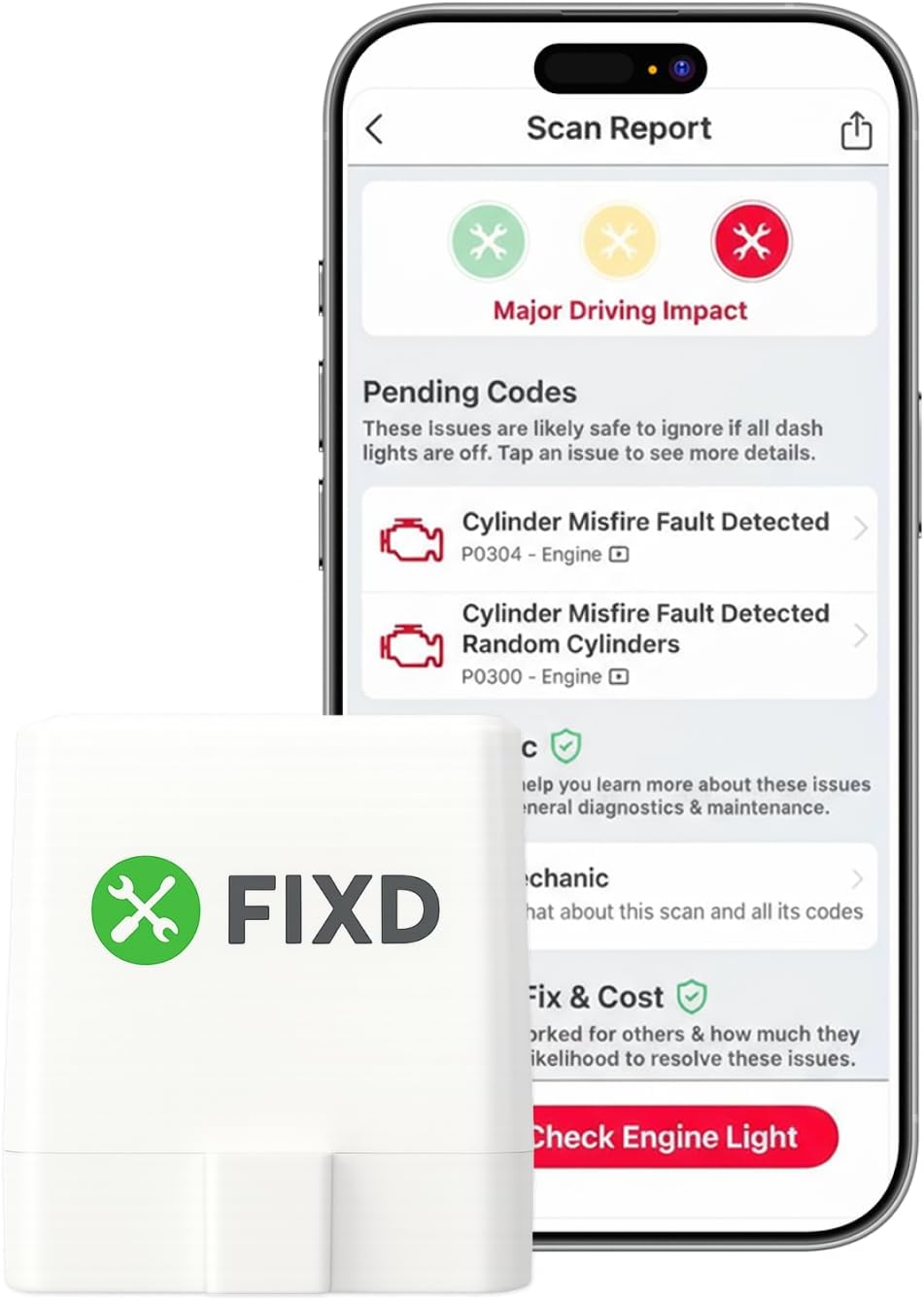
A software tool like FIXD can help you monitor live transmission data and catch issues before they escalate.
Cost of Transmission Replacement
Acura TL transmission replacement cost in 2026 varies significantly based on whether you choose a remanufactured unit, a dealer rebuild, or a used transmission. Get multiple quotes and always verify the warranty terms in writing before committing.
Preventive Maintenance Tips
Keep your transmission alive with these essentials:
Use only Honda DW-1 ATF (never mix brands)
Install an auxiliary transmission cooler if you live in a warm climate
Address the blinking D5 light immediately, don’t drive on it
Check fluid level and condition every oil change
Clear and relearn adaptive shift data after any major service
Data Insights and Analysis
According to data from CarComplaints.com, the 2003 Acura TL holds the highest number of transmission-related complaints of any model year, with over 900 reports logged. The 2004 model follows closely, while post-2007 models show a significant drop in failure reports, suggesting Honda’s internal redesign was effective.
NHTSA records show that transmission complaints account for roughly 45% of all Acura TL complaints across all model years, making it the single most reported system failure for the nameplate.
Expert Note: "The 2nd-gen TL's 3rd gear clutch failure isn't just about heat, it's about fluid shear. The original ATF-Z1 breaks down faster under the specific clutch engagement pressures of the BGRA/MGFA transmission. Switching to DW-1, which has improved shear stability, and adding an external cooler addresses both the thermal and chemical degradation pathways that kill these units."
Frequently Asked Questions
What are the most common Acura TL transmission problems?
The most common Acura TL transmission problems include worn 3rd gear clutch packs, failed pressure switches, degraded ATF fluid, and torque converter lockup failures. The 1999–2003 and 2004–2006 models are most affected, with issues ranging from harsh shifts to complete transmission failure.
What does a blinking D5 light mean on an Acura TL?
A blinking D5 light indicates your transmission control module has detected a critical fault and entered protective limp mode. Scan for codes immediately with a Honda-compatible OBD-II reader and don’t drive on it—seek service right away.
Can a fluid change fix Acura TL transmission slipping?
Yes, if the fluid is burnt but clutch packs aren’t destroyed, a triple drain-and-fill with Honda DW-1 can restore shift quality. Perform three separate drain-and-fill cycles to replace roughly 90% of old fluid without risks of a full power flush.
How often should I change my Acura TL transmission fluid?
Perform the triple drain-and-fill procedure every 30,000 miles using only genuine Honda DW-1 ATF. Never use universal ATF, as Honda transmissions are extremely sensitive to friction modifier formulations and will suffer accelerated wear.
Which Acura TL model years have the worst transmission reliability?
The 2002, 2003, and 2004 model years carry the highest transmission failure rates. According to CarComplaints.com, the 2003 TL has over 900 transmission complaints. Post-2007 models show significantly fewer failures after Honda’s internal redesign.
Is a used or remanufactured transmission better for my Acura TL?
A remanufactured transmission with a 3-year minimum warranty is far safer than a used junkyard unit. Used transmissions carry the same design flaws and unknown mileage history, making remanufactured units the better long-term investment.
Disclaimer: This content is provided for educational and informational purposes only. Equipment symptoms, repairs, and diagnostic procedures may vary by make, model, year, and condition. Always consult a qualified technician, your equipment’s service manual, and verified manufacturer recalls or service bulletins before performing repairs. GearFixes.com assumes no liability for damages resulting from the use of information on this site.