
Your Jeep Grand Cherokee just started jerking between gears on your morning commute, and now you’re wondering if you’re staring down a $4,000 repair bill. Before you panic and call the dealership, take a breath, many transmission hiccups are actually simple software glitches or low fluid levels you can check yourself in under 20 minutes.
Most Jeep Grand Cherokee transmission problems stem from low or contaminated transmission fluid, faulty solenoids, software glitches in the Transmission Control Module (TCM), or worn valve body components, and many of these issues can be diagnosed and temporarily fixed right in your driveway using basic tools like a dipstick, an OBD2 scanner, and a smartphone app before you ever need to visit a mechanic.
This guide walks you through recognizing the warning signs, running quick DIY diagnostic checks, and determining whether you’re dealing with a 10-minute fluid top-off or an actual mechanical failure that needs professional attention. Let’s troubleshoot your shifting problems step by step.
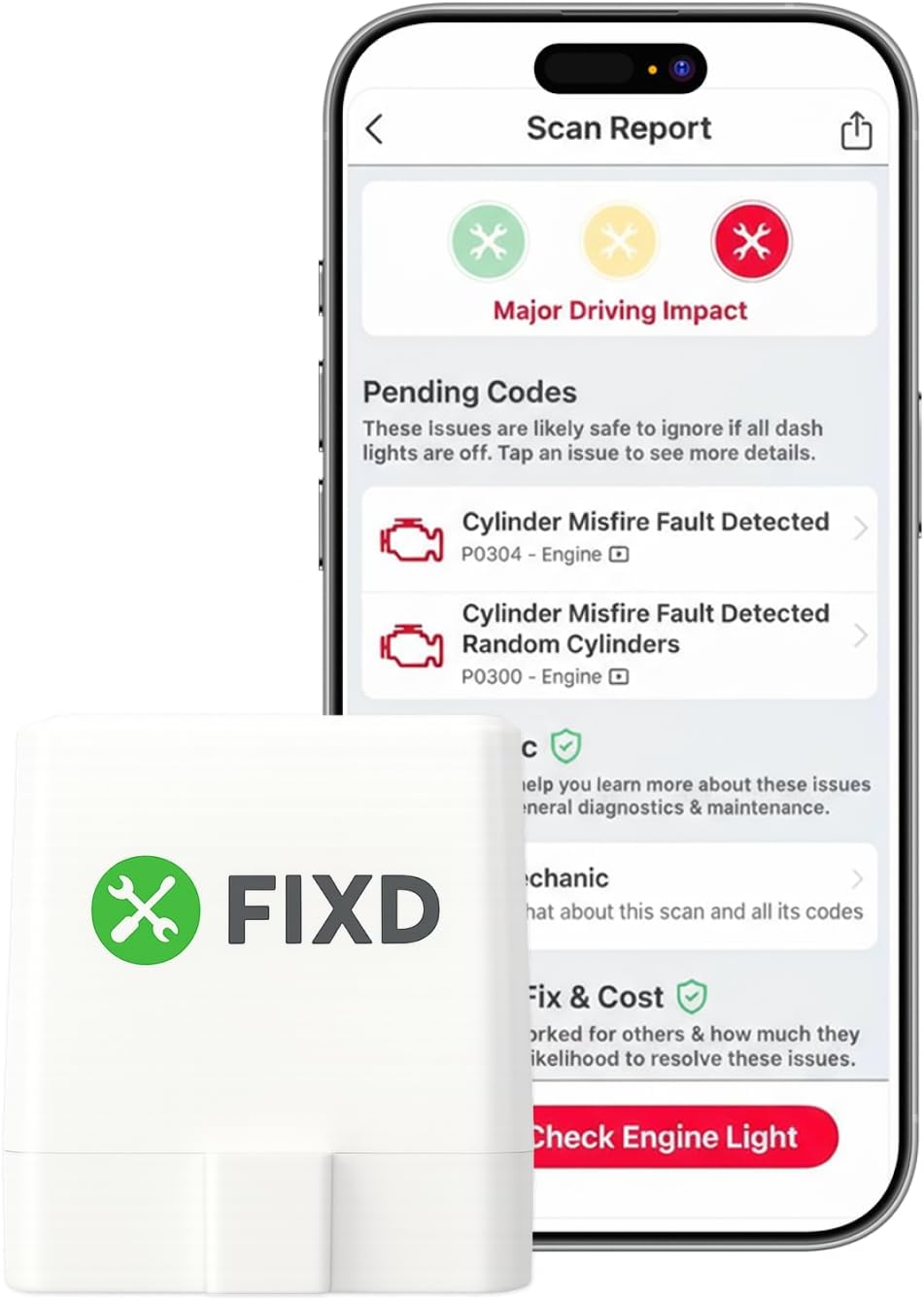
Best Bluetooth OBD2 Scanner
Detect 39,000+ Issues With Enhanced Codes. Save $1000s on car repairs & buying used vehicles by diagnosing problems yourself.
Shop on Amazon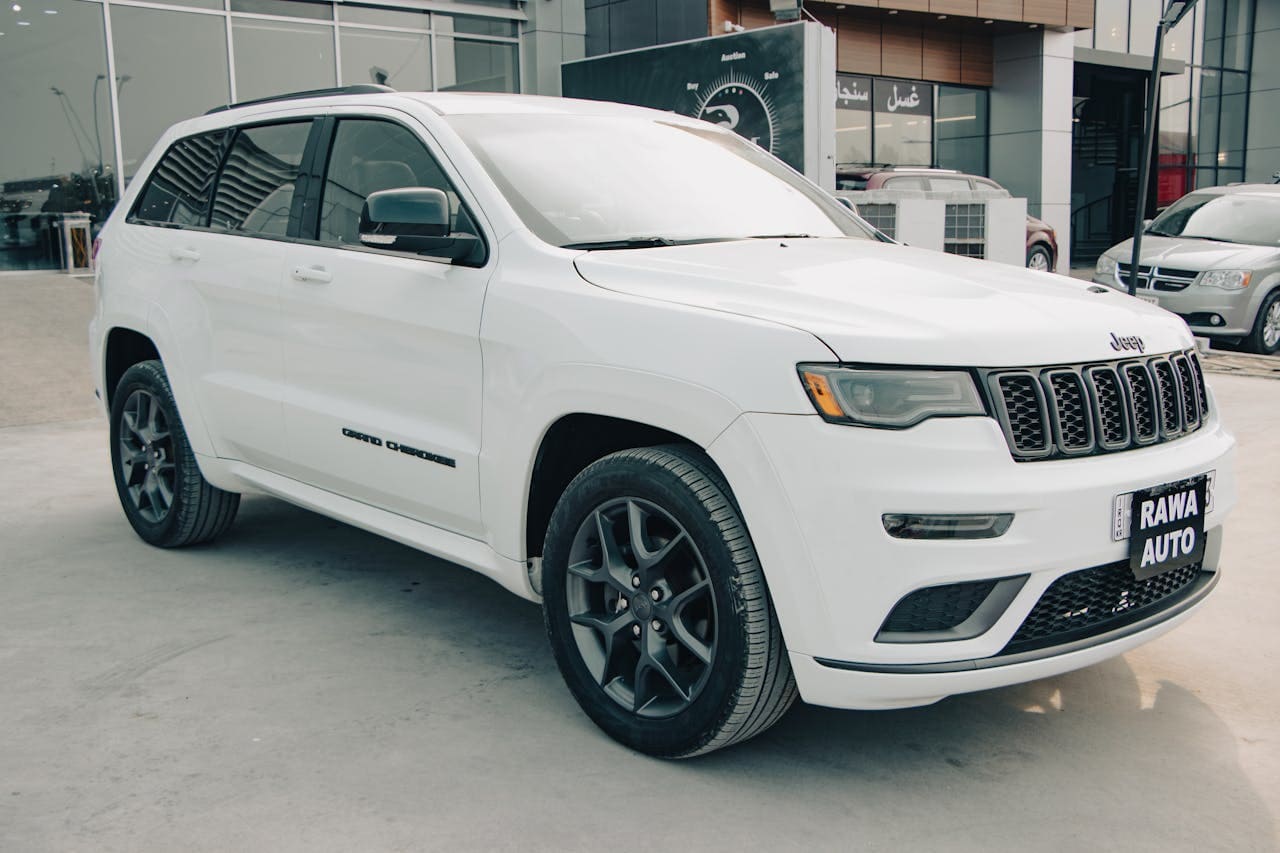
Key Takeaways
- Jeep Grand Cherokee transmission problems often stem from low fluid, faulty solenoids, or software glitches that you can diagnose yourself in under 20 minutes using an OBD2 scanner before visiting a mechanic.
- Common warning signs include shifting delays, slipping gears, harsh downshifts, and strange noises—catching these early can prevent expensive $3,000+ rebuild costs.
- Check your transmission fluid level at every oil change and use only manufacturer-specified ZF Lifeguard 8 or ATF+4 fluid, as generic alternatives cause premature wear and slipping.
- The 2014 ZF 8-speed transmission showed early issues mostly resolved by 2015, while 2011–2013 models with the older NAG1 transmission are prone to solenoid and valve body failures around 100,000 miles.
- Run a diagnostic scan when warning codes appear, and pay attention to freeze frame data and error code patterns—multiple simultaneous codes indicate systemic damage requiring professional transmission specialist attention.
- Preventive fluid flushes every 30,000–60,000 miles, cooler maintenance, and addressing small problems immediately can extend transmission life and save thousands in repair costs over your vehicle’s lifetime.
Recognizing Transmission Issues and Warning Signs
You’ll notice transmission trouble before your Jeep throws a dashboard light. The earliest red flags show up during everyday driving, hesitation when you press the gas, rough clunking sounds between gears, or that unsettling feeling when your SUV refuses to shift out of second gear at a stoplight.
Common Symptoms in Daily Driving
Shifting delays are the most common complaint. You step on the accelerator, and there’s a 2–3 second lag before the transmission engages. Sometimes the SUV lurches forward hard once it finally catches. Other times, you’ll feel a noticeable shudder or vibration around 40–50 mph, especially during light acceleration.
Slipping gears create a revving engine sound without matching speed increase. Your RPM needle climbs, but your Jeep doesn’t accelerate proportionally. You might also experience harsh downshifts when slowing down or coming to a stop, accompanied by a jarring clunk that rattles the whole cabin.
Strange noises matter. Whining, grinding, or buzzing sounds from under the vehicle often signal internal wear or low fluid. If you hear a high-pitched whine that changes with vehicle speed, your transmission pump might be struggling. Listen carefully during cold starts, problems often worsen when the fluid is cold and thick.
Dashboard Indicators and Error Codes
Your check engine light is your first diagnostic tool. When the Transmission Control Module detects irregularities, it logs a trouble code and illuminates the warning light. Common codes include P0700 (general transmission fault), P0730 (incorrect gear ratio), and P0750 (shift solenoid A malfunction).
The red lightning bolt symbol, your Electronic Throttle Control (ETC) warning, can also appear during transmission issues. When the TCM and engine computer disagree on gear selection, the system enters limp mode to protect the drivetrain. Your Jeep will default to third gear and refuse to shift, limiting you to about 35 mph.
Don’t ignore the transmission temperature warning. If you see a thermometer icon or a message saying “Transmission Over Temp,” pull over immediately. Overheating damages seals, burns fluid, and warps internal clutch packs. According to a 2025 analysis by CarComplaints, the 2014–2016 model years show the highest rate of temperature-related transmission failures, particularly in the ZF 8-speed automatic.
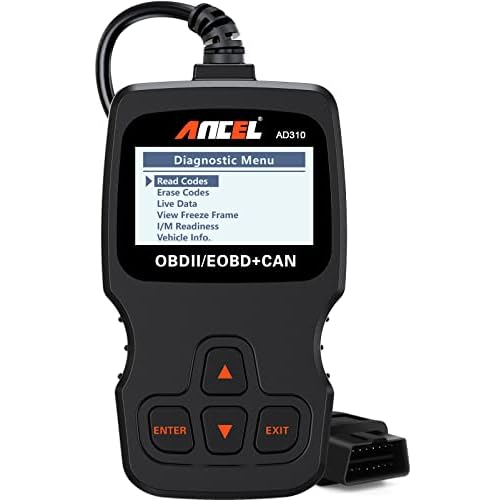
Your instrument cluster might display generic messages like “Service Transmission” or “Transmission Fault.” These aren’t specific diagnoses, they’re prompts to check codes with a scanner. Grab a basic ANCEL AD310 OBD2 scanner to pull the exact error codes and see what your Jeep is trying to tell you.
Shifting Problems and Delayed Engagement
Delayed engagement happens when you shift from Park to Drive or Reverse, and the transmission takes several seconds to respond. This usually points to low fluid pressure, worn clutch packs, or a failing pump. Cold weather makes it worse, transmission fluid thickens in temperatures below 15°F, slowing hydraulic response.
Hard shifts feel like someone rear-ended you at low speed. The transmission slams into gear with excessive force, jerking the whole vehicle. This often indicates solenoid failure or software calibration issues. The TCM commands a shift, but the solenoid sticks or responds erratically, causing abrupt pressure changes.
Refusal to upshift or downshift leaves you stuck in one gear. If your Jeep won’t go above third gear, it’s likely in limp mode due to a detected fault. Check for error codes immediately. Manual mode might still work even when automatic mode fails, this suggests a software or sensor problem rather than total mechanical failure.
“My 2015 Grand Cherokee started refusing to shift out of 3rd gear randomly. Dealer wanted $3,200 for a rebuild. I reset the TCM by disconnecting the battery for 20 minutes, and it’s been fine for 6 months.” via r/GrandCherokee
Slipping between gears creates a dangerous loss of power. The engine revs freely, but the wheels don’t respond. This typically means clutch material is worn down or hydraulic pressure is too low to hold the gear. Don’t drive if you experience severe slipping, you risk stranding yourself or causing a total transmission failure.
When to Seek a Diagnostic Scan
Run a scan as soon as you notice repeated symptoms or dashboard warnings. An OBD2 scanner reads stored trouble codes from the TCM and engine computer, giving you specific fault identifiers. Basic scanners cost $20–30 and plug into the port under your steering column. More advanced BlueDriver Bluetooth scanners connect to your smartphone and provide real-time data, freeze frame snapshots, and guided troubleshooting.

Codes in the P07XX range indicate transmission-specific faults. P0700 is generic and requires deeper investigation. P0750, P0755, and P0760 point to individual shift solenoid failures. P0868 suggests low line pressure, often caused by fluid level or pump issues. Cross-reference your codes using OBD-Codes.com for detailed explanations and common fixes.
Freeze frame data shows exactly what your vehicle was doing when the code triggered, speed, RPM, coolant temperature, and throttle position. This context helps you understand whether the problem occurs during cold starts, highway cruising, or stop-and-go traffic. Pay attention to patterns. If codes only appear below 20°F, you’re likely dealing with fluid viscosity issues rather than hardware failure.
Check for multiple simultaneous codes. A single P0750 might be a bad solenoid. But if you see P0700, P0730, P0868, and P0876 all at once, you’re facing a systemic problem, low fluid, failed pump, or internal mechanical damage. That’s your cue to stop DIY troubleshooting and consult a transmission specialist before you cause catastrophic damage.
Key Causes and Contributing Factors
Understanding root causes helps you fix the problem instead of just masking symptoms. Jeep Grand Cherokee transmission issues rarely have a single culprit, they’re usually a combination of fluid condition, electronic malfunctions, and mechanical wear.
Transmission Fluid Related Issues
Low fluid is the most common and easiest fix. The ZF 8-speed transmission holds about 8.5 quarts, and even a quart low creates shifting problems. Check your fluid level with the engine running, transmission warmed up, and vehicle on level ground. The fluid should be bright red and smell slightly sweet. Dark brown or burnt-smelling fluid means it’s oxidized and needs immediate replacement.
Fluid leaks leave telltale puddles under your Jeep. Common leak points include the pan gasket, cooler lines, and output shaft seals. According to NHTSA data from 2026, Grand Cherokee models from 2011–2019 show elevated leak complaints, particularly around the valve body and solenoid harness connector. A small leak might only cost you $150 to repair, but ignoring it leads to low fluid and eventual internal damage.
Mechanical and Electronic Failures
Solenoids control fluid flow to engage gears. These electromagnetic valves wear out over time, causing erratic shifting or complete gear lockout. Replacement isn’t difficult, the solenoid pack lives inside the pan, but you’ll need to drop the pan, replace the filter, and refill with fresh fluid. Expect to spend $200–400 if you DIY, or $600–900 at a shop.
Valve body wear creates cross-leaks and pressure loss. The valve body is the transmission’s hydraulic brain, directing fluid through passages to activate clutches. Internal bore wear allows fluid to bypass intended routes, resulting in soft shifts, slipping, or delayed engagement. Valve body replacement or reconditioning runs $800–1,500 at a transmission shop.
Software Glitches and Module Problems
The TCM learns your driving style over time through adaptive shift programming. If you disconnect the battery, replace the TCM, or experience a voltage spike, the adaptive tables reset. Your transmission might shift oddly for 50–100 miles while it relearns. This isn’t a mechanical problem, it’s the computer recalibrating. Give it time before assuming you need repairs.
Software updates fix known bugs. Jeep has released multiple TCM flash updates to address shift quality, torque converter lockup, and temperature management. Check with your dealer or search Jeep’s Technical Service Bulletins for applicable updates. Many are covered under warranty extensions or goodwill programs.
Impact of Driving Habits and Model Year Variations
Aggressive driving accelerates wear. Frequent hard acceleration, towing beyond capacity, and neglecting fluid changes all shorten transmission life. The 2011–2014 Grand Cherokee models with the 5-speed automatic show higher failure rates than the 2014+ ZF 8-speed, but only when maintenance is neglected.
Model year matters. The 2014 transition year had early ZF 8-speed teething issues, mostly resolved by 2015. The 2011–2013 models use the older Mercedes-derived NAG1 transmission, prone to solenoid pack and valve body failures around 100,000 miles. Know your transmission type before ordering parts or searching for solutions.
“I’ve owned three Grand Cherokees. The 2014 had constant shifting issues until the dealer flashed the TCM under TSB 18-003-14. After that, zero problems for 80,000 miles.” via Wrangler Forum
Inspection, Diagnosis, and Maintenance Best Practices
Regular inspection catches problems before they become catastrophic failures. You don’t need a lift or special tools for basic checks, just 20 minutes and a willingness to get slightly dirty.
Routine Fluid Level Checks and Fluid Flushes
Check your fluid every oil change. Most ZF 8-speed transmissions don’t have a traditional dipstick, you need to access a fill plug on the side of the pan. Run the engine, cycle through all gears, then check the fluid level at operating temperature (around 160°F). Some models require a scan tool to monitor exact temperature. If your fluid is even slightly low, top it off immediately with the correct ATF+4 or ZF Lifeguard 8 fluid.
Flush intervals depend on use. Normal driving conditions call for a flush every 60,000 miles. Severe conditions, towing, extreme temperatures, stop-and-go traffic, require 30,000-mile intervals. A proper flush removes 90% of old fluid, while a simple drain-and-fill only replaces about 40%. Budget $200–300 for a professional flush, or DIY with a fluid pump for under $100.
Importance of Transmission Filter and Cooler Maintenance
The internal filter traps metal particles and clutch material. A clogged filter restricts flow, causing pressure drops and shifting issues. Replace it during every flush. The filter lives inside the pan, so you’re already there when you drop the pan to drain fluid. Clean the magnet in the pan while you’re at it, excessive metal shavings indicate internal wear.
Cooler blockages cause overheating. Your transmission cooler sits in front of the radiator, exposed to road debris and corrosion. Flushing the cooler lines during a transmission rebuild prevents contaminated fluid from destroying your fresh rebuild. Some shops skip this step, insist on cooler flushing if you’re having major work done.
Understanding Diagnostic Scans and Error Code Interpretation
Advanced scanners provide live data streams. Watch transmission temperature, line pressure, gear commanded vs. actual gear, and solenoid duty cycles in real time. This helps you catch intermittent faults that don’t trigger stored codes. The Autel MaxiCOM scanners offer bi-directional controls, letting you manually command shifts to test solenoid response.

Interpret codes in context. A single P0750 after a harsh shift might just be a glitch. But repeated P0750 codes over multiple drive cycles point to a failed solenoid. Use the “clear codes” function and drive normally for 50 miles. If codes return, you’ve confirmed a persistent problem requiring parts replacement.
Recognizing When Replacement Is Necessary
Internal damage shows up in metal particles, clutch material in the pan, and severe slipping that doesn’t respond to fluid changes. If you drop your pan and find chunks of metal or excessive black sludge, your transmission needs a rebuild or replacement. Don’t waste money on fluid changes when internal components are destroyed.
Rebuild vs. replace depends on mileage and damage extent. A rebuild costs $2,000–3,500 and takes a week. A remanufactured unit runs $2,500–4,000 installed. If your Grand Cherokee has high mileage (over 150,000) and other issues, weigh repair costs against vehicle value. Sometimes the smart financial move is to trade in and buy a newer vehicle.
Preventive Tips and Long-Term Solutions
Prevention saves thousands compared to emergency repairs. Smart maintenance and informed component choices extend transmission life significantly.
Early Intervention and Addressing Recurring Issues
Address small problems immediately. That slight delay in engagement won’t fix itself, it’ll worsen until you’re stranded in a parking lot. Early solenoid replacement costs $400. Ignoring it leads to clutch damage and a $3,000 rebuild. Monitor your symptoms and act when patterns emerge.
Document everything. Keep a log of when symptoms occur, what codes appear, and what repairs you’ve completed. This history helps mechanics diagnose recurring issues and proves invaluable if you pursue warranty claims or lemon law cases.
Choosing the Right Transmission Fluid and Components
Use manufacturer-specified fluid only. The ZF 8-speed requires ZF Lifeguard 8 or equivalent ATF+4 meeting Chrysler MS-9602 spec. Generic “universal” fluids don’t meet friction modifier requirements and cause shudder, slipping, and premature wear. Don’t cheap out on fluid, it’s a $50 difference that protects a $4,000 transmission.
OEM vs. aftermarket parts matters. Genuine Mopar solenoids cost more but match factory specs exactly. Aftermarket solenoids from reputable brands like Sonnax work well, but avoid unknown Chinese brands on Amazon that fail within months. Read reviews and check return rates before ordering critical electronic components.
Evaluating Recalls and Technical Service Bulletins
Check for open recalls using your VIN at NHTSA’s recall lookup. Jeep has issued several transmission-related recalls and warranty extensions. TSB 18-003-14 addresses harsh shifting in 2014 models. TSB 21-004-20 covers torque converter shudder in 2018–2020 models. Dealers must perform TSB repairs free if your vehicle is covered.
Warranty extensions happen quietly. Jeep extended powertrain coverage on certain model years due to widespread transmission complaints. Call your dealer with your VIN and ask about extended coverage, many owners don’t know they’re eligible for free repairs.
Upgrades, Rebuilds, and Professional Service Options
Performance upgrades improve durability. Companies like Shift Improver Kits offer valve body modifications that increase line pressure and reduce slippage. These make sense if you tow frequently or have a lifted Jeep with larger tires.
Choose your shop carefully. Not all transmission shops are equal. Look for facilities specializing in Jeep and ZF 8-speed transmissions. Ask about warranty terms, reputable shops offer 3-year/50,000-mile coverage on rebuilds. Check Google reviews and BBB ratings before committing to major repairs.
Consider a remanufactured unit for high-mileage vehicles. If your Grand Cherokee has 180,000 miles and needs a rebuild, a factory-reman transmission might cost the same but includes updated components and a better warranty. Get quotes from multiple sources before deciding.
Frequently Asked Questions
What are the most common causes of Jeep Grand Cherokee transmission problems?
The primary causes include low or contaminated transmission fluid, faulty solenoids, software glitches in the Transmission Control Module (TCM), and worn valve body components. Many issues can be diagnosed using a basic OBD2 scanner and simple checks like fluid level inspection.
How can I tell if my Grand Cherokee has a transmission problem?
Common warning signs include shifting delays (2-3 second lag before engagement), rough clunking between gears, slipping gears causing engine revving without proportional speed increase, whining or grinding noises, and dashboard warnings like P0700 or P0750 error codes. Cold weather often worsens symptoms.
Can I fix Jeep Grand Cherokee transmission problems myself without a mechanic?
Simple issues like low fluid, which accounts for most shifting problems, can be checked and topped off in under 20 minutes using a dipstick or fill plug. However, for solenoid failures, valve body wear, or internal mechanical damage, professional diagnosis and repair are necessary to avoid catastrophic failure.
What does it mean if my Grand Cherokee is stuck in third gear and won’t shift?
This typically indicates limp mode, triggered by a detected transmission fault. The TCM defaults to third gear to protect the drivetrain, limiting you to about 35 mph. Check for error codes immediately with an OBD2 scanner. Sometimes resetting the TCM by disconnecting the battery for 20 minutes resolves software glitches.
How much does it cost to fix Jeep Grand Cherokee transmission problems?
Costs vary widely: fluid top-off ($0-50), solenoid replacement ($200-400 DIY, $600-900 at a shop), valve body repair ($800-1,500), and full rebuild or replacement ($2,000-4,000). Early intervention on small problems prevents expensive failures costing thousands more.
Why is my Grand Cherokee transmission temperature warning light on?
The transmission is overheating, which damages seals, burns fluid, and warps internal clutch packs. Pull over immediately and let it cool. Causes include low fluid, cooler blockages, or intense driving. The 2014-2016 ZF 8-speed models show the highest rate of temperature-related failures according to 2025 CarComplaints data.
Read More:
- Hyundai Transmission Problems (Guide to Diagnosing the Issue)
- Nissan Altima Transmission Problems (Fixes for CVT Shudder, and Limp Mode)
- Automatic Transmission Problems (Fixes for Slipping Gears, and Hard Shifts)
- Ford Transmission Problems (Symptoms, Recalls, and What to Do)
- Chevy Transmission Problems (How to Diagnose the Shudder, the Lock-Up)