
Your VW Beetle’s throttle suddenly goes soft, that orange EPC light glows on the dash, and now you’re crawling home in limp mode wondering what just cost you a fortune. Take a breath. It’s usually not as bad as it feels.
To fix the EPC light on your VW Beetle, you need to scan for stored fault codes with an OBD2 or OBDeleven tool, then inspect the usual suspects in order: throttle body carbon buildup, a failing accelerator pedal position sensor, worn spark plugs or ignition coils, a faulty brake light switch, and battery voltage. Most cases trace back to one of these five culprits, and most are fixable in your driveway with basic tools, a little patience, and maybe a $20 part.
This guide walks you through exactly what to check first, what the common fault codes mean, and when it’s smarter to let an independent VW specialist handle it instead of guessing.
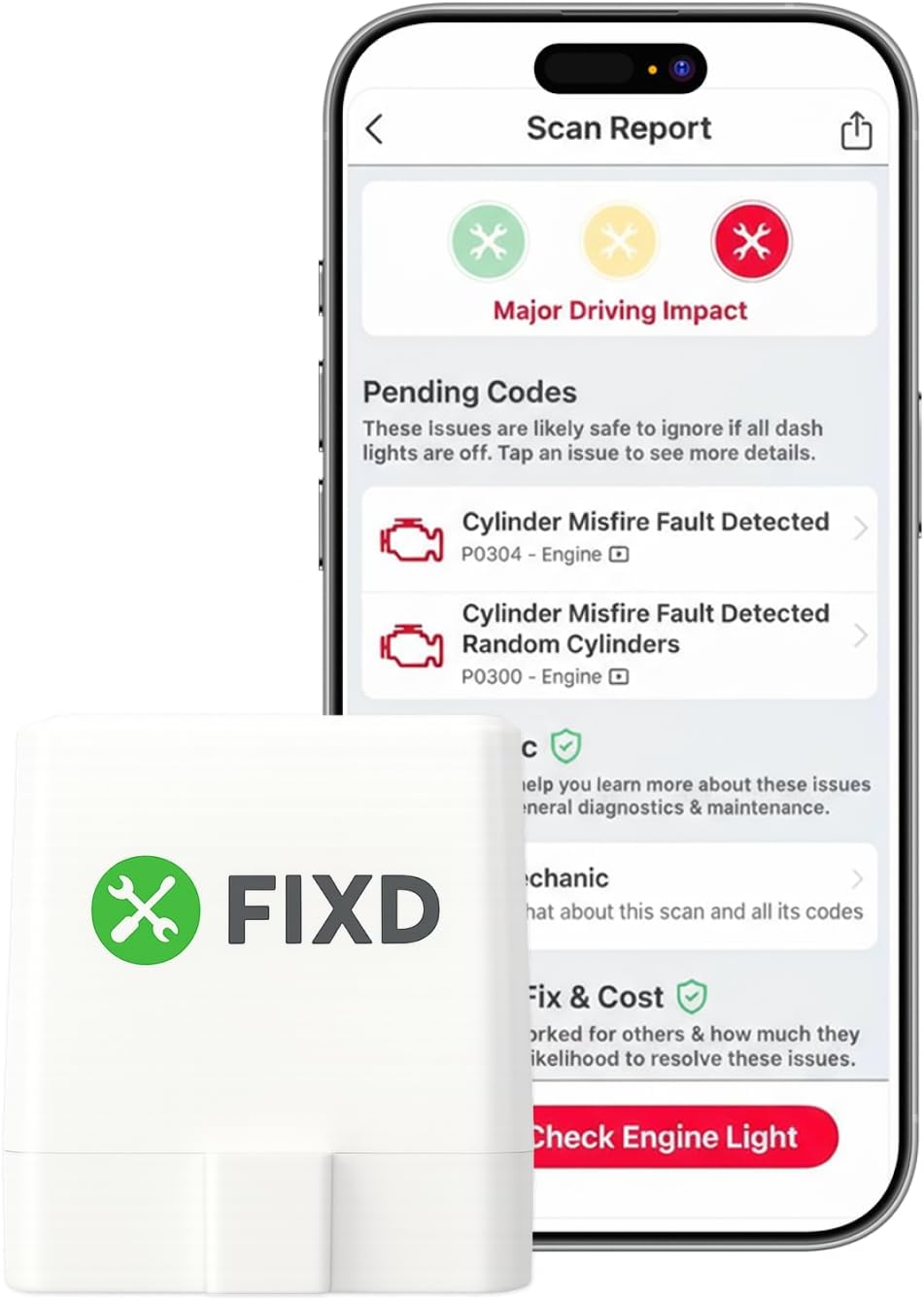
Best Bluetooth OBD2 Scanner
Detect 39,000+ Issues With Enhanced Codes. Save $1000s on car repairs & buying used vehicles by diagnosing problems yourself.
Shop on Amazon
Key Takeaways
- The EPC light on your VW Beetle indicates a drive-by-wire system fault—use an OBD2 or OBDeleven scanner to read stored fault codes before attempting any repairs.
- Most EPC light fixes for VW Beetles trace back to five common culprits: throttle body carbon buildup, failing accelerator pedal sensors, worn spark plugs or ignition coils, faulty brake light switches, and low battery voltage.
- Throttle body cleaning with proper cleaner and an adaptation reset using OBDeleven often resolves the EPC light in your driveway without requiring a dealership visit.
- Preventive maintenance—cleaning your throttle body every 20,000 to 30,000 miles, replacing spark plugs on schedule, and testing battery health annually—keeps the EPC light from recurring on your VW Beetle.
- A faulty brake light switch is an easy and cheap fix that’s frequently overlooked; it simply twists out and plugs back in behind the brake pedal with no tools required.
- Check your battery voltage with a multimeter first if you’re chasing phantom EPC codes, since anything under 12.4 volts at rest can cause erratic electrical behavior across the vehicle.
Understanding EPC Light
The EPC light isn’t random. It’s your Beetle’s way of saying something in the drive-by-wire chain doesn’t add up, and the computer would rather pull power than let something break worse.
What EPC Light Means
EPC stands for Electronic Power Control, Volkswagen’s name for the system that manages throttle input, engine speed, and traction electronically instead of through a physical cable. When something in that loop reads incorrectly, the car defaults to limp mode. That means reduced power, a flashing or steady EPC icon, and sometimes a check engine light riding along with it. It’s a safety net, not a death sentence for your engine. Think of it as your Beetle protecting itself until you sort out the glitch.
Systems EPC Monitors
The EPC system keeps tabs on the throttle body, accelerator pedal sensor, brake switch, engine speed sensor, and several related inputs across the 1.8T, 2.0T TSI, and 2.5L platforms. It cross-checks these signals against each other constantly. If the pedal says accelerate but the throttle body doesn’t respond correctly, or the brake switch sends a conflicting signal, the module flags a mismatch. That’s the moment your dash lights up and acceleration gets capped.
EPC vs Check Engine
A lot of owners assume these two lights mean the same thing. They don’t. The check engine light covers broader emissions and engine management concerns. The EPC light specifically targets throttle control and drivetrain safety systems. When both illuminate together, it’s often one root cause, like a bad throttle body or wiring fault, tripping two separate monitoring systems at once. Don’t panic if you see both. It actually helps narrow the diagnosis faster.
Common EPC Causes
Before you assume the worst, know that EPC light no acceleration limp mode fix scenarios on the VW Beetle usually come from a short list of repeat offenders.
Sensor Throttle Issues
A carbon-choked throttle body is probably the single most common cause across the New Beetle and A5 generation TSI engines. Carbon builds up on the throttle plate over time, especially with direct-injection engines that don’t have fuel washing the intake tract. This buildup causes the throttle valve to stick or misread its own position. A failing accelerator pedal position sensor is the second big offender. It sends confusing signals to the ECU, and the car simply refuses to trust your right foot.
Ignition Misfire Problems
Worn spark plugs and tired ignition coil packs cause misfires under load, which the EPC system interprets as an unsafe power delivery condition. You’ll notice rough idle, hesitation on acceleration, or a jerky feel around 2,500 to 3,500 RPM. This is especially common on the 2.0 TSI EPC light rough idle complaints you’ll see across Beetle forums. Coil packs on these engines aren’t exactly known for lasting forever, and 80,000 to 100,000 miles is a realistic window for needing replacements.
Electrical Brake Faults
A faulty brake light switch is a sneaky one. It sits behind the brake pedal, and when it fails, it confuses the ECU about brake status, which trips the EPC system for validation reasons. It’s cheap, it’s common, and it’s often overlooked. Add in degrading battery voltage, corroded ground straps, or heat-damaged wiring clips near the engine bay, and you’ve got the recipe for a phantom EPC light with no obvious mechanical cause.
Turbo Vacuum Leaks
Turbocharged Beetles add another layer. A vacuum leak in the intake boot or a failing diverter valve can throw off manifold pressure readings, which the ECU reads as an inconsistency in expected engine load. This often pairs with a hissing sound under acceleration or a slight power dip before the EPC light appears. It’s less common than throttle or ignition causes, but worth checking if everything electrical checks out clean.
Diagnosing EPC Problems
Guessing wastes time and money. A proper scan tells you exactly where to look first.
Reading Trouble Codes
How to clear electronic power control light VW Beetle situations always start the same way: plug in a scanner and pull the codes. Don’t just clear them blind, though. Read what’s stored first, write it down, then clear and test drive to see if it returns. If the light comes right back, you’ve confirmed the fault is active, not a one-time glitch. If it stays off, you may have caught a minor sensor hiccup that resolved itself.
Tools for Troubleshooting
For reading OBDeleven fault codes for VW Beetle EPC light situations, two tools stand out. A basic OBD2 scanner reads generic codes and works fine for a quick check. But the OBDeleven Pro app and dongle digs deeper into VAG-specific modules, giving you live sensor data, adaptation resets, and manufacturer-level codes a generic scanner misses. For home mechanics serious about VW ownership, it’s worth having in the glovebox.
Common Fault Codes
Here’s a quick reference for codes you’ll commonly see tied to EPC warnings on Beetle platforms.
| Fault Code | System Affected | Likely Cause |
|---|---|---|
| P2135 | Throttle Position Sensor | Throttle body fault or wiring |
| P0122/P0123 | Accelerator Pedal Sensor | Pedal sensor circuit issue |
| P0300s | Misfire Detected | Spark plugs or coil packs |
| P0504 | Brake Switch Correlation | Faulty brake light switch |
| P0299 | Turbo Underboost | Vacuum leak or diverter valve |
Match your code to the section above, and you’ll already know where to start wrenching.
Solutions Prevention Tips
Once you know the cause, most of these fixes are genuinely simple diy fixes for common Volkswagen Beetle EPC problems that don’t require a lift or a dealership appointment.
Fixing Throttle Sensor Ignition
Throttle body cleaning alignment VW Beetle EPC warning fixes start with pulling the intake boot, spraying a proper throttle body cleaner (not brake cleaner) on a rag, and gently wiping the carbon off the plate and bore. Avoid spraying directly into the electronics housing.
After cleaning, some Beetles need a throttle adaptation reset, which OBDeleven or a basic adaptation-capable scanner handles in seconds. For pedal sensors, inspect the wiring harness clip first since a loose connector mimics a full sensor failure. If plugs and coils are original past 80,000 miles, replace them as a set, not one at a time.
“Cleaned the throttle body, did the adaptation with OBDeleven, and the EPC light hasn’t come back in three months. Wish I’d done this before paying for a dealer diagnostic.” via r/Volkswagen
Fixing Vacuum Brake Air
For vacuum leaks, check the intake boot clamps and the diverter valve hose for cracking, especially near the turbo where heat wear is worst. A $20 brake pedal switch replacement is one of the easiest DIY jobs on this list. It usually just twists out and plugs back in behind the pedal, no tools required beyond your hands.
If you’re chasing a phantom code with no clear pattern, check your battery voltage with a multimeter first. Anything under 12.4 volts at rest can cause erratic EPC behavior across the whole VAG electrical network.
“My EPC light kept coming back randomly for weeks. Turned out my battery was just old and dropping voltage under load. New battery, problem gone instantly.” via r/VWBeetle
For testing voltage accurately at home, a reliable digital multimeter earns its keep fast, and pairing it with a dependable 12V jump starter power bank means you’re never stranded from a low battery fault again.

Preventing Light Recurrence
Clean your throttle body every 20,000 to 30,000 miles as routine maintenance, not an emergency fix. Keep spark plugs on a schedule rather than waiting for symptoms. Inspect wiring clips near the exhaust manifold annually for heat cracking, since VW’s plastic clips age faster than the wires themselves.
Test battery health before winter every year, since cold weather exposes marginal batteries fast. Consistent small maintenance keeps the EPC light from becoming a recurring headache on your Beetle.
Frequently Asked Questions
What does the EPC light mean on a VW Beetle?
EPC stands for Electronic Power Control. It indicates a fault in your Beetle’s drive-by-wire throttle system. The light triggers when signals from the throttle body, pedal sensor, or related inputs don’t match, causing the car to enter limp mode and reduce power for safety.
How do I fix the EPC light on my VW Beetle?
Scan for fault codes using an OBD2 or OBDeleven tool first. Common fixes include cleaning throttle body carbon buildup, replacing a faulty accelerator pedal sensor, swapping worn spark plugs or coil packs, replacing the brake light switch, or checking battery voltage. Most are DIY-friendly repairs.
What’s the difference between EPC light and check engine light?
The EPC light specifically monitors throttle control and drivetrain safety systems, while the check engine light covers broader emissions and engine management. Both can illuminate together if one root cause affects multiple systems, like a bad throttle body.
Can a faulty brake light switch cause an EPC light?
Yes. A faulty brake light switch confuses the ECU about brake status, which can trigger the EPC system. It’s a common and often-overlooked culprit. Replacement is simple and inexpensive—usually just a hand-twist removal behind the brake pedal.
What fault codes are commonly associated with VW Beetle EPC warnings?
P2135 indicates throttle position sensor faults, P0122/P0123 points to accelerator pedal issues, P0300s suggest misfires from spark plugs or coils, P0504 flags brake switch problems, and P0299 indicates turbo underboost from vacuum leaks or diverter valve failures.
How often should I clean my VW Beetle’s throttle body to prevent EPC light issues?
Clean your throttle body every 20,000 to 30,000 miles as routine maintenance. This prevents carbon buildup that causes throttle misreading and EPC warnings. Combined with regular spark plug replacements and annual wiring inspections, consistent maintenance prevents recurring EPC problems.
Read More:
- How to Fix EPC Light on VW (Common Causes and Solutions)
- How to Fix EPC Light on VW Polo (Fast Guide to Solve the Issue)
- How to Fix EPC Light on VW Jetta (DIY Guide to Save Time & Money)
- How to Fix EPC Light on VW Passat (Common Causes and Quick DIY Guide)
- How to Fix EPC Light on VW Golf (Common Causes and DIY Repair Guide)
- How to Fix EPC Light on VW Tiguan (No Acceleration Limp Mode Fix)