
That amber warning on your Sorento’s dash can strike at the worst moment, kids in the back, groceries loaded, and now an engine light glowing steadily. Before panic sets in, understand that this light rarely means your SUV is about to break down on the spot.
The Kia Sorento check engine light illuminates when the onboard diagnostic system detects a problem affecting emissions, engine performance, or transmission, ranging from a loose gas cap (simple fix) to oxygen sensor faults or catalytic converter failures (requires professional repair). A steady light means you should diagnose the issue soon: a flashing light signals active misfires that can damage the catalytic converter and requires immediate attention.
This guide walks you through practical troubleshooting steps tailored to Sorento’s 4-cylinder, V6, Turbo, and Hybrid powertrains, helping you decide whether to grab a wrench or call your mechanic.
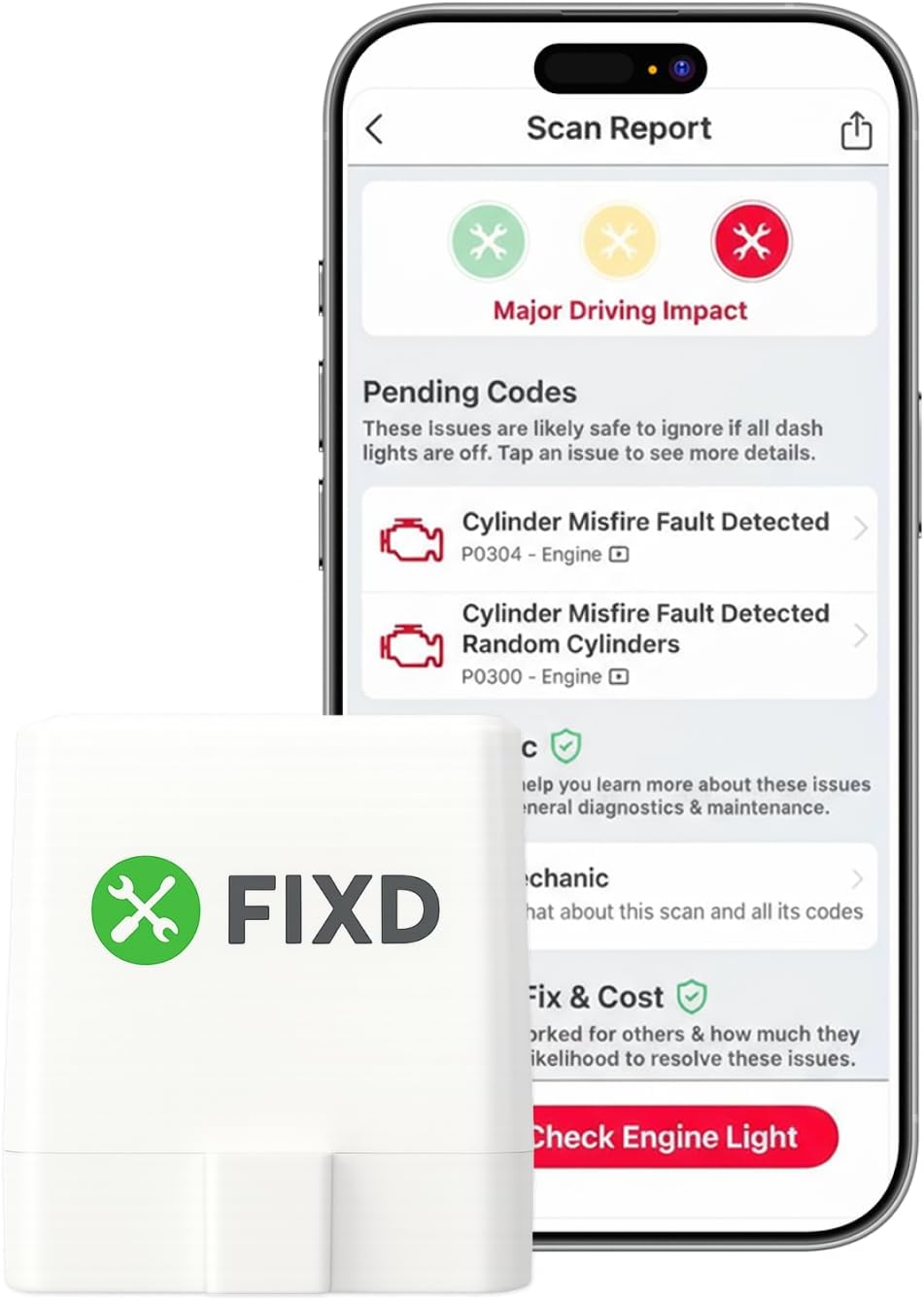
Best Bluetooth OBD2 Scanner
Detect 39,000+ Issues With Enhanced Codes. Save $1000s on car repairs & buying used vehicles by diagnosing problems yourself.
Shop on Amazon
Key Takeaways
- A steady Kia Sorento check engine light indicates a fault requiring diagnosis within days, while a flashing light signals active misfires demanding immediate professional attention to prevent catalytic converter damage.
- The most common causes of a Kia Sorento check engine light are oxygen sensor failure, catalytic converter issues, loose gas caps, and mass airflow sensor problems—each with distinct symptoms and repair costs ranging from $15 to $1,200.
- Use an OBD-II scanner to read diagnostic trouble codes and freeze-frame data; multiple codes often indicate a single root cause, so cross-reference them with Kia Technical Service Bulletins before attempting repairs.
- DIY repairs include gas cap replacement, MAF sensor cleaning, and O2 sensor swaps, but catalytic converter replacement, transmission codes, and flashing lights require professional mechanic service.
- Never clear the check engine light before diagnosing and fixing the underlying fault, as resetting codes without repairs delays the inevitable and can cause emissions test failures.
- Prevent future check engine light issues by following maintenance intervals: air filter every 15,000–30,000 miles, oil changes every 5,000–7,500 miles, spark plug inspections every 30,000 miles, and using Top Tier gasoline with detergent additives.
What Does the Check Engine Light Mean in Your Kia Sorento?
Your Sorento’s check engine light is the gateway to your vehicle’s onboard diagnostics (OBD-II) system. It monitors dozens of sensors across the engine, transmission, and emissions control systems. When the powertrain control module (PCM) detects a value outside normal parameters, say, an oxygen sensor reading too lean or a misfire in cylinder three, it stores a diagnostic trouble code (DTC) and triggers the warning.
A steady amber light indicates a fault that won’t cause immediate damage but needs attention within a few days. You can usually drive to a parts store or your garage without risk. A flashing check engine light, but, means the engine is actively misfiring, often accompanied by rough idle, hesitation, or loss of power.
This condition dumps unburned fuel into the exhaust, overheating and potentially destroying the catalytic converter. Pull over safely, shut off the engine, and arrange a tow or very gentle drive to the nearest service facility.
Ignoring either warning invites bigger bills. A simple oxygen sensor fault (around 30 minutes of labor) can cascade into catalytic converter damage if you drive thousands of miles with the light on. Sorento owners report that early diagnosis saves an average of 60% in repair costs compared to deferred maintenance.
Most Common Causes of Kia Sorento Check Engine Light
Oxygen Sensor Failure
Oxygen (O2) sensors measure the amount of unburned oxygen in your exhaust, allowing the PCM to adjust the air-fuel mixture for optimal combustion. Kia Sorentos typically use four O2 sensors, two upstream (before the catalytic converters) and two downstream (after). When one fails, you’ll see codes P0130–P0167.
Symptoms include reduced fuel economy (often 10–15% worse), sluggish acceleration, and a sulfur smell from the exhaust. Upstream sensor failures trigger richer fuel delivery, while downstream sensor faults point to catalytic converter efficiency issues. Replace O2 sensors around every 60,000–100,000 miles: they degrade from heat cycling and contaminants in the exhaust stream.
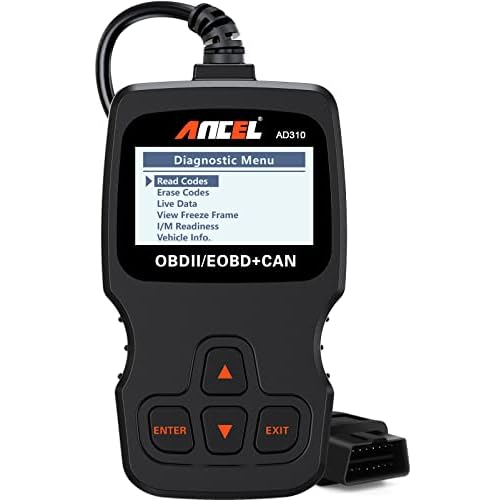
A quality replacement sensor costs around $50–$120. If you’re comfortable working under the vehicle, the swap takes about 20 minutes per sensor. Just ensure the engine is cold and apply anti-seize compound to the threads. For a reliable OBD-II scanner to confirm the exact sensor bank and circuit, check out the ANCEL AD410 scanner.
Faulty Catalytic Converter
The catalytic converter transforms harmful hydrocarbons, carbon monoxide, and nitrogen oxides into water vapor and CO₂. Sorento V6 and Turbo models use dual catalytic converters. When the downstream O2 sensor reports that converter efficiency has dropped below 95%, you’ll get code P0420 (Bank 1) or P0430 (Bank 2).
Causes include prolonged misfire (unburned fuel melts the ceramic honeycomb inside), oil consumption from worn piston rings, or using leaded fuel. Symptoms are subtle at first, slight power loss, a rotten-egg odor, and poor fuel economy. Eventually the converter clogs, choking exhaust flow and causing the engine to run hot or stall.
Replacement converters range from aftermarket units ($200–$400) to OEM Kia parts ($800–$1,200). Installation requires welding or bolt-on flanges. Before condemning the converter, verify that upstream O2 sensors and spark plugs are healthy: replacing a good converter because of a bad sensor wastes money.
“Had P0420 on my 2018 Sorento 3.3L. Mechanic insisted on a new cat, but I replaced the upstream O2 sensor first, code cleared and hasn’t returned in 8,000 miles.” via SorentoForums.com
Loose or Damaged Gas Cap
Your Sorento’s evaporative emissions (EVAP) system captures fuel vapors from the tank and routes them into the intake for combustion. A loose, cracked, or missing gas cap allows vapor to escape, triggering codes P0440–P0457.
This is the easiest fix: after refueling, turn the cap until it clicks at least three times. If the seal is worn or the tether damaged, replace the cap, OEM Kia caps cost around $15–$25. Once you tighten or replace the cap, the light may stay on for a few drive cycles (typically 20–50 miles) until the EVAP monitor completes its self-test.
If the light persists after several cycles, inspect the EVAP canister vent valve and purge solenoid. These components can stick open or closed, mimicking a loose cap. Scan for more specific codes to pinpoint the leak location.
Mass Airflow Sensor Issues
The MAF sensor sits between the air filter and throttle body, measuring the volume and density of incoming air. The PCM uses this data to calculate fuel injection pulse width. When the MAF reads incorrectly, often due to oil contamination from over-oiled aftermarket filters or dirt buildup, you’ll see codes P0171 (System Too Lean) or P0100–P0104 (MAF Circuit Malfunction).
Symptoms include rough idle, hesitation during acceleration, and black exhaust smoke (rich condition). Clean the MAF sensor with MAF-specific cleaner spray (never brake cleaner or carburetor cleaner, which leave residue). Remove the sensor, spray the delicate hot-wire or film element, and let it air-dry for 10 minutes.
If cleaning doesn’t resolve the issue, replace the MAF. Genuine Kia or quality aftermarket sensors (Bosch, Denso) run $80–$150. Installation is plug-and-play, typically two screws and a wiring harness connector.
How to Diagnose Your Kia Sorento Check Engine Light
Using an OBD-II Scanner to Read Trouble Codes
Locate the OBD-II port under your Sorento’s dash, just above the brake pedal on the driver’s side. Plug in a code reader, basic models display DTCs: advanced scanners (like the BlueDriver Bluetooth scanner) stream live sensor data and freeze-frame snapshots.
Turn the ignition to ON (engine off). The scanner powers up and communicates with the PCM. Select “Read Codes” to pull stored and pending DTCs. Write down all codes: multiple codes often point to a single root cause. For example, P0171 + P0174 (both banks lean) plus P0101 (MAF range/performance) usually means a dirty or failed MAF sensor, not three separate problems.
Next, check freeze-frame data. This snapshot captures engine RPM, coolant temperature, fuel trim, and throttle position at the moment the fault occurred. If the code set during cold start, suspect a temperature sensor or VVT solenoid. If it occurred at highway speed under load, investigate ignition coils or fuel delivery.
Cross-reference codes with the Kia Technical Service Bulletins database and the Kia owners’ forum. For instance, 2016–2019 Sorento 2.0T models saw a software update for Knock Sensor Detection System (KSDS) false triggers, code P1326. The fix is a PCM reflash, not hardware replacement.
“My 2017 Sorento threw P1326 twice in a month. Dealer applied TSB 19-EM-008, updated the knock sensor algorithm, and it’s been solid for two years.” via r/Kia
After repairs, clear codes using the scanner’s “Erase Codes” function. Drive the vehicle through various conditions, city, highway, cold start, hot restart, to allow the monitors to run. If the underlying fault remains, the light will return, often within 10–50 miles.

When to Visit a Mechanic vs. DIY Fixes
DIY-friendly repairs include gas cap replacement, MAF sensor cleaning, spark plug and ignition coil swaps (especially on V6 models where coils are top-mounted), and O2 sensor replacement if you have jack stands and a socket set. These tasks require minimal specialized tools and carry low risk of causing further damage.
Mechanic-required jobs involve catalytic converter replacement (welding or emissions compliance concerns), VVT solenoid diagnosis (requires oil pressure testing and timing chain inspection), transmission-related codes (P0700 series), and any flashing check engine light scenario. Hybrid Sorento owners should never attempt high-voltage battery or inverter diagnostics, those systems operate at 300+ volts and require insulated tools and training.
If you see multiple misfires across cylinders (P0300), low compression, or oil consumption, the issue may be internal, worn piston rings, valve seats, or timing chain stretch. A reputable shop will perform a compression test, leak-down test, and oil consumption monitoring before recommending major engine work.
Budget 1–2 hours of diagnostic labor ($100–$200) at a dealership or independent Kia specialist. They have factory scan tools (GDS) that access proprietary data streams and can perform bidirectional tests, commanding components on and off to isolate faults.
Resetting Your Kia Sorento Check Engine Light
Never reset the light before diagnosing and repairing the fault. Clearing codes without fixing the root cause just delays the inevitable, and may prevent the vehicle from completing emissions readiness monitors, causing an automatic smog-test failure.
Once repairs are complete, use your OBD-II scanner to erase codes. Alternatively, disconnect the negative battery terminal for 15 minutes. This clears adaptive fuel trims and learned idle parameters, so expect slightly rough idle for the first 10–20 miles while the PCM relearns.
After clearing codes, the check engine light should stay off if the repair was successful. Drive the vehicle through at least one complete drive cycle: cold start, city driving (stop-and-go with speeds 20–45 mph for 10 minutes), highway cruise (55+ mph for 10 minutes), and deceleration without braking. This allows the OBD-II monitors to run self-tests.
If the light returns immediately or within a few miles, either the repair was incomplete or a second fault exists. Re-scan for codes and compare them to the original list. New codes indicate you’ve uncovered a secondary issue: the same code returning means the repair didn’t address the root cause.
Preventing Future Check Engine Light Problems
| Maintenance Task | Interval | Prevents Code |
|---|---|---|
| Replace air filter | Every 15,000–30,000 miles | P0171, P0101 (MAF/lean) |
| Change engine oil (full synthetic) | Every 5,000–7,500 miles | P0011, P0021 (VVT solenoid) |
| Inspect spark plugs | Every 30,000 miles (iridium: 60,000) | P0300–P0306 (misfire) |
| Test ignition coils | When replacing plugs | P0351–P0356 (ignition coil) |
| Clean throttle body | Every 30,000 miles | P0505 (idle control) |
| Replace fuel filter | Every 60,000 miles | P0171/P0174 (lean condition) |
Use Top Tier gasoline with detergent additives to keep injectors and intake valves clean. Sorento GDI (Gasoline Direct Injection) engines are prone to carbon buildup on intake valves, which disrupts airflow and triggers lean codes. Consider a professional walnut-blast cleaning every 60,000–80,000 miles.
Address oil leaks immediately. Even minor valve cover gasket seepage can foul spark plugs and O2 sensors. Check oil level weekly, Sorento Theta II 2.4L engines (2011–2015) are known for higher-than-normal consumption: some owners add a quart every 2,000 miles. If consumption exceeds one quart per 1,000 miles, investigate piston ring wear.
Keep software updated. Kia releases periodic PCM and transmission control module (TCM) updates to refine shift logic, improve fuel economy, and reduce false fault codes. Check with your dealer or browse the Kia owners’ portal for available reflash campaigns.
Finally, invest in a quality scan tool for ongoing monitoring. The FIXD OBD-II scanner offers real-time alerts and maintenance reminders via smartphone app, giving you early warning before a minor sensor glitch becomes a major failure.

Frequently Asked Questions
What does a check engine light mean on a Kia Sorento?
A Kia Sorento check engine light indicates the onboard diagnostic system (OBD-II) has detected a fault affecting emissions, engine performance, or transmission. A steady light means you should diagnose the issue soon; a flashing light signals active misfires requiring immediate attention to prevent catalytic converter damage.
Can I drive my Kia Sorento with the check engine light on?
A steady check engine light allows safe driving to a mechanic, though diagnosis is needed within days. A flashing light indicates active misfires; pull over safely and arrange immediate service to avoid catalytic converter damage from unburned fuel overheating the converter.
What are the most common causes of check engine light in Kia Sorento?
Common causes include oxygen sensor failure (reduced fuel economy, sluggish acceleration), catalytic converter efficiency issues, loose or damaged gas cap, MAF sensor contamination (rough idle, hesitation), and ignition coil faults. Early diagnosis saves approximately 60% in repair costs versus delayed maintenance.
How much does it cost to fix a Kia Sorento check engine light?
Costs vary: gas cap replacement ($15–$25), O2 sensor ($50–$120 plus labor), MAF sensor ($80–$150), and catalytic converter ($200–$1,200 depending on OEM vs. aftermarket). Diagnostic labor at a dealership runs $100–$200. A loose gas cap is often the simplest, cheapest fix.
Should I clear the check engine light myself or visit a mechanic?
Never clear codes without diagnosing and repairing the fault first; this delays fixes and may cause emissions test failures. DIY repairs include gas cap replacement, MAF cleaning, and O2 sensor swaps. Mechanic-required jobs are catalytic converter replacement, transmission codes, and flashing light scenarios requiring specialized diagnostics.
How do I use an OBD-II scanner to diagnose Kia Sorento check engine codes?
Plug a code reader into the OBD-II port under your dash (above the brake pedal). Turn ignition on, select ‘Read Codes,’ and write down all diagnostic trouble codes (DTCs). Check freeze-frame data for conditions when the fault occurred, then cross-reference codes with Kia Technical Service Bulletins or owner forums to identify the root cause.
Read More:
- Kia Check Engine Light (Complete Troubleshooting Guide)
- Kia Soul Check Engine Light (Means, Causes and How to Fix It)
- Kia Sportage Check Engine Light (Here’s the Complete Owner’s Guide)
- Honda Check Engine Light (Means, Causes and How to Decode)
- Jeep Check Engine Light (Here’s the Quick Diagnostic Guide)