
You’ve just tightened your gas cap, replaced a faulty sensor, or completed a minor repair on your Ford F-150, Escape, or Fusion. But the dashboard still glows amber.
You can reset your Ford check engine light using an OBD-II scanner by plugging it into the port under your dash, turning the ignition to the ON position, selecting “Erase Codes” or “Clear DTCs” on the device menu, and waiting for confirmation before starting the engine. Alternatively, disconnect the negative battery terminal for 15 minutes, reconnect it, and let the Powertrain Control Module (PCM) recalibrate by completing a full drive cycle across multiple speed ranges and engine load conditions.
This guide walks you through every safe, proven method to clear that light, whether you own a Mustang, Explorer, Edge, Focus, Ranger, or Transit.
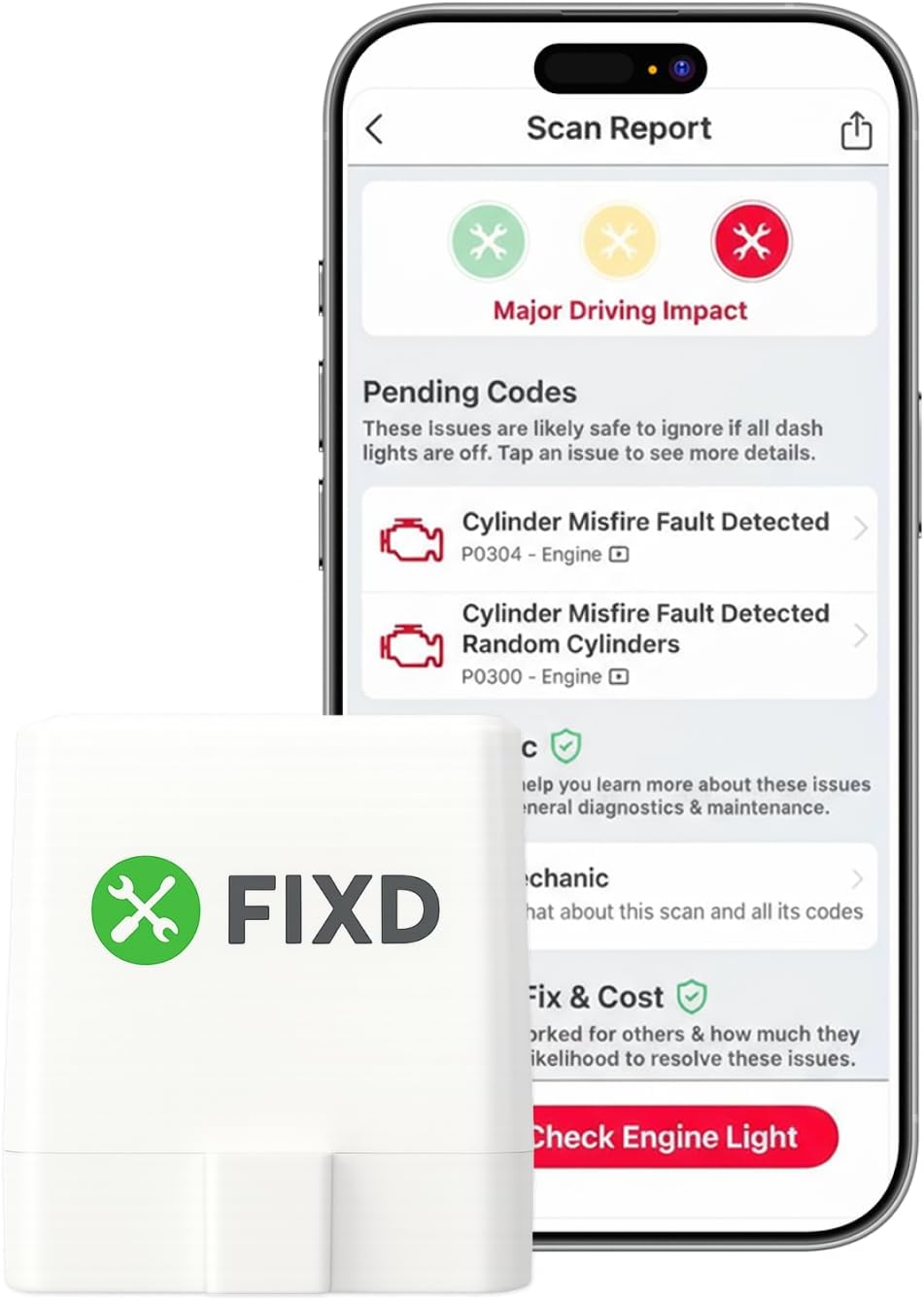
Best Bluetooth OBD2 Scanner
Detect 39,000+ Issues With Enhanced Codes. Save $1000s on car repairs & buying used vehicles by diagnosing problems yourself.
Shop on Amazon
Key Takeaways
- Reset your Ford check engine light safely using an OBD-II scanner by selecting ‘Erase Codes’ or ‘Clear DTCs,’ or by disconnecting the negative battery terminal for 15 minutes to allow the PCM to recalibrate.
- Common check engine light triggers include loose gas caps, faulty oxygen sensors, dirty mass airflow sensors, and catalytic converter failures—most are preventable with routine maintenance.
- After clearing codes, complete a full drive cycle combining city and highway driving at varied speeds to set emissions readiness monitors and prevent the light from returning.
- If your check engine light returns within days despite repairs, the root cause likely persists; bring your Ford to a certified technician with Ford IDS diagnostic equipment for accurate pinpoint testing.
- Ignoring check engine light warnings can cost 60% more in total repairs and cause cascade failures like catalytic converter damage, oxygen sensor degradation, and emissions inspection failures.
- Perform quarterly OBD-II scans to catch pending codes early and inspect your gas cap or Easy Fuel door at every fill-up to prevent evaporative system codes and avoid costly repairs.
Understanding the Check Engine Light
Role of the Malfunction Indicator Lamp
Your Ford’s Malfunction Indicator Lamp (MIL) serves as the gateway between your engine’s sensors and your attention. The moment your Powertrain Control Module (PCM) detects a fault in the emissions control system, fuel delivery, ignition timing, or sensor network, it illuminates that yellow engine icon. The light doesn’t specify the fault, it simply demands action.
The MIL operates under strict federal emissions standards. It’s designed to alert you before minor issues snowball into catalytic converter damage or failed smog inspections. Think of it as your Ford’s early-warning system.
Common Triggers for Activation
Most check engine lights trigger from surprisingly simple issues. A loose or missing gas cap remains the number-one culprit, accounting for thousands of false alarms each year. The capless Easy Fuel system on newer Fords can throw evaporative emissions codes if the spring-loaded flapper seal wears out.
Oxygen sensors degrade over time, especially after 100,000 miles. Mass airflow sensors collect debris. Spark plug misfires, failing catalytic converters, and even extreme temperature swings can wake up the MIL. According to CarMD’s 2025 Vehicle Health Index, oxygen sensor replacement topped Ford repair lists for the third consecutive year.
How the Onboard Diagnostic System Works
Your Ford’s OBD-II system continuously monitors dozens of sensors while the engine runs. When a reading falls outside the expected range twice in a row, the PCM logs a Diagnostic Trouble Code (DTC) and lights the dashboard. Some codes are “pending” (temporary glitches that need a second trip to confirm): others are “permanent” (stored until the root cause is fixed and monitors complete).
The system tracks readiness monitors for emissions components like the catalytic converter, oxygen sensors, and evaporative system. After you clear codes, these monitors reset to “incomplete” and require a full drive cycle to set again. That’s why clearing a light without fixing the problem guarantees it’ll return.
Primary Causes and Codes
Loose Gas Cap and Evaporative Emissions System
Evaporative emission codes like P0455 and P0456 represent large or small leaks in your fuel vapor recovery system. On traditional cap systems, five clicks tight usually seals the deal. But Ford’s capless Easy Fuel neck relies on a spring-loaded door that can stick open or develop seal cracks.
The P1450 code is Ford-specific, pointing to an inability to bleed up fuel tank vacuum. This often traces back to a stuck purge valve or a degraded Easy Fuel seal. You’ll need a smoke test or a new fuel filler assembly if the seal is compromised.
Oxygen Sensor and Mass Airflow Sensor Issues
P0131, P0132, P0171, and P0174 codes typically flag oxygen sensor circuit faults or fuel trim issues. Your upstream O2 sensor (Bank 1, Sensor 1) reads exhaust oxygen content and tells the PCM whether to inject more or less fuel. When it fails, your fuel economy tanks and the tailpipe belches black smoke.
Mass airflow sensors (MAF) measure incoming air volume. Dirty MAF sensors report false data, triggering lean or rich condition codes. A can of MAF cleaner and five minutes can save you a $200 sensor replacement.
“Fixed my P0171 on my 2018 F-150 EcoBoost by cleaning the MAF sensor with CRC MAF cleaner. Light stayed off for six months now.” via r/Ford
Catalytic Converter Failures
P0420 (Bank 1) and P0430 (Bank 2) signal catalyst efficiency below threshold. Your catalytic converter scrubs harmful gases from exhaust. When the honeycomb substrate inside clogs or breaks down, downstream O2 sensors detect the drop in conversion efficiency.
Catalytic converter replacement isn’t cheap, expect $800–$2,000 depending on your Ford model. But before you replace it, verify the upstream oxygen sensors are reading correctly. False P0420 codes from a dying O2 sensor are common.
Recognizing Codes Like P0171 and P0420
P0171 means “System Too Lean (Bank 1).” Your engine’s getting too much air or too little fuel. Check for vacuum leaks around intake manifold gaskets, cracked hoses, or a failing fuel pump. P0420 points to catalytic converter issues, but can also appear after a misfire floods the cat with unburned fuel.
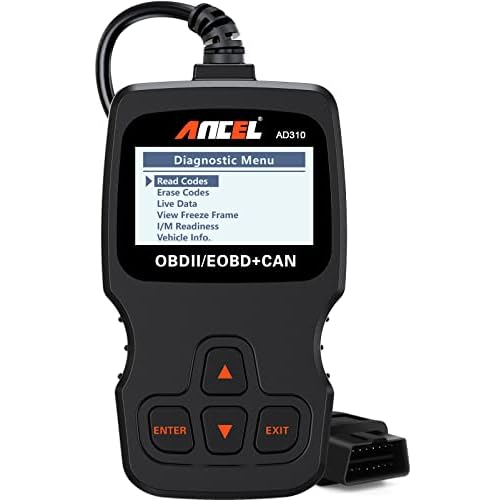
Use a quality OBD-II scanner like the ANCEL AD310 Classic Enhanced Universal OBD II Scanner to pull codes and view freeze-frame data. Freeze frames capture engine RPM, coolant temp, and load at the moment the fault triggered, critical clues for diagnosis.
Safe Reset Methods
Using an OBD-II Scanner
Plug your OBD-II scanner into the diagnostic port beneath the steering column (usually left of the brake pedal). Turn your ignition to the ON position without starting the engine. The scanner powers up and begins handshaking with your PCM.
Navigate to “Erase Codes,” “Clear DTCs,” or similar menu option. Confirm the action. The scanner sends a command to wipe stored trouble codes and turn off the MIL. Wait for the confirmation message, then turn off the ignition, unplug the scanner, and start your engine. The light should stay dark.
For advanced users, FORScan software paired with an ELM327 adapter offers deeper Ford-specific diagnostics and module programming. You can clear codes, reset adaptations, and view live data streams, all from a laptop or smartphone.
Battery Disconnect Method
Disconnecting the battery forces a hard reset of your PCM memory. Pop the hood, locate the negative terminal (black cable, minus symbol), and loosen the clamp nut with a 10mm wrench. Pull the cable off the post and tuck it aside so it can’t touch metal.
Wait 15 minutes. This drains residual power from capacitors and clears volatile memory. Reconnect the cable, tighten the clamp, and start your Ford. The check engine light should be off, but your radio presets, clock, and idle adaptation memory will also reset.
Your Ford’s Battery Monitoring System (BMS) will recalibrate over the next 50–100 miles. Expect slightly rough idling and sluggish throttle response until the PCM relearns fuel trims and shift points.
Ignition Key Cycling and Drive Cycles
Some Ford models respond to a manual key-cycle reset. Turn the ignition to ON (don’t start), wait three seconds, press the gas pedal to the floor three times, then turn the key OFF. Repeat three times. This method is hit-or-miss and works better on pre-2010 models.
After clearing codes, complete a full drive cycle to set readiness monitors. Ford’s drive cycle procedure includes:
- Cold start (coolant below 122°F)
- Idle for 2–3 minutes
- Steady 40–60 mph cruise for 10 minutes
- Deceleration without braking
- Acceleration to highway speed
- City stop-and-go driving
This cycle allows the PCM to test each emissions component and set monitors to “Ready” for inspection.
When to Seek Help from a Ford Technician
If the light returns within minutes or a few drive cycles, you’re chasing a persistent fault. Clearing codes without fixing the root cause wastes time and guarantees emissions test failure. Bring your Ford to a certified technician equipped with Ford IDS (Integrated Diagnostic System) for pinpoint testing.
Intermittent faults, those that appear and disappear, require data logging over multiple trips. A pro can capture Mode $06 data and perform bi-directional component tests that consumer scanners can’t access.
“Cleared my P0442 three times on my 2020 Escape. Light kept coming back. Dealer found a cracked EVAP canister. $340 fix, never returned.” via Ford Escape Forums
Prevention and Maintenance
Routine Checks to Avoid Future Light Triggers
Inspect your gas cap or Easy Fuel door every fill-up. Listen for the click or feel for firm closure. Replace the gas cap every 50,000 miles or if you spot cracks in the rubber seal. For capless systems, check the spring-loaded door for debris or ice buildup in winter.
Replace air filters every 15,000–30,000 miles to protect your MAF sensor. Use quality fuel from top-tier stations to reduce carbon deposits on intake valves and oxygen sensors. Change spark plugs per your owner’s manual schedule, misfires are catalytic converter killers.
Keep an eye on fluid levels. Low coolant can trigger thermostat codes: low oil pressure lights up the dash faster than you can say “rod knock.”
Importance of Regular Diagnostics
Run a quick OBD-II scan every oil change or once a quarter. Pending codes lurk in memory before the light ever glows. Catching a failing sensor early saves you from roadside breakdowns and expensive cascade failures.
Consider a Bluetooth OBD-II adapter like the BlueDriver Bluetooth Pro OBDII Scan Tool paired with a smartphone app. Real-time monitoring of fuel trims, oxygen sensor voltages, and coolant temps turns you into your own mobile mechanic.

Impacts of Ignoring Warning Lights
Ignoring a check engine light doesn’t make it go away, it compounds the damage. A faulty oxygen sensor left unchecked will ruin your catalytic converter. A misfire will melt catalyst substrate and foul spark plugs. According to a 2026 AAA study on deferred maintenance, drivers who delayed check engine light repairs paid 60% more in total repair costs than those who acted within the first month.
You’ll also fail emissions inspection in states that require OBD-II readiness checks. If your monitors show “Not Ready,” you can’t register your vehicle. And if a serious fault like low oil pressure shares the same dashboard light real estate, you might miss a critical warning until it’s too late.
Data Insights & Analysis
According to RepairPal’s 2026 Ford Reliability Report, oxygen sensor-related check engine lights increased by 22% in Ford EcoBoost models year-over-year, largely due to direct-injection carbon buildup affecting sensor readings. Cold-climate states saw a 35% spike in evaporative system codes during January–February 2026, when capless fuel door seals contracted and cracked in sub-15°F temperatures.
Expert Note: The reason battery disconnect resets work isn't magic, it's voltage. Your PCM stores trouble codes in volatile RAM powered by a small capacitor network. When you pull the battery, those capacitors drain within 10–15 minutes, wiping adaptive memory and DTC logs. But permanent codes mandated by EPA regulations since 2010 can only be cleared via the OBD-II protocol or after the PCM verifies the fault is gone through multiple drive cycles. That's why a scanner reset is always more reliable than a battery pull, it follows the proper J1979 command structure and leaves your radio presets intact.
Frequently Asked Questions
What’s the fastest way to reset a Ford check engine light?
The fastest method is using an OBD-II scanner: plug it into the diagnostic port under your dash, turn ignition to ON, select ‘Erase Codes’ or ‘Clear DTCs,’ and confirm. This takes 5–10 minutes and is more reliable than battery disconnect, which can erase radio presets and adaptation memory.
Can I reset my Ford check engine light by disconnecting the battery?
Yes, disconnecting the negative battery terminal for 15 minutes forces a PCM hard reset and clears codes. However, you’ll lose radio presets, clock settings, and idle adaptation. The engine will run roughly for 50–100 miles while recalibrating. A scanner reset is preferred and more reliable.
Why does the check engine light come back after I reset it?
The light returns because you cleared the code without fixing the underlying problem. The PCM re-detects the fault during its next monitoring cycle. Identify and repair the root cause—like a loose gas cap, dirty MAF sensor, or failing oxygen sensor—before permanently clearing the light.
How long should I drive my Ford after resetting the check engine light?
Complete at least one full drive cycle (50–100 miles) combining city and highway driving at varied speeds and engine loads. This allows readiness monitors to test emissions components like the catalytic converter and oxygen sensors, essential before passing emissions inspection.
What are the most common reasons Ford check engine lights turn on?
The top triggers are a loose or missing gas cap, faulty oxygen sensors (P0131, P0171), dirty mass airflow sensors, catalytic converter failures (P0420), evaporative system leaks, and spark plug misfires. Oxygen sensor issues alone account for 22% of check engine lights in Ford EcoBoost models.
Can I pass an emissions inspection if my check engine light is reset but not ready?
No. Most states require at least six of eight readiness monitors to show ‘Ready’ status. Clearing codes resets monitors to ‘Not Ready,’ so you must complete a full drive cycle before the vehicle qualifies for inspection. Driving with incomplete monitors will result in inspection failure.
Read More:
- Ford Check Engine Light (Means and Step-By-Step Diagnosis)
- Ford Escape Check Engine Light (Quick Diagnostic Guide for DIY Owners)
- Ford Explorer Check Engine Light (Here’s the Quick Fix Guide)
- Ford Ranger Check Engine Light (Means, Causes and Quick Fix Guide)
- Ford Check Engine Light Reset Without Scanner (Step-by-Step Guide)