
You’re cruising down the highway in your Kia Seltos when that dreaded amber light flashes: Check Engine. Your heart sinks. Is it serious? Can you keep driving?
The Kia Seltos check engine light signals that your vehicle’s onboard diagnostic system (OBD-II) has detected a fault, ranging from a loose gas cap to a failing catalytic converter or oxygen sensor, and you can safely drive short distances if the light is solid, but you should pull over immediately if it’s flashing, which indicates a severe misfire that can damage your engine or catalytic converter. Most Seltos owners driving 2.0L or 1.6T engines encounter common codes like P0441, P0455, P0171, or P0420, often resolved with simple fixes.
This guide walks you through diagnostic steps, common causes, and when to tackle repairs yourself versus visiting a shop. Let’s restore your Seltos to reliable, worry-free driving.
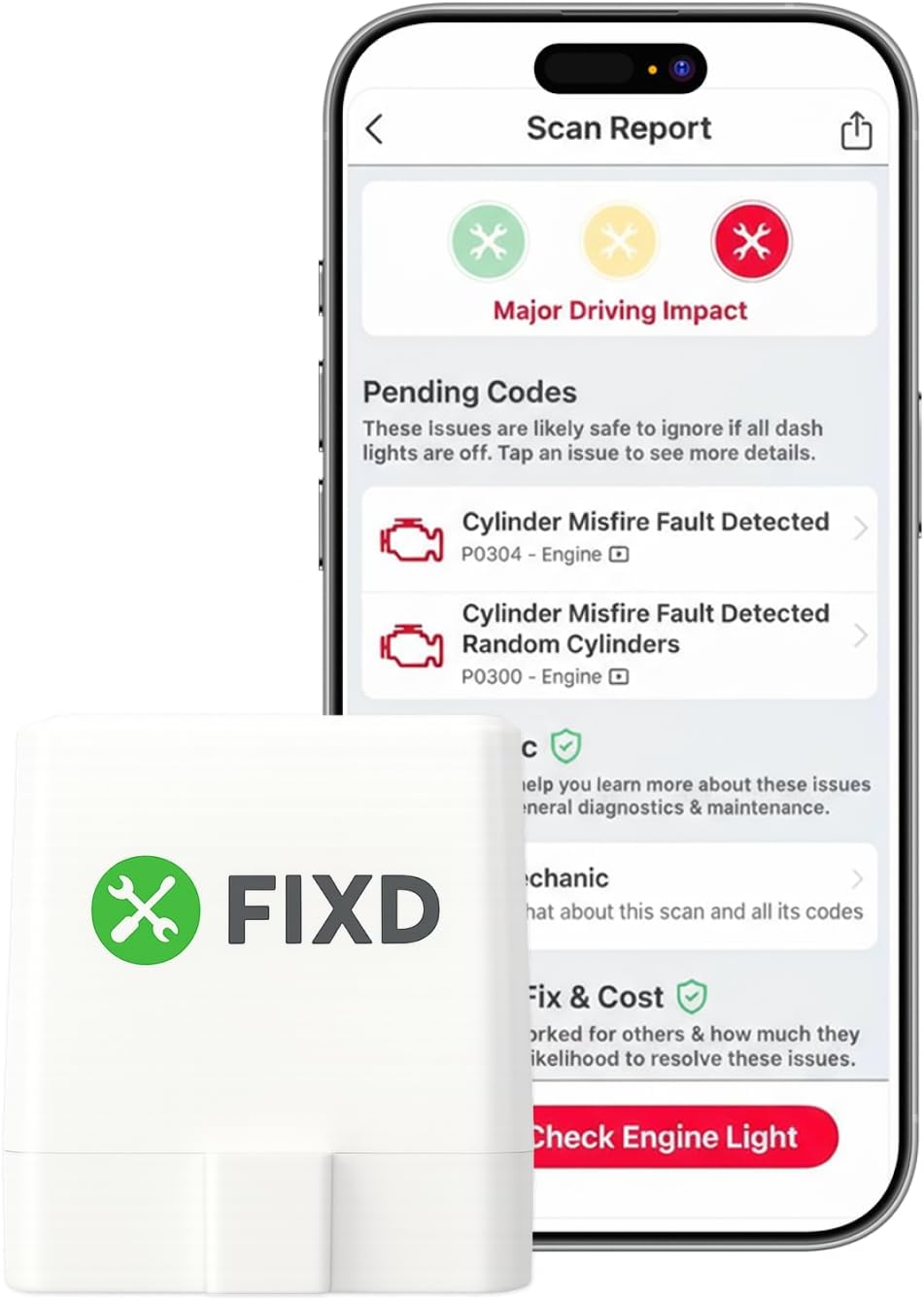
Best Bluetooth OBD2 Scanner
Detect 39,000+ Issues With Enhanced Codes. Save $1000s on car repairs & buying used vehicles by diagnosing problems yourself.
Shop on Amazon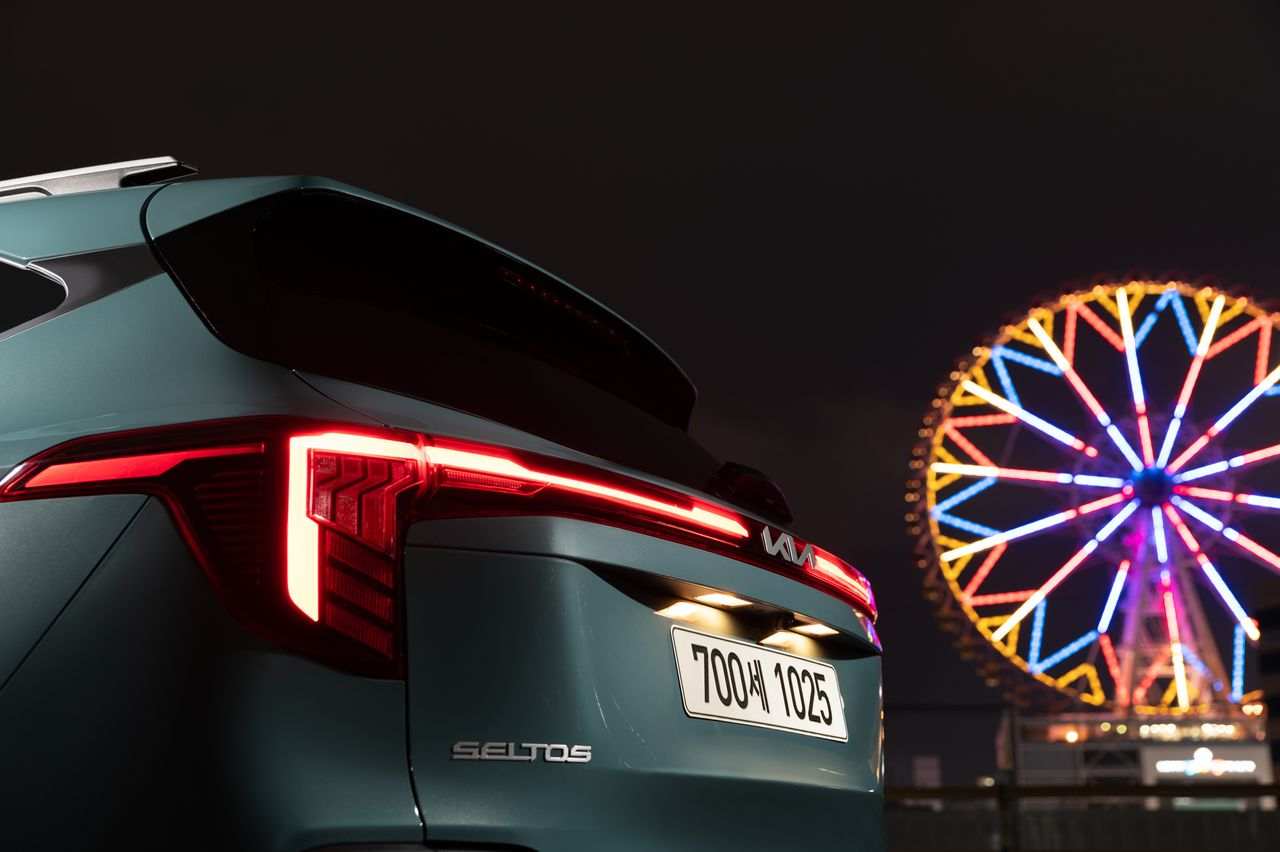
Key Takeaways
- A solid Kia Seltos check engine light indicates a non-critical issue you can drive to a shop with, while a flashing light signals severe misfire requiring immediate pull-over and towing.
- Oxygen sensors, loose gas caps, and dirty MAF sensors are the most common causes of check engine light in Kia Seltos, with oxygen sensor replacement being a straightforward DIY fix around 60,000–80,000 miles.
- Use an OBD-II scanner plugged into the diagnostic port under your dash to read trouble codes; affordable options like the ANCEL AD310 or Bluetooth adapters can save you $100+ in unnecessary dealer visits.
- DIY fixes like gas cap replacement, MAF cleaning, and oxygen sensor swaps cost under $150 and require only basic hand tools, while catalytic converter, turbocharger, and transmission issues demand professional technician expertise.
- Prevent future Kia Seltos check engine light problems by following maintenance schedules (oil every 5,000–7,500 miles, air filters every 15,000–30,000 miles), using Top Tier gasoline, and avoiding prolonged idling.
What Does the Check Engine Light Mean in Your Kia Seltos?
The check engine light (CEL) is your Seltos’s primary warning system. It connects to the Engine Control Unit (ECU), which monitors dozens of sensors tracking air-fuel ratio, emissions, ignition timing, and transmission performance. When the ECU detects a parameter outside normal range, it logs a Diagnostic Trouble Code (DTC) and illuminates the CEL.
You’ll see two behaviors. A solid light indicates a non-critical issue, like an EVAP leak or oxygen sensor drift, that won’t immediately damage your engine. You can drive to a shop or home, but don’t ignore it for weeks. A flashing light means a severe misfire is occurring, dumping unburned fuel into the catalytic converter, risking catastrophic overheating. Pull over, let the engine cool, and call for a tow if the flashing continues.
Seltos models equipped with the 1.6T turbocharged engine may trigger boost-related codes (P0234, P0299) if a wastegate actuator or turbo seal fails. The 2.0L naturally aspirated IVT variant commonly logs lean/rich codes (P0171, P0174) due to dirty MAF sensors or vacuum leaks. Knowing your powertrain helps you anticipate which faults are most likely.
Most Common Causes of Check Engine Light in Kia Seltos
Oxygen Sensor Failure
The upstream oxygen (O₂) sensor measures exhaust gases before the catalytic converter, helping the ECU adjust fuel delivery. Over time, carbon deposits clog the sensor element, causing sluggish response and codes P0131, P0132, P0135, or P0141. You’ll notice hesitation during acceleration and worse fuel economy.
Seltos owners report O₂ sensor issues around 60,000–80,000 miles, especially if you frequently idle in traffic or use lower-grade gasoline. Replacing the sensor is straightforward: locate it threaded into the exhaust manifold (accessible from the engine bay or underneath), unplug the connector, and unscrew the old unit with a 22 mm oxygen sensor socket. Torque the new sensor to 30–37 ft-lbs and reconnect the wiring.
“My 2021 Seltos threw P0135 at 68k miles. Swapped the upstream O₂ sensor in my driveway, took 20 minutes and the light cleared instantly.” via Kia-Forums.com
Downstream sensors (post-catalytic converter) monitor converter efficiency. Code P0420 or P0430 often points to a failing downstream sensor or a worn catalyst substrate.
Loose or Faulty Gas Cap
A loose, cracked, or missing fuel cap is the single easiest fix. The EVAP system maintains sealed vapor pressure: any leak triggers P0441, P0455, or P0456. After refueling, twist your cap until it clicks three times. If the CEL appeared immediately after fill-up, this is your likely culprit.
Inspect the cap’s rubber seal for cracks or brittleness. Replace the cap if you see damage, OEM Kia caps or quality aftermarket units like the Stant 10838 Fuel Cap work well and cost under $15. Drive through two to three complete drive cycles (cold start, 10+ minutes highway, cool-down) to allow the ECU to retest and clear the code.

Catalytic Converter Issues
The catalytic converter reduces NOₓ, CO, and hydrocarbons. Internal honeycomb substrates degrade from prolonged misfires, oil contamination, or coolant ingestion. Code P0420 (bank 1) or P0430 (bank 2) signals low conversion efficiency. You may hear a rattling sound from loose substrate fragments or smell sulfur (rotten eggs) from the tailpipe.
Replacing a catalytic converter on a Seltos requires raising the vehicle, cutting exhaust bolts, and installing a new unit, typically a two-hour job. Always address the root cause (misfire, oil burning) before swapping converters, or the new part will fail just as quickly.
Mass Airflow Sensor Problems
The MAF sensor sits in the intake tube between the air filter and throttle body, measuring incoming air mass. Dirt, oil residue from over-oiled aftermarket filters, or sensor element contamination cause erroneous readings, triggering P0101, P0102, or P0103. Symptoms include rough idle, sluggish throttle response, and poor fuel economy.
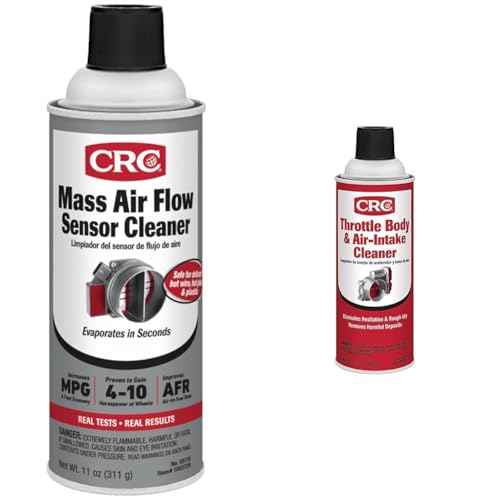
Clean the MAF with CRC Mass Air Flow Sensor Cleaner, never use carburetor cleaner or compressed air, which can damage the delicate hot-wire element. Remove the sensor (two screws), spray the element with short bursts from 6–8 inches away, let it air-dry for ten minutes, and reinstall. If cleaning doesn’t resolve the code, replace the sensor.
How to Diagnose Your Kia Seltos Check Engine Light
Using an OBD-II Scanner to Read Trouble Codes
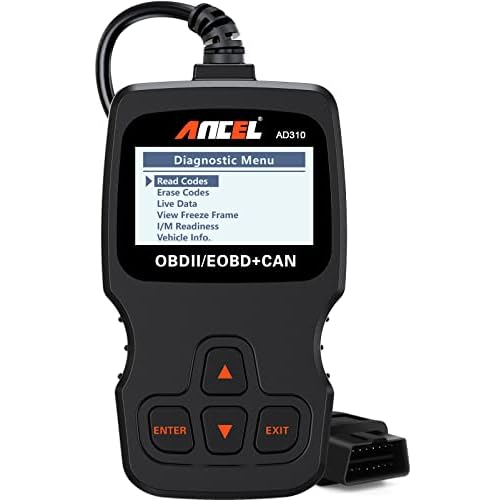
An OBD-II scanner is your first diagnostic tool. Plug it into the 16-pin port located under the driver-side dash, left of the steering column. Turn the ignition to ON (don’t start the engine), and the scanner powers up. Select “Read Codes” to retrieve stored DTCs.
You’ll see codes like P0456 (small EVAP leak) or P0300 (random misfire). Write down every code and its freeze-frame data, engine RPM, coolant temperature, and vehicle speed when the fault occurred. This context helps pinpoint intermittent issues. Affordable scanners like the ANCEL AD310 OBD-II Code Reader read and clear codes, while advanced Bluetooth adapters pair with apps like Torque Pro for live data graphing.
“I bought a $25 Bluetooth OBD dongle and pulled P0455 on my 2022 Seltos. Tightened the gas cap, cleared the code, saved a $100 dealer visit.” via r/kia
Cross-reference codes with Kia’s TSB (Technical Service Bulletin) database or forums. Certain codes, like P1326 (knock sensor) or P0011/P0021 (camshaft position timing), have known patterns in Smartstream engines. Some require software updates from the dealer.
When to Visit a Mechanic vs. DIY Troubleshooting
Handle gas cap replacements, MAF cleaning, and O₂ sensor swaps yourself if you’re comfortable with basic hand tools. These fixes require no special equipment and minimal risk. You’ll save $80–$150 in labor.
Visit a certified Kia technician or ASE mechanic for:
- Flashing CEL or severe misfire codes (P0300–P0308): Requires compression testing, fuel injector diagnosis, or valve inspection.
- Turbocharger faults (1.6T models): Wastegate actuator, boost leaks, or turbo seal replacement demand specialized tools.
- Transmission-related codes (IVT or DCT): Low fluid, solenoid faults, or software calibration updates.
- Catalytic converter replacement: Cutting exhaust and welding new flanges.
- Persistent codes after DIY repairs: May indicate wiring faults, ECU corruption, or multiple interrelated failures.
If your Seltos is under the 5-year/60,000-mile powertrain warranty, let the dealer handle repairs at no cost. Document all maintenance (oil changes, filter swaps) to avoid warranty denials.
How to Reset the Check Engine Light on Kia Seltos
After fixing the underlying issue, reset the CEL using your OBD-II scanner’s “Clear Codes” function. This erases stored DTCs and turns off the light. Drive the vehicle through at least one complete drive cycle, cold start, city driving, highway cruise, cool-down, to let the ECU retest all systems. If the fault persists, the light will return, signaling an incomplete repair.
Without a scanner, disconnect the negative battery terminal for 15 minutes. This clears short-term memory but also resets radio presets, clock, and idle-learning tables. The ECU needs 50–100 miles to relearn optimal fuel trims and idle speed, so expect slightly rough performance initially.
Never ignore a returning CEL. Repeated codes indicate the root problem wasn’t addressed, perhaps you replaced an O₂ sensor but missed a vacuum leak causing the sensor to read incorrectly.
Preventing Future Check Engine Light Issues
Stick to Kia’s maintenance schedule: change engine oil every 7,500 miles (or 6 months) for the 2.0L, every 5,000 miles for the 1.6T. Use 5W-30 full-synthetic meeting API SP or ILSAC GF-6 standards. Low or contaminated oil causes VVT solenoid faults and accelerates turbo wear.
Replace the engine air filter every 15,000–30,000 miles. A clogged filter starves the engine, skewing MAF readings and triggering lean codes. Inspect spark plugs at 30,000 miles (1.6T) or 60,000 miles (2.0L). Replace them if electrodes are worn or gaps exceed 0.044″.
Use Top Tier gasoline to minimize carbon buildup on intake valves and fuel injectors. Avoid prolonged idling, which fouls O₂ sensors and catalytic converters. Schedule an EVAP system smoke test every 50,000 miles to catch vapor leaks before they set codes.
Cost of Repairs for Common Kia Seltos Check Engine Light Problems
Here’s a breakdown of typical repair costs (parts + labor):
| Issue | DIY Parts Cost | Shop Total |
|---|---|---|
| Gas cap replacement | $10–$20 | $50–$80 |
| Oxygen sensor | $40–$120 | $150–$300 |
| MAF sensor cleaning | $8 | $80–$120 |
| MAF sensor replacement | $60–$150 | $200–$350 |
| Spark plugs (set of 4) | $25–$60 | $120–$200 |
| Ignition coil (each) | $30–$80 | $100–$180 |
| Catalytic converter | $400–$1,200 | $1,000–$2,500 |
| EVAP purge valve | $35–$90 | $150–$250 |
Independent shops charge $90–$130/hour: Kia dealers run $120–$180/hour. Always request a written estimate and ask for old parts to confirm replacement. Use warranty coverage whenever possible, powertrain faults on newer Seltos models often qualify for no-cost dealer repairs.
Frequently Asked Questions
What does the check engine light mean on a Kia Seltos?
The check engine light indicates your Seltos’s Engine Control Unit (ECU) detected a fault ranging from a loose gas cap to a failing oxygen sensor or catalytic converter. A solid light means a non-critical issue; a flashing light signals a severe misfire requiring immediate attention to prevent engine damage.
Can I drive my Kia Seltos with the check engine light on?
You can safely drive short distances if the light is solid, but should pull over immediately if it’s flashing. A flashing check engine light indicates severe misfire that risks catalytic converter damage. Always get the vehicle diagnosed at a shop or home promptly.
What are the most common causes of check engine light in Kia Seltos?
Common causes include oxygen sensor failure, loose or faulty gas caps, catalytic converter issues, and mass airflow (MAF) sensor problems. Seltos owners also experience boost-related codes on 1.6T turbocharged models and lean/rich codes on 2.0L naturally aspirated variants.
How do I fix a Kia Seltos check engine light myself?
For DIY fixes, start by checking your gas cap—tighten or replace it if loose or cracked. You can also clean the MAF sensor with specialized cleaner or replace oxygen sensors if comfortable with basic tools. Use an OBD-II scanner to read diagnostic codes first to identify the exact issue.
How much does it cost to fix a check engine light on a Kia Seltos?
Costs vary widely: gas cap replacement runs $50–$80 at a shop; oxygen sensor replacement costs $150–$300; MAF sensor replacement is $200–$350; catalytic converter replacement ranges $1,000–$2,500. DIY repairs save $80–$150 in labor for simple fixes like cap or sensor replacement.
What does the P0441 or P0455 code mean on a Kia Seltos?
Codes P0441 and P0455 indicate EVAP system leaks, commonly caused by a loose, cracked, or missing fuel cap. These are among the easiest and cheapest Seltos check engine light issues to resolve—simply tighten your cap or replace it for under $20, then drive through complete drive cycles to clear the code.
Read More:
- Kia Check Engine Light (Complete Troubleshooting Guide)
- Kia Telluride Check Engine Light (Means and Fast Diagnostic Guide)
- Kia Forte Check Engine Light (Here’s the Complete Diagnostic Guide)
- Kia K5 Check Engine Light (Quick Fixes & Diagnostic Steps)
- Kia Optima Check Engine Light (Means and How to Diagnose)
- Kia Niro Check Engine Light (Here’s the Complete Diagnostic Guide)