
Your Honda Odyssey’s transmission is acting up, and you need answers fast. Whether it’s a shudder at highway speed or a blinking D light on your dashboard, this guide covers every generation.
Honda Odyssey transmission problems have plagued specific model years since 1999, with the most severe failures concentrated in the 1999–2004 second generation and the 2002–2004 models in particular. Common issues include torque converter shudder between 20–60 MPH, harsh delayed shifting, gear slipping under load, and stored OBD-II codes like P0741. Many problems stem from undersized clutch packs, defective torque converters, and fluid degradation, but the fix ranges from a simple TCU software flash and ATF-DW1 fluid change to a full transmission rebuild, depending on your exact model year and symptom pattern.
This guide breaks down every generation’s known defects, the warning signs you’ll feel behind the wheel, root causes, and the most cost-effective repair paths available in 2026.
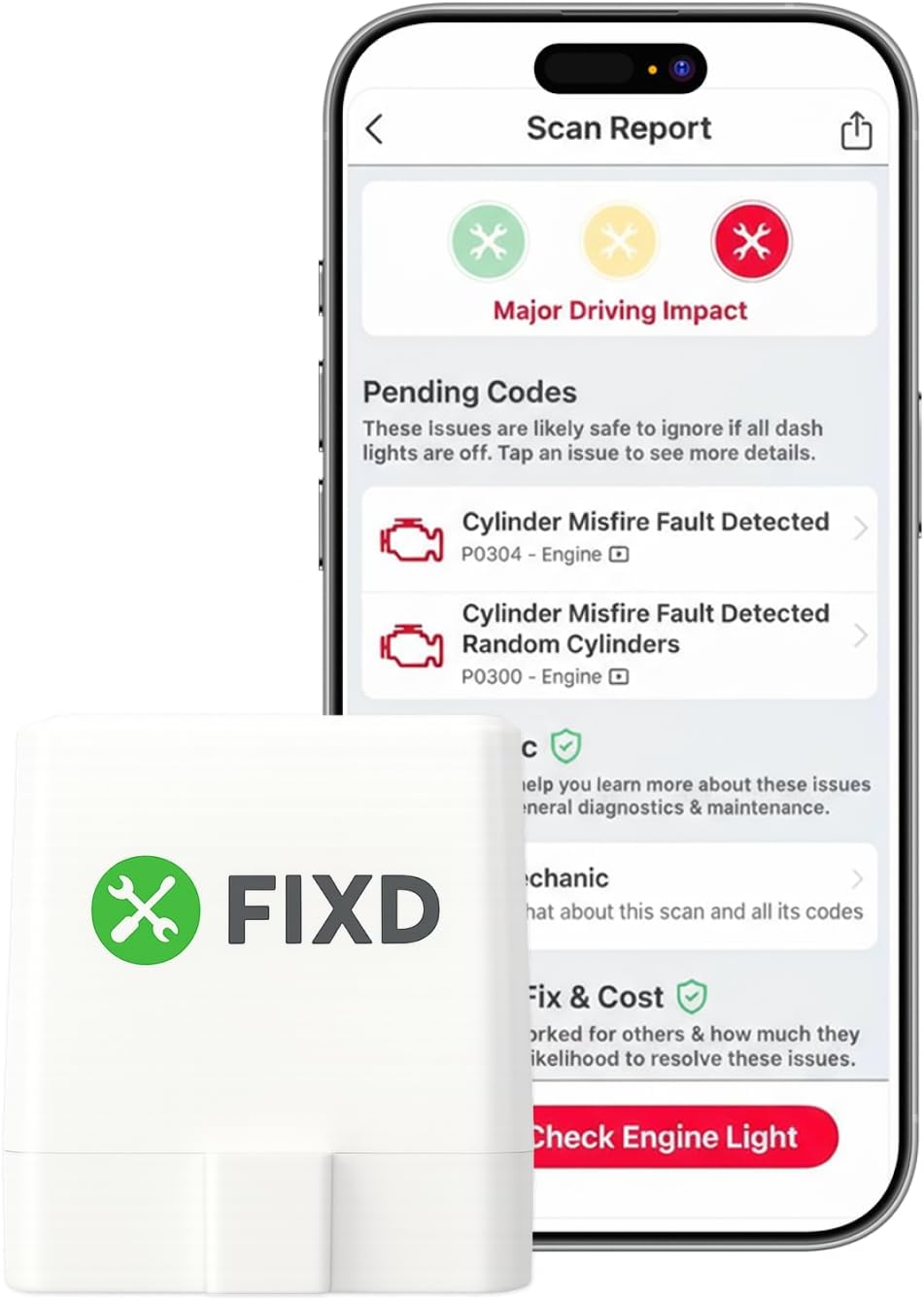
Best Bluetooth OBD2 Scanner
Detect 39,000+ Issues With Enhanced Codes. Save $1000s on car repairs & buying used vehicles by diagnosing problems yourself.
Shop on Amazon
Key Takeaways
- Honda Odyssey transmission problems are most severe in 1999–2004 second-generation models, which suffered premature clutch pack wear and complete failures between 90,000–120,000 miles.
- Common warning signs include torque converter shudder at 20–60 MPH, gear slipping, harsh delayed shifting, and diagnostic trouble codes like P0741, which require immediate attention to prevent costlier repairs.
- Regular transmission fluid changes using genuine Honda ATF-DW1 or ATF Type 3.1 every 30,000–40,000 miles is the single most effective preventative maintenance to extend transmission lifespan.
- Newer models (2018+) with 9-speed and 10-speed transmissions often benefit from TCU software reflashes that resolve rough shifting without hardware replacement, making this the first repair path to explore.
- The 2002, 2003, 2004, 2007, and 2014 model years have the highest transmission complaint volumes, so additional pre-purchase inspections are recommended if considering these generations.
Major Transmission Issues by Generation and Model Year
Honda Odyssey transmission problems vary dramatically across generations. Knowing your model year is the single most important first step before diagnosing anything.
Second-Generation Honda Odyssey (1999–2004)
The second-generation Odyssey used a 4-speed automatic transmission that became one of Honda’s most notorious reliability failures. These units suffered from premature clutch pack wear, especially in the 3rd and 4th gear clutch assemblies. Owners frequently reported complete transmission failure between 90,000 and 120,000 miles. The 2002 and 2003 model years were especially problematic, generating thousands of complaints to NHTSA. Honda eventually extended warranty coverage to 109,000 miles or 7 years for many affected vehicles, but by 2026, nearly all of these are well outside that window. If you own one of these and haven’t replaced the transmission yet, you’re likely on borrowed time, or already on your second unit.
Notable Transmission Problems in the Third Generation
The 2005–2010 third-generation Odyssey moved to a 5-speed automatic. Honda addressed some earlier design flaws, but new issues appeared. Torque converter shudder between 35–55 MPH became a widespread complaint, often triggered by degraded transmission fluid. The symptoms of torque converter judder in the Honda Odyssey V6 feel like driving over rumble strips at steady cruise speeds. A blinking D light on the dashboard frequently accompanied these failures, indicating a stored trouble code. The P0741 trouble code, torque converter clutch circuit stuck off, was especially common in 2007–2008 models.
Improvements and Ongoing Issues in Later Models
The fourth-generation Odyssey (2011–2017) introduced a 6-speed automatic. Fourth generation Honda Odyssey 6-speed automatic problems included harsh downshifting when braking and delayed gear engagement from a stop. The fifth generation (2018–2025) used the ZF-sourced 9-speed automatic, which brought its own headaches: rough shifting between 1st and 2nd gear, hesitation from a complete stop, and software-related hunting between gears. Honda Odyssey 9-speed transmission rough shifting fixes often involved TCU reflashes issued through service bulletins. The newest models use Honda’s 10-speed automatic, which has shown improvement but still reports occasional harsh downshifting under deceleration.
Years With the Most Recalls and Reliability Concerns
The worst model years by complaint volume are 2002, 2003, 2004, 2007, and 2014. According to CarComplaints.com, the 2002 Odyssey holds the record for transmission-related complaints among all Honda vehicles. The 2014 model saw issues with the then-new 6-speed unit under heavy family-hauling loads. If you’re buying a used Odyssey, these years deserve extra scrutiny, and ideally, a pre-purchase transmission inspection.
Common Symptoms and Warning Signs
Recognizing symptoms early can mean the difference between a fluid flush and a full rebuild. Here’s what to watch for.
Transmission Slipping and Slipping Gears
Gear slipping feels like a momentary loss of power, your engine revs climb, but the vehicle doesn’t accelerate. This is most noticeable during moderate acceleration in 2nd or 3rd gear. In older Odysseys (1999–2004), slipping almost always indicates internal clutch pack failure. In newer models, it can point to low fluid pressure from worn pressure switches or a failing torque converter lockup clutch.
Erratic and Delayed Shifting
Shifting delays and gear slipping in Honda Odyssey models manifest differently by generation. Older units experience hard, jerky shifts. The 9-speed models tend to hunt between gears at low speed, creating a “confused” feeling. You might also notice a 2–3 second delay when shifting from Park to Drive, a classic sign of low line pressure. If your 10-speed Odyssey exhibits harsh downshifting when braking, a software update for the Honda Odyssey transmission control unit may resolve it.
“My 2019 Odyssey would hesitate for a solid 2 seconds going from a dead stop. Dealer did a TCU flash and the difference was night and day.” via r/HondaOdyssey
Transmission Fluid Leaks and Overheating
Brown or burnt-smelling fluid on your driveway is a red flag. Blown transmission fluid cooler line symptoms on a Honda Odyssey include sudden fluid loss and rapid overheating during highway driving. The cooler lines on 2005–2010 models are particularly prone to corrosion in northern climates. Overheating accelerates clutch pack degradation and can turn a repairable issue into a full replacement job within a single road trip.
Other Notable Signs of Internal Damage
Watch for these additional warning signs:
- Flashing D light on the dashboard (indicates a stored DTC)
- Metallic particles in the transmission fluid during a drain
- Grinding or whining noise in specific gears
- Check Engine Light with codes P0740, P0741, or P0730
- Vibration at 20–60 MPH that disappears under acceleration (torque converter shudder)
If you’re checking automatic transmission fluid level without a dipstick (common on 2018+ models), you’ll need to use the overflow plug method with the fluid at operating temperature, typically 90–100°F.
Causes and Technical Factors Behind Transmission Failures
Understanding why these transmissions fail helps you make smarter repair decisions.
Design Flaws and Manufacturing Defects
The 1999–2004 transmission used clutch packs that were physically undersized for the torque output of the 3.5L V6 engine. Honda essentially carried over a transmission design intended for lighter loads. This engineering mismatch caused premature clutch wear under the sustained high-torque demands of a fully loaded minivan. The 6-speed units in 2011–2017 models improved clutch capacity but introduced valve body calibration issues that caused harsh engagement.
Impact of Torque Converter and Fluid Lines
The torque converter lockup clutch is the most common single-component failure point across all Odyssey generations. When this clutch wears, it creates the classic shudder between 20–60 MPH. The P0741 trouble code Honda torque converter clutch circuit diagnosis almost always traces back here. Also, corroded transmission fluid cooler lines can introduce air into the system, causing erratic pressure and shifting delays.
Software, TCU, and Related Electronic Problems
The 9-speed and 10-speed transmissions rely heavily on TCU software for shift mapping. Early calibrations on the 2018–2020 models produced rough 1-2 shifts and gear hunting. Honda has released multiple software updates addressing these patterns. A TCU reflash is often the first step your dealer will recommend, and it genuinely resolves many electronic shifting failures. The Honda Owners site lets you check for open service campaigns by VIN.
Role of Maintenance and Transmission Fluid Quality
Fluid quality is the single biggest controllable factor in Odyssey transmission longevity. Honda specifies ATF-DW1 for most models (2011+) and the newer ATF Type 3.1 for 9-speed and 10-speed units. Using incorrect fluid, or neglecting changes, accelerates wear dramatically. How often should you change Honda Odyssey transmission fluid? Every 30,000–40,000 miles under normal conditions, and every 25,000 miles if you regularly haul a full vehicle. A triple drain-and-fill using genuine Honda fluid is the gold standard for a thorough flush.
For DIY fluid changes, a reliable fluid transfer pump makes the job far easier, especially on dipstick-less models.

And if you’re doing your own diagnostics, an OBD-II Bluetooth scanner with transmission code capability like the BlueDriver is an essential tool for pulling P0741 and related codes at home.

“I’ve been doing drain and fills every 30k since new on my 2015 Odyssey. 187k miles and shifting is still smooth. Fluid maintenance is everything on these.” via OdyClub.com
Service, Recalls, and Repair Considerations
Key Recalls and Warranty Extensions
Honda has issued several recalls and warranty extensions for Odyssey transmissions over the years. The most significant was the extended warranty for 1999–2004 models covering transmission replacement up to 109,000 miles. For 2015–2017 models, Honda extended torque converter warranties under specific service bulletins. Always check for open Honda Odyssey transmission recall and extended warranty status by entering your VIN at Honda’s recall lookup page. In 2026, some older extended warranties have expired, but goodwill repairs are still occasionally granted, especially if you have documented maintenance history.
Transmission Rebuild and Replacement Options
When choosing between Honda Odyssey transmission replacement vs. rebuild options in 2026, consider your mileage and the generation. For 1999–2004 models, a remanufactured unit from a reputable supplier is usually the most reliable path. Rebuilds work well for 2005–2017 6-speed units when the issue is isolated to the torque converter or valve body. For 9-speed and 10-speed units, dealer replacement with updated firmware is often the only viable option due to the tight electronic integration.
| Factor | Rebuild | Replacement (Reman) | Dealer New Unit |
|---|---|---|---|
| Best for | Isolated failures | Older high-mileage units | Late-model electronic transmissions |
| Typical turnaround | 3–5 days | 1–2 days | 1–3 days |
| Warranty coverage | Varies (6–24 months) | 12–36 months | 36 months+ |
| OEM software included | No | Sometimes | Yes |
Transmission Replacement and Repair Costs
Repair costs vary widely. A simple TCU reflash and fluid service sits at one end of the spectrum. A dual linear pressure switch replacement falls in the mid-range. A full torque converter swap or complete transmission replacement sits at the other end. Your best move is getting a written diagnostic with specific DTCs before authorizing any major work.
Importance of Regular Fluid Changes and Flushes
The single most effective preventative maintenance for any Honda Odyssey transmission is regular fluid service. Use only genuine Honda ATF-DW1 or ATF Type 3.1 as specified for your model. Avoid universal fluids. A triple drain-and-fill replaces approximately 90% of the fluid and is far safer than a power flush, which can dislodge debris into valve bodies. For active torque transfer system front transaxle fluid on AWD-equipped models, follow Honda’s separate maintenance interval.
Data Insights and Analysis
According to NHTSA complaint data, the Honda Odyssey has accumulated over 3,000 transmission-related complaints since 1999, with the 2002–2004 model years representing roughly 45% of all filings. Consumer Reports’ 2025 reliability survey rated the 2023+ Odyssey’s transmission reliability as “above average”, a significant improvement from the “well below average” scores given to the 2018–2020 9-speed models.
Expert Note: "The root cause of early 9-speed shift quality complaints wasn't mechanical wear, it was conservative shift mapping in the TCU software that prioritized fuel economy over smoothness. Honda's subsequent calibration updates added more aggressive torque converter lockup scheduling and revised shift points under light throttle, which resolved the majority of drivability complaints without any hardware changes."
These data points confirm a clear trend: Honda has steadily improved transmission durability, but older models remain ticking time bombs without proper fluid maintenance. If you own a 2018–2021 Odyssey and haven’t had the latest TCU software applied, schedule that appointment now.
Frequently Asked Questions
What are the most common Honda Odyssey transmission problems?
The most common issues include torque converter shudder between 20–60 MPH, harsh delayed shifting, gear slipping under load, and premature clutch pack failure. The 1999–2004 and 2002–2004 models are most affected, with problems also appearing in 2007–2008 and 2018–2020 9-speed units.
How often should I change Honda Odyssey transmission fluid?
Change transmission fluid every 30,000–40,000 miles under normal driving conditions. If you frequently haul passengers or carry heavy loads, shorten the interval to 25,000 miles. Use only genuine Honda ATF-DW1 or ATF Type 3.1 as specified for your model year.
What does a flashing D light mean on a Honda Odyssey dashboard?
A flashing D light indicates a stored diagnostic trouble code (DTC) in your transmission control unit. This commonly signals issues like torque converter problems or pressure-related faults. Scan the vehicle with an OBD-II reader to identify the specific code (often P0741 or P0740).
Can a TCU software update fix rough shifting on newer Honda Odysseys?
Yes, for 2018+ models with 9-speed or 10-speed transmissions, a TCU reflash often resolves rough 1-2 shifts and gear hunting complaints. Honda released multiple calibration updates addressing these electronic shifting issues. Check your dealer for open service bulletins specific to your model year.
What’s the difference between a transmission rebuild and replacement for a Honda Odyssey?
A rebuild focuses on replacing failed components like the torque converter or valve body, typically costing less and taking 3–5 days. A remanufactured replacement (reman) is a complete unit with a 12–36 month warranty, ideal for older high-mileage models. New dealer units include updated firmware and longest warranties (36+ months).
Which Honda Odyssey model years have the worst transmission reliability?
The 2002, 2003, and 2004 second-generation models have the worst track record, with over 45% of all transmission complaints filed to NHTSA. The 2007–2008 and 2014 models also saw significant issues. The 2023+ transmission rated ‘above average’ in Consumer Reports, showing significant improvement.
Read More:
- Car Transmission Problems (Guide for Automatic, CVT, and Hybrid)
- Acura MDX Transmission Problems (Symptom, Affected Year, and Fix)
- Nissan Altima Transmission Problems (Fixes for CVT Shudder, and Limp Mode)
- Automatic Transmission Problems (Fixes for Slipping Gears, and Hard Shifts)
- GM 10-Speed Transmission Problems (Fixes for Valve Body Wear)
- Honda CVT Transmission Problems (Here’s the Master Fixes)
- Honda Pilot Transmission Problems (The Complete Diagnostic Guide)