
If you’re dealing with acceleration hesitation, violent shuddering from a complete stop, or a glowing transmission warning light on your Hyundai Elantra dashboard, you’re likely facing one of the most common drivetrain complaints affecting both legacy Shiftronic automatics and modern Smartstream IVT configurations.
The root cause of Hyundai Elantra transmission problems typically traces to three critical failure modes: chain-belt variance wear in fluid-driven IVT systems (causing slippage and lag), high-temperature clutch degradation in dry dual-clutch transmissions (triggering violent shuddering), and corrupt or faulty Transmission Control Module (TCM) software calibrations combined with failing shift solenoid valves (resulting in delayed engagement, harsh shifts, and persistent P0700 or P0730 diagnostic trouble codes).
This guide walks you through the exact diagnostic hierarchy used in professional transmission shops, from identifying mechanical symptoms and interpreting OBD2 DTCs like P0867 or P17F0, to isolating system-level root causes, and executing corrective actions ranging from fluid service with SP-IV or proprietary Hyundai IVT fluid to TCM adaptive learning resets and solenoid replacement.
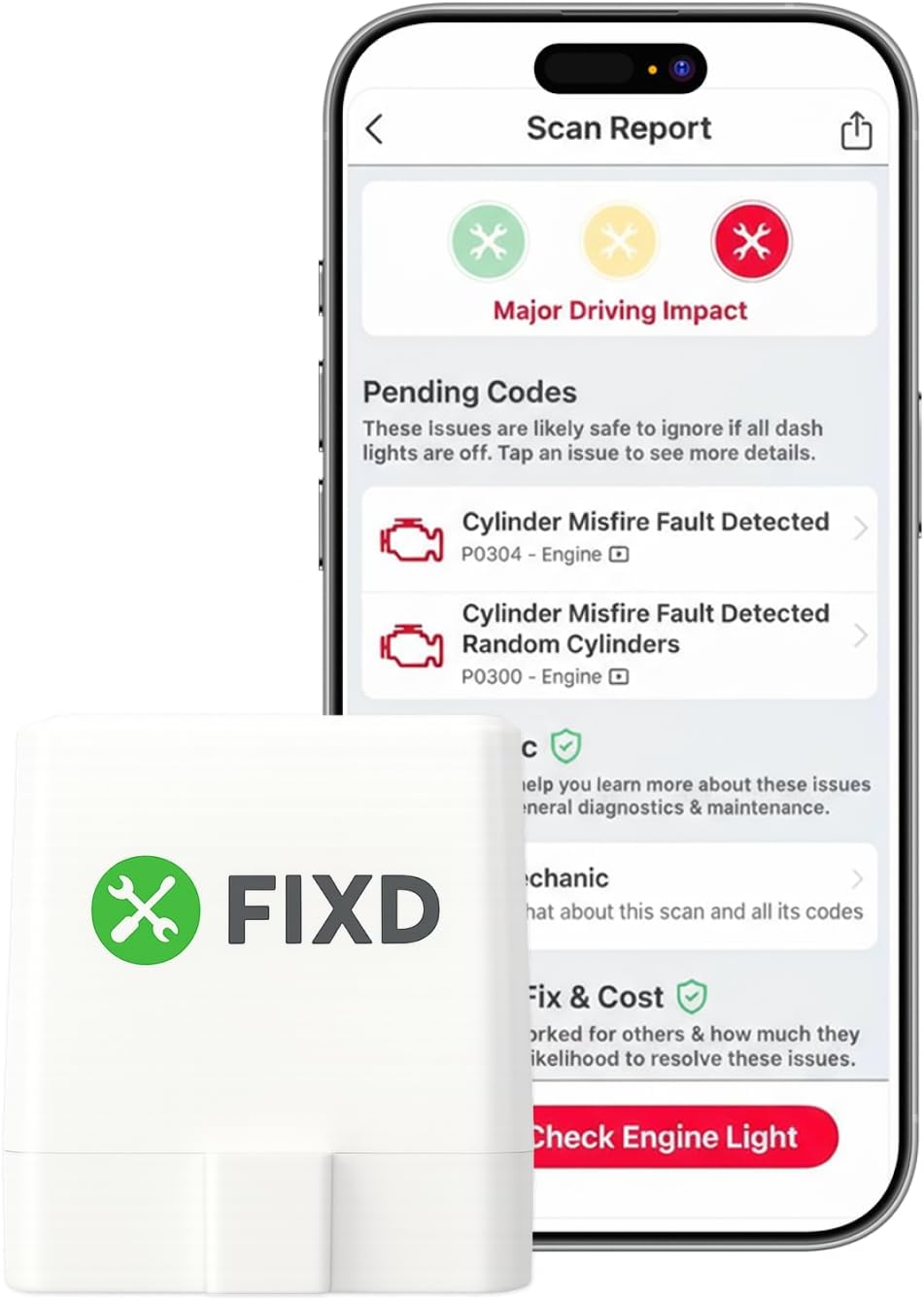
Best Bluetooth OBD2 Scanner
Detect 39,000+ Issues With Enhanced Codes. Save $1000s on car repairs & buying used vehicles by diagnosing problems yourself.
Shop on Amazon
Key Takeaways
- Hyundai Elantra transmission problems stem from three critical failure modes: IVT belt-chain wear causing slippage, dry dual-clutch clutch degradation triggering shuddering, and faulty Transmission Control Module software combined with failing shift solenoids.
- Early warning signs include acceleration hesitation and delayed engagement from Park to Drive, accompanied by tachometer flaring and RPM spikes that indicate inadequate torque transfer through the transmission.
- Hyundai-approved CVT/IVT fluid (part number 00232-19016) is essential for Smartstream IVT transmissions; using generic SP-IV fluid causes belt slippage, overheating, and accelerated wear.
- Transmission fluid leakage, overheating, and warning light codes like P0700, P0730, and P0867 require immediate diagnostic action with a capable OBD2 scan tool to prevent catastrophic failure.
- Transmission rebuilds, remanufactured units, or drain-and-fill fluid services are primary repair options, with 2026 Elantras potentially covered under Hyundai’s 10-year/100,000-mile powertrain warranty if the failure is deemed a manufacturing defect.
- Check the NHTSA Recalls Database and monitor owner forums like Hyundai-Forums.com for emerging transmission issues and technical service bulletins, as multiple recalls and class action lawsuits have resulted in extended warranty coverage and repair reimbursements.
Key Symptoms and Early Warning Signs
Slipping Gears and Delayed Engagement
You press the accelerator, and your Elantra hesitates for a full second or two before lurching forward. This is the hallmark symptom of transmission slipping and acceleration lag, especially in Smartstream IVT-equipped 2021–2026 Elantras. The IVT uses a steel belt running between variable-diameter pulleys, and when that belt develops microscopic wear or when hydraulic pressure drops due to low fluid or clogged filter screens, the belt can’t maintain adequate clamping force. The result? A momentary power disconnect that feels like the transmission is “searching” for a gear.
In older 6-speed Shiftronic automatics (2011–2016), delayed engagement from Park to Drive or Reverse often points to worn clutch packs or low line pressure caused by a failing oil pump. Dry dual-clutch transmissions (7-speed DCT in sportier Elantra GT or N-Line trims) exhibit delayed engagement when the electro-hydraulic clutch actuator loses calibration or when the dual mass flywheel wears unevenly.
You might also notice the tachometer flaring, engine RPM spikes without a corresponding increase in vehicle speed. This is a classic indication that torque isn’t being transferred efficiently through the transmission. In IVT systems, this usually means belt slippage. In conventional automatics, it signals clutch slip or a failing torque converter clutch circuit (often flagged by trouble code P0741).
If you’re experiencing hesitation when accelerating from a dead stop at intersections or on highway on-ramps, immediately check your transmission fluid level and condition. According to Hyundai’s official maintenance schedule, IVT fluid should be inspected every 60,000 miles under normal conditions, or every 30,000 miles under severe duty cycles.
Grinding Noise and Unusual Noises
A grinding, whining, or metallic clunking sound during shifts is never normal. In dry dual-clutch transmissions, a grinding noise or shuddering from a complete stop typically indicates clutch plate wear, loss of clutch pack pre-load, or contamination of the hydraulic clutch actuation circuit. The 7-speed DCT used in 2017–2019 Elantra GT models is particularly prone to low-speed shudder due to the dual-mass flywheel’s damping springs losing tension over time.
IVT-equipped Elantras may produce a high-pitched whine under acceleration if the primary or secondary pulley bearings are failing, or if the steel push belt is experiencing micro-slip against the pulley faces. A rhythmic clicking or ticking noise that changes pitch with vehicle speed often points to a worn input or output pulse generator speed sensor, these hall-effect sensors feed critical data to the TCM, and when they fail, you’ll see codes like P0715 (Input Speed Sensor Circuit Malfunction) or P0720 (Output Speed Sensor Circuit).
Conventional Shiftronic automatics can develop a groaning or growling noise from a failing torque converter, especially during low-speed maneuvering or when the transmission is cold. This is often accompanied by transmission fluid overheating due to excessive internal friction.
Transmission Warning Light and Dashboard Alerts
When the amber transmission warning light or check engine light illuminates on your Elantra’s instrument cluster, the TCM has detected a fault condition and stored one or more Diagnostic Trouble Codes. The most common generic OBD2 code you’ll encounter is P0700 (Transmission Control System Malfunction), this is a “gateway” code that tells you to dig deeper into manufacturer-specific DTCs.
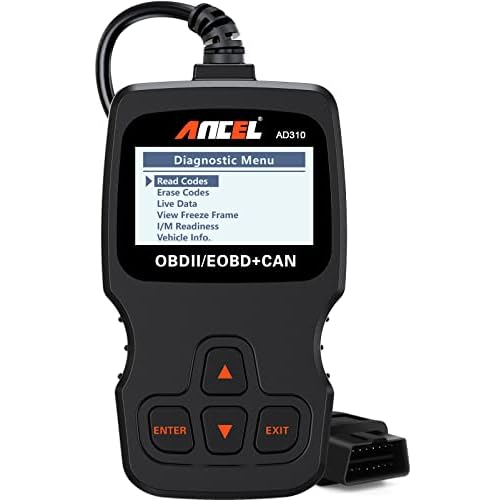
Other frequent codes include P0730 (Incorrect Gear Ratio), P0867 (Transmission Fluid Pressure), and Hyundai-specific codes like P17F0 (Clutch Position Sensor Circuit). You’ll need a capable scan tool, ANCEL AD410 Enhanced OBD II Scanner is an affordable option for reading and clearing codes, or for deeper TCM interrogation, consider the BlueDriver Bluetooth Pro OBDII Scan Tool, which can pull manufacturer-specific DTCs and live data streams.
Flashing warning lights (as opposed to steady illumination) indicate an active, severe fault that can cause drivetrain damage if you continue driving. Pull over safely and have the vehicle towed to avoid catastrophic transmission failure.
Transmission Fluid Leakage and Overheating
Transmission fluid leakage is a critical red flag. Check your driveway or parking spot for reddish-brown or amber puddles. Common leak points on the Elantra include the output shaft seal, transmission pan gasket, and the cooler line connections running to the heat exchanger mounted in the radiator’s end tank.
Low fluid pressure symptoms in Shiftronic and IVT transmissions include harsh or delayed shifts, slipping, and overheating. Without adequate fluid, the hydraulic circuit can’t maintain the line pressure required to engage clutches or clamp the IVT belt. In worst-case scenarios, you’ll experience complete loss of forward or reverse motion.
Overheating is often caused by towing beyond the vehicle’s rated capacity, sustained high-speed driving in hot climates, or a clogged transmission cooler. The transmission fluid temperature sensor monitors ATF temperature: if it fails or reads incorrectly, the TCM may not activate cooling strategies or may throw a P0711 code (Transmission Fluid Temperature Sensor Range/Performance). Testing the fluid temperature sensor’s resistance with a multimeter (typically 2.5–3.0 kΩ at 68°F) is a straightforward diagnostic step.
If you don’t have a traditional dipstick (most 2017+ Elantras do not), you’ll need to check fluid level via the fill plug on the transmission case with the vehicle on a lift, engine running, and ATF at operating temperature (typically 104–113°F). Consult your service manual for the exact procedure.
Common Failure Causes and Major Transmission Types
Design Weaknesses and Fluid Issues
The Hyundai Elantra has been equipped with three distinct transmission architectures over the past 15 years: the traditional 6-speed Shiftronic automatic (2011–2020), the 7-speed dry dual-clutch transmission (2017–2019 GT, 2021+ N-Line), and the Smartstream Intelligent Variable Transmission or IVT (2021–2026 base and SEL trims). Each has unique failure modes.
IVT systems rely on a steel push belt and hydraulic clamping force to vary gear ratios infinitely. The approved automatic transmission fluid type for IVT applications is Hyundai’s proprietary CVT/IVT fluid (part number 00232-19016 or equivalent), which has specific friction modifiers and viscosity characteristics. Using generic SP-IV fluid (designed for conventional automatics) in an IVT can cause belt slippage, overheating, and premature wear. Always verify the fluid specification in your owner’s manual.
Dry dual-clutch transmissions are known for shuddering and rough gear engagement at low speeds, particularly in stop-and-go traffic. Unlike wet-clutch DCTs, the dry design has no fluid bath to absorb heat or dampen engagement shock. Clutch wear accelerates if you frequently “ride” the brake pedal or rest your foot on the clutch in manual mode.
Conventional Shiftronic automatics suffer from torque converter shudder (often misdiagnosed as engine misfire) and valve body wear, particularly in high-mileage units (150,000+ miles). The valve body contains solenoid valves that direct hydraulic pressure: when spool valves stick or solenoid coils fail, you’ll experience erratic shift patterns and codes like P0758 (Shift Solenoid B Electrical).
Electronic and Control System Failures
The Transmission Control Module (TCM) is the brain of your Elantra’s transmission. It interprets inputs from the throttle position sensor, vehicle speed sensors, turbine speed sensor, and transmission fluid temperature sensor to command shift solenoids, pressure control solenoids, and (in DCTs) the clutch actuator motor.
Symptoms of a bad transmission control module include erratic shifting, failure to shift out of a particular gear (limp mode), no communication with the scan tool, and multiple seemingly unrelated DTCs. Corrupt TCM software calibrations, especially after a failed over-the-air update or incomplete reflash, can cause bizarre shift behavior that mimics mechanical failure.
Hyundai has released multiple TCM software updates via Technical Service Bulletins to address shift quality and hesitation issues. For example, TSB 19-AT-006H addressed harsh 2-3 upshifts in 2019 Elantras by recalibrating shift pressure curves.
You can reset transmission adaptive learning data on 2017+ Elantras using a capable scan tool (GDS, Autel MaxiSys, or similar). The TCM stores shift pressure and timing adaptations based on your driving style: clearing these allows the module to relearn from a clean baseline, often improving shift quality after fluid service or solenoid replacement.
Hydraulic and Mechanical Failures
Hydraulic failures stem from low line pressure, clogged filter screens, worn pump rotors, or stuck pressure regulator valves. In IVT transmissions, insufficient hydraulic pressure means the belt can’t be clamped tightly enough against the pulleys, causing slip and eventual belt failure.
Mechanical failures in conventional automatics include broken snap rings, cracked sun gear shells, and worn planetary gear sets. In DCTs, dual-mass flywheel failure (characterized by a rattling noise at idle that disappears when you depress the clutch pedal) is common above 100,000 miles.
Input and output speed sensor failures are frequent on higher-mileage Elantras. These Hall-effect sensors can be tested with a multimeter (expect a square-wave AC voltage signal when the transmission input or output shaft is rotating). Replacement is straightforward: unbolt the sensor from the transmission case, disconnect the wiring harness, and install a new sensor with a fresh O-ring seal.
Repair Options, Costs, and Diagnostic Codes
Transmission Rebuild and Replacement
A transmission rebuild involves disassembling the unit, inspecting all hard parts (gears, shafts, planetary sets), replacing worn friction and steel clutch plates, installing new seals and gaskets, and replacing solenoids and the valve body if necessary. A quality rebuild can restore your Elantra’s transmission to near-new performance.
A remanufactured transmission is a factory-rebuilt unit that has been tested, updated with any revised components, and typically carries a warranty. For 2026 Elantras still under Hyundai’s 10-year/100,000-mile powertrain warranty, drivetrain repairs, including transmission replacement, may be fully covered if the failure is deemed a manufacturing defect.
Always request a detailed written estimate that breaks down parts, labor, core charges, and warranty terms. Reputable shops will provide a 12–36 month warranty on rebuilt transmissions.
Transmission Fluid Service and Maintenance
A proper drain-and-fill service (not a high-pressure flush, which can dislodge debris and clog valve body passages) involves removing the transmission pan, replacing the internal filter, cleaning the pan and magnet, reinstalling with a new gasket, and refilling with the correct fluid type and quantity.
For Smartstream IVT transmissions, use only Hyundai-approved CVT/IVT fluid. For conventional Shiftronic automatics, use Hyundai Genuine ATF SP-IV or SP-IV-RR. Overfilling or underfilling by even half a quart can cause shifting issues, foaming, and overheating.
If you don’t have a dipstick, checking the fluid level requires lifting the vehicle, locating the fill/check plug on the transmission case (driver’s side, mid-case), and verifying that fluid drips slowly from the check hole when the engine is running and the transmission is at operating temperature (typically 104–113°F). This procedure is detailed in the factory service manual and should be performed on a level surface.
Addressing Diagnostic Trouble Codes
When you pull codes with your scan tool, start with the highest-priority or “Type A” codes first. Here’s a quick reference for common Hyundai Elantra transmission DTCs:
- P0700: Transmission Control System Malfunction (gateway code, check for additional TCM codes)
- P0730: Incorrect Gear Ratio (indicates slipping clutches, belt slip in IVT, or valve body wear)
- P0741: Torque Converter Clutch Circuit Performance (shudder, overheating, or TCC solenoid failure)
- P0867: Transmission Fluid Pressure (low line pressure, pump failure, or pressure sensor fault)
- P17F0: Clutch Position Sensor Circuit (DCT-specific: check actuator motor and position sensor)
After repairs, clear the codes and perform a test drive that includes multiple stop-and-go cycles, highway acceleration, and downshift events. Re-scan to confirm no codes return. If a code reappears immediately, the root cause hasn’t been addressed.
Recalls, and Model-Specific Issues
Notable Hyundai Elantra Transmission Recalls
Hyundai has issued multiple recalls and service campaigns related to transmission failures. Always check the NHTSA Recalls Database and enter your VIN to see if your Elantra is affected by an open recall or extended warranty.
Recall campaigns have covered software updates to prevent unintended gear selection, replacement of defective shift cables, and (in some cases) full transmission replacement for units experiencing premature failure.
Impact of Recall 236 and Other Campaigns
Recall 236 addressed a software issue in 2021–2022 Elantras that could cause the transmission to unexpectedly shift into Neutral while driving, a dangerous condition. The remedy was a TCM software update performed at no charge by Hyundai dealers.
Other campaigns have extended warranty coverage for specific transmission components (such as the valve body or DCT actuator) on certain model years. Contact Hyundai Customer Care or check Hyundai’s Owner Resources for details.
Class Action Lawsuits and Owner Feedback
“My 2021 Elantra has been in the shop three times for the same hesitation issue. Dealer updated the software twice, finally replaced the TCM under warranty. It’s better now but still not perfect.” via r/Hyundai
Class action lawsuits have been filed alleging that Hyundai knowingly sold vehicles with defective dual-clutch and IVT transmissions. These lawsuits often result in extended warranty coverage, reimbursement for out-of-pocket repairs, or buyback programs for severely affected vehicles. If you’ve experienced repeated transmission failures, consult with a lemon law attorney in your state.
Owner forums like Hyundai-Forums.com and the Elantra subforum on Reddit are valuable resources for tracking emerging issues, sharing TSB numbers, and learning from other owners’ repair experiences. Real-world feedback often surfaces problems months before official recalls are announced.
Frequently Asked Questions
What are the most common Hyundai Elantra transmission problems?
The three critical Hyundai Elantra transmission problems include IVT belt-variance wear causing slippage and lag, high-temperature clutch degradation in dry dual-clutch transmissions triggering shuddering, and faulty Transmission Control Module software combined with failing solenoid valves resulting in harsh shifts and diagnostic trouble codes.
Why is my Hyundai Elantra hesitating during acceleration?
Acceleration hesitation in Hyundai Elantra transmissions typically stems from IVT belt slippage due to low hydraulic pressure, worn clutch packs in conventional automatics, or low transmission fluid levels. Check your fluid level and condition immediately; Hyundai recommends inspection every 60,000 miles under normal driving.
What transmission fluid should I use in a Smartstream IVT Elantra?
Use only Hyundai-approved CVT/IVT fluid (part number 00232-19016 or equivalent). Generic SP-IV fluid designed for conventional automatics can cause belt slippage, overheating, and premature wear in IVT systems. Always verify the correct fluid specification in your owner’s manual.
How do I check transmission fluid level without a dipstick on newer Elantras?
Lift the vehicle on a level surface, locate the fill/check plug on the transmission case (driver’s side, mid-case), and verify fluid drips slowly with the engine running at operating temperature (104–113°F). Consult your factory service manual for the exact procedure, as most 2017+ Elantras lack traditional dipsticks.
What do common Hyundai Elantra transmission trouble codes mean?
P0700 is a gateway code indicating a TCM malfunction; P0730 suggests slipping clutches or belt slip; P0867 signals low transmission fluid pressure; P0741 indicates torque converter clutch issues; P17F0 is specific to dual-clutch actuator problems. Scan tools like BlueDriver can retrieve manufacturer-specific codes for deeper diagnostics.
Are Hyundai Elantra transmission issues covered under warranty?
Hyundai’s 10-year/100,000-mile powertrain warranty covers drivetrain repairs if failures are deemed manufacturing defects. Multiple recalls have addressed transmission software issues and premature failures. Check the NHTSA Recalls Database with your VIN and contact Hyundai Customer Care about extended coverage for your specific model year.
Read More:
- Dodge Ram Transmission Problems (Fixes for Every Model Year)
- GM 10-Speed Transmission Problems (Fixes for Valve Body Wear)
- Automatic Transmission Problems (Fixes for Slipping Gears, and Hard Shifts)
- Acura TL Transmission Problems (Fixes for Clutch Failure, and Overheating)
- Honda Ridgeline Transmission Problems (Diagnosing Fluid Fixes)
- Hyundai Transmission Problems (Guide to Diagnosing the Issue)