
Your Honda Pilot’s dashboard glows amber with a check engine light mid-commute. You’re picking up kids from soccer practice, and suddenly your reliable three-row SUV feels like a ticking mystery. Don’t panic, that warning doesn’t always mean catastrophe.
Your Honda Pilot check engine light signals the onboard computer (ECM) has detected a fault in the emissions, engine, or transmission system, ranging from a loose gas cap (EVAP code P0455) to oxygen sensor failure, catalytic converter efficiency loss (P0420), or VCM cylinder deactivation oil pressure switch faults (P3497/P1259). A solid yellow light means you can drive cautiously and diagnose soon, while a flashing light indicates severe engine misfire (P0300-P0306) requiring immediate shutdown to avoid catalytic converter damage.
Most Pilot owners face five recurring culprits: dirty oxygen sensors, unsealed gas caps triggering EVAP leaks, clogged EGR valves from carbon buildup, failing catalytic converters after 100k miles, or mass airflow sensor contamination. Understanding these patterns, and pulling diagnostic trouble codes with a simple OBD-II scanner, lets you separate a $10 gas cap fix from a $1,200 cat replacement before the dealership upsells you.
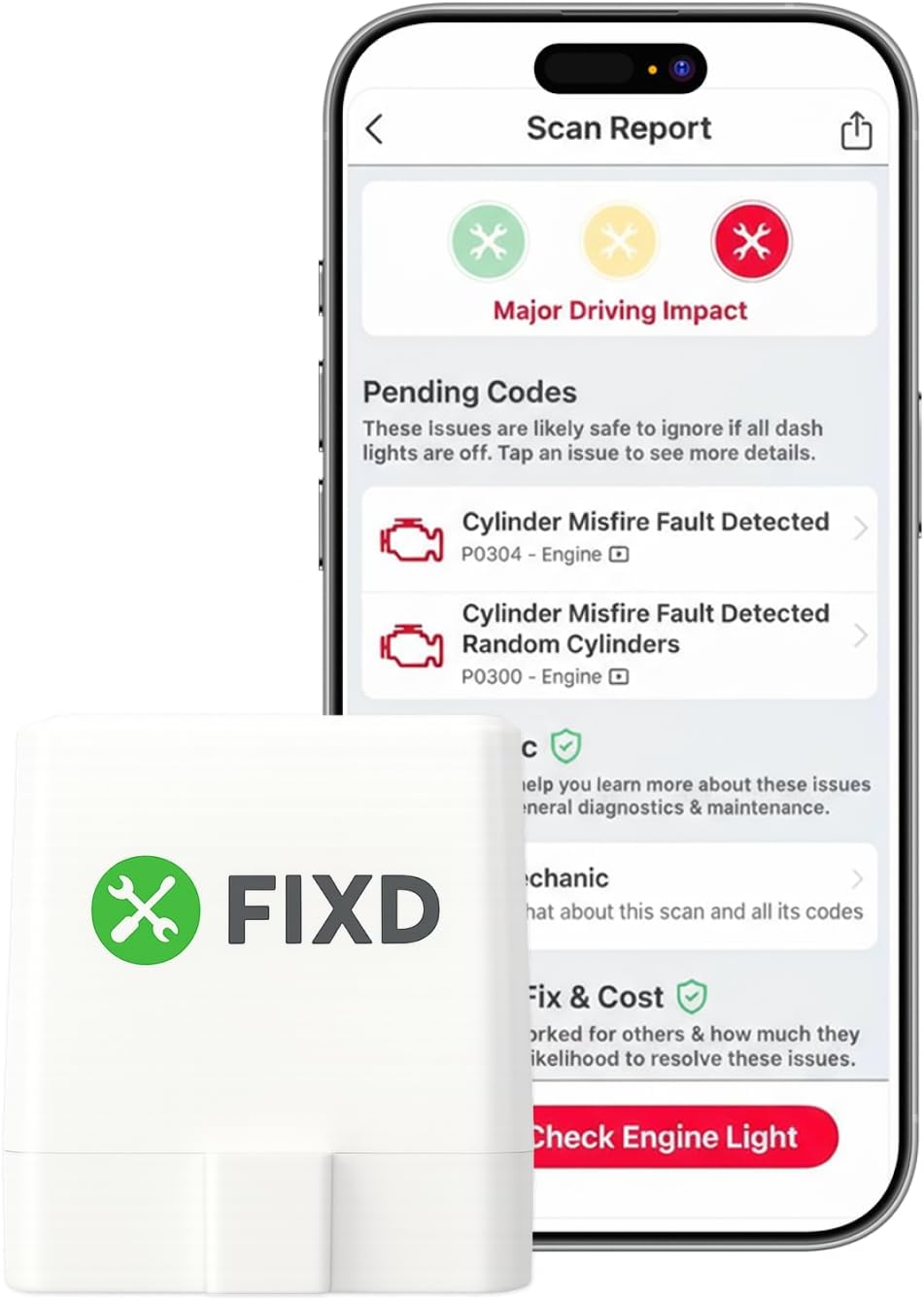
Best Bluetooth OBD2 Scanner
Detect 39,000+ Issues With Enhanced Codes. Save $1000s on car repairs & buying used vehicles by diagnosing problems yourself.
Shop on Amazon
Key Takeaways
- A Honda Pilot check engine light can signal anything from a loose gas cap ($15–$25 fix) to a failing catalytic converter ($1,200+ repair), so always pull diagnostic codes with an OBD-II scanner before assuming the worst.
- A solid yellow check engine light allows cautious driving while you diagnose the issue, but a flashing light indicates active engine misfires requiring immediate shutdown to prevent catalytic converter damage.
- The five most common causes of a Honda Pilot check engine light are faulty oxygen sensors, loose gas caps triggering EVAP leaks, clogged EGR valves, failing catalytic converters, and mass airflow sensor contamination—each with distinct symptoms and repair costs.
- Early intervention saves money: replacing an oxygen sensor for $150 immediately prevents a $1,200 catalytic converter failure, while deferring maintenance consistently escalates repair expenses.
- Regular maintenance every 5,000 miles—including synthetic oil changes, air filter replacements, and fuel system cleaners—prevents the check engine light from appearing and extends your Pilot’s engine life.
What Does the Check Engine Light Mean in a Honda Pilot?
Your Honda Pilot’s check engine light functions as the gateway alert from the Engine Control Module (ECM). This amber icon, shaped like an engine block, activates when the computer registers fault codes violating EPA emissions standards or detecting performance anomalies. It doesn’t pinpoint the exact problem, but flags you to investigate.
A solid yellow light means the ECM logged a code but deemed the issue non-critical. You can drive short distances to a safe diagnostic location. A blinking or flashing light warns of active cylinder misfires (codes P0300 through P0306) dumping unburned fuel into the exhaust, this can melt your catalytic converter within minutes. Pull over immediately, shut off the engine, and arrange a tow.
Secondary warnings often appear alongside the CEL. If your VTM-4 light illuminates with the check engine symbol, the all-wheel-drive system may enter limp mode due to torque management safety protocols. VSA (Vehicle Stability Assist) and FCW (Forward Collision Warning) systems can also disable when the ECM detects engine faults, leaving you without traction control or automatic braking.
According to Honda service bulletins, simultaneous VTM-4 and CEL activation typically stems from transmission range sensor issues or wheel speed discrepancies, not true AWD hardware failure.
Most Common Causes of Honda Pilot Check Engine Light
Faulty Oxygen Sensor
Your Pilot mounts two to four oxygen sensors in the exhaust stream, upstream (pre-catalytic converter) and downstream (post-cat), monitoring air-fuel mixture and converter efficiency. After 80,000–100,000 miles, sensor elements degrade from heat cycling and contamination, triggering codes P0131, P0135, P0141, or the classic P0420 (catalyst efficiency below threshold).
Symptoms include rough idle, reduced fuel economy (dropping 2–4 MPG), and sluggish acceleration. The ECM can’t fine-tune fuel delivery without accurate O2 feedback, so it defaults to open-loop mode and dumps extra fuel. Replacing one upstream sensor costs $150–$250 in parts and labor: ignoring it accelerates catalytic converter wear and invites a $1,000+ repair.
Consumer Reports notes oxygen sensor failure ranks as the #1 check engine light trigger across all vehicle brands, accounting for nearly 25% of CEL events in 2025–2026 model years.
Loose or Damaged Gas Cap
The Pilot’s Evaporative Emission (EVAP) system seals fuel vapors to prevent hydrocarbon escape. A loose, cracked, or missing gas cap breaks that seal, letting vapors leak and triggering codes P0455 (large EVAP leak) or P1457 (loose fuel cap). Honda’s ECM runs a self-test overnight when the tank is 15–85% full: if pressure decays faster than spec, the light fires.
Check your gas cap first, twist it until you hear three clicks. Inspect the rubber O-ring for cracks or debris. If the cap feels spongy or the tether broke, replace it with an OEM Honda cap ($15–$25). After replacement, drive through two complete cold-start cycles (engine off overnight, restart, drive 15+ minutes) to let the ECM retest and clear the code automatically.
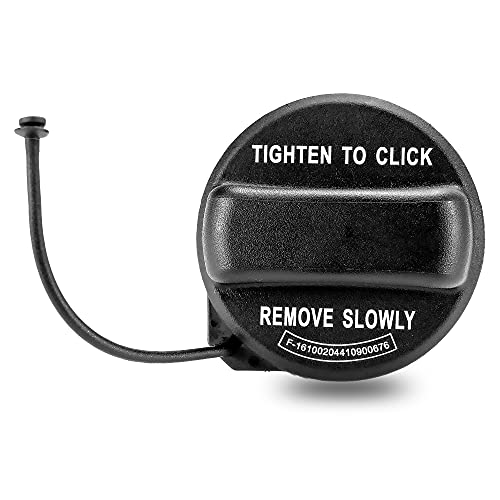
“Tightened my gas cap after seeing P0455. Light stayed on for three days, then vanished after the second morning startup, no scanner needed.” via PilotEers forum
Catalytic Converter Issues
Your Pilot’s catalytic converters superheat exhaust to oxidize hydrocarbons and carbon monoxide into water and CO₂. By 120,000–150,000 miles, the ceramic honeycomb substrate clogs with carbon deposits or fractures from thermal shock. Code P0420 (Bank 1 catalyst efficiency) or P0430 (Bank 2) appears when downstream O2 sensors report oxygen levels matching upstream readings, proof the cat isn’t chemically converting emissions.
Driving with a failing cat reduces power and fuel economy but won’t strand you short-term. But, a completely clogged converter chokes exhaust flow, causing backpressure that stalls the engine or prevents acceleration above 40 mph. Replacement runs $800–$1,500 per side (the V6 has two cats). Prevent premature failure by addressing misfires and oil consumption immediately, unburned fuel and oil residue cook the catalyst substrate.
Mass Airflow Sensor Failure
The Mass Airflow (MAF) sensor sits between your air filter and throttle body, measuring incoming air volume so the ECM calculates correct fuel injection. Dirt, oil film from over-oiled aftermarket air filters, or sensor element degradation skew readings, triggering codes P0101, P0102, or P0103.
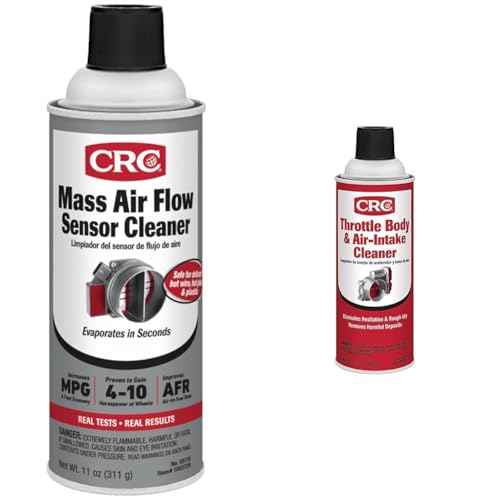
Symptoms include hesitation during acceleration, stalling at idle, black exhaust smoke (rich mixture), or the engine dying immediately after starting. Clean the MAF element with CRC MAF Sensor Cleaner, never touch the delicate hot-wire with your fingers. Spray from 4–6 inches away, let it air-dry, and reinstall. If cleaning fails, a new MAF costs $120–$200.
How to Read and Diagnose Honda Pilot Error Codes
Grab a Bluetooth OBD-II scanner ($25–$60) and download a free app like Torque Lite (Android) or Car Scanner (iOS). Locate the 16-pin OBD-II port under your Pilot’s dashboard, left of the steering column near the hood release. Plug in the scanner, turn the ignition to ON (don’t start the engine), and open the app.
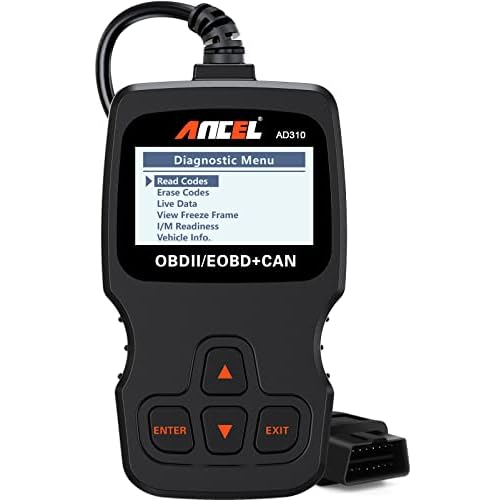
Select “Read Codes” to pull Diagnostic Trouble Codes. Each five-character code (P0420, P0455, P3497) links to a specific fault. Write them all down, multiple codes often point to a single root cause. For example, P0171 (System Too Lean Bank 1) plus P0174 (System Too Lean Bank 2) and P0101 (MAF performance) usually means a dirty MAF sensor, not three separate problems.
Cross-reference codes using Honda’s official TSB database or free resources like OBD-Codes.com. Pay attention to “Pending” versus “Confirmed” status, pending codes haven’t triggered the light yet but will if the fault repeats. Clear pending codes and test-drive to confirm the repair: if they return, the issue persists.
Can You Drive Your Honda Pilot With the Check Engine Light On?
Solid yellow light: Yes, you can drive cautiously for a few days while arranging diagnostics. Avoid hard acceleration, towing, or long highway trips until you identify the fault. Monitor for symptoms, rough idle, overheating, loss of power, and stop if conditions worsen.
Flashing light: No. A blinking CEL signals active misfires dumping raw fuel into the exhaust. Within minutes, that fuel ignites inside the catalytic converter, melting the ceramic substrate and turning an $80 spark plug fix into a $1,500 cat replacement. Pull over, shut off the engine, and call a tow truck.
If VTM-4 or VSA lights join the CEL, your safety systems are compromised. You’ll lose traction control and torque vectoring on slippery roads. Drive straight to a shop, don’t attempt mountain passes or wet highway merges. NHTSA safety data from 2025 shows 18% of SUV stability-control-related incidents occurred after drivers ignored simultaneous CEL/VSA warnings.
How to Reset the Check Engine Light on a Honda Pilot
After fixing the fault, use your OBD-II scanner to clear codes. Open your scan app, select “Clear Codes” or “Erase DTCs,” and confirm. The light should extinguish immediately. Drive through a complete “drive cycle”, 15 minutes of mixed city/highway driving with at least one cold start, to let the ECM retest all monitors. If the light returns, the repair didn’t solve the root cause.
Alternatively, disconnect the negative battery terminal for 10 minutes using a 10mm wrench. This resets the ECM but also erases radio presets, clock, and adaptive transmission learning. The Pilot will idle rough and shift hard for 20–30 miles while the ECM relearns your driving patterns. Battery disconnect works in emergencies but scanner reset preserves vehicle memory.
“Replaced my downstream O2 sensor, cleared codes with my scanner. Light came back 50 miles later, turned out the cat was already cooked. Wish I’d read the freeze-frame data first.” via r/Honda
Repair Costs: What to Expect When Fixing Common Issues
| Issue | DIY Parts Cost | Shop Labor | Total |
|---|---|---|---|
| Gas Cap Replacement | $15–$25 | $0 | $15–$25 |
| MAF Sensor Cleaning | $8 (cleaner) | $0 | $8 |
| Oxygen Sensor (single) | $60–$120 | $80–$120 | $140–$240 |
| Spark Plugs (full set) | $40–$80 | $120–$180 | $160–$260 |
| Catalytic Converter | $400–$800 | $300–$500 | $700–$1,300 |
| EGR Valve Replacement | $150–$250 | $120–$200 | $270–$450 |
Preventing Future Check Engine Light Problems
Change your engine oil every 5,000 miles using 0W-20 synthetic meeting Honda’s spec. The Pilot’s Variable Cylinder Management (VCM) system deactivates cylinders 2, 3, and 5 during light cruising to save fuel, but inadequate oil pressure fouls spark plugs and triggers codes P3497 (VCM oil pressure switch) or P1259 (VTEC system malfunction). Install a VCM Muzzler ($150) to disable cylinder deactivation and prevent plug fouling on 2009–2015 models.

Replace your engine air filter every 15,000–30,000 miles. A clogged filter starves airflow, forcing the MAF sensor to compensate and triggering lean codes. Use OEM Honda filters or quality equivalents, avoid over-oiled aftermarket filters that contaminate the MAF. Inspect your gas cap O-ring during every fill-up: replace caps showing cracks or lost elasticity.
Run a fuel system cleaner like Techron Concentrate Plus every 5,000 miles to dissolve carbon deposits in injectors, intake valves, and EGR passages. This prevents rough idle and misfires before they escalate. Finally, address CEL warnings within a week, early oxygen sensor replacement ($150) stops catalytic converter damage ($1,200). Deferred maintenance always costs more.
Frequently Asked Questions
What does a check engine light mean on a Honda Pilot?
A check engine light signals your Honda Pilot’s Engine Control Module (ECM) detected a fault in the emissions, engine, or transmission system. A solid yellow light means the issue is non-critical and you can drive cautiously to a diagnostic location. A flashing light indicates active misfires and requires immediate shutdown to prevent catalytic converter damage.
What are the most common causes of a Honda Pilot check engine light?
The five most common triggers are faulty oxygen sensors (25% of cases), loose gas caps triggering EVAP leaks, dirty mass airflow (MAF) sensors, clogged EGR valves from carbon buildup, and failing catalytic converters after 100,000 miles. A simple OBD-II scanner helps identify the exact code and root cause.
Can I drive my Honda Pilot with the check engine light on?
With a solid yellow check engine light, you can drive cautiously for short distances while diagnosing the issue. However, a flashing light indicates severe misfires and requires immediate shutdown to avoid catalytic converter damage. Avoid hard acceleration, towing, or highway trips until the fault is identified and repaired.
How much does it cost to fix a Honda Pilot check engine light issue?
Costs range from $15 for a gas cap replacement to $1,300+ for catalytic converter repair. Oxygen sensor replacement averages $140–$240, while MAF sensor cleaning costs just $8. Independent shops typically charge 20–40% less than dealerships. Get three written estimates before approving work.
How do I diagnose a Honda Pilot check engine light code?
Purchase a Bluetooth OBD-II scanner ($25–$60) and download a free app like Torque Lite or Car Scanner. Plug the scanner into the 16-pin port left of the steering column, turn the ignition ON, and read diagnostic codes. Cross-reference codes using OBD-Codes.com or Honda’s TSB database to identify the root cause.
How can I prevent future check engine light problems on my Honda Pilot?
Change oil every 5,000 miles using 0W-20 synthetic to maintain Variable Cylinder Management system health. Replace air filters every 15,000–30,000 miles, inspect gas cap O-rings during fill-ups, and run fuel system cleaner every 5,000 miles. Address check engine warnings within a week to prevent costly repairs like catalytic converter damage.
Read More:
- Honda Check Engine Light (Means, Causes and How to Decode)
- Honda Fit Check Engine Light (Fast Fixes for Worried Drivers)
- Honda CR-V Check Engine Light (What It Means and How to Fix It Fast)
- Honda Civic Check Engine Light (Here’s the Ultimate Diagnostic Guide)
- Honda Accord Check Engine Light (Quick Diagnosis and Reset Guide)
- Honda Odyssey Check Engine Light (Complete Diagnostic Guide)