
That glowing amber icon on your Mazda 3 dashboard isn’t just a gentle suggestion, it’s your car’s direct line to you. The check engine light can pop up for dozens of reasons, from a loose gas cap to a failing catalytic converter, and knowing which one is causing your warning can save you hundreds in shop fees.
Your Mazda 3’s check engine light activates when the onboard computer (ECU) detects a problem in the engine management, emissions, or fuel system, triggered by anything from a faulty oxygen sensor to ignition misfires in high-compression SkyActiv engines. The first step is reading the diagnostic trouble code (DTC) with an OBD-II scanner to pinpoint the exact failure.
Whether you’re driving a 2.0L sedan, a SkyActiv-G hatchback, or a turbocharged 2.5T variant, this guide walks you through the most common Mazda 3 check engine light causes, how to read error codes, and step-by-step fixes you can tackle at home.
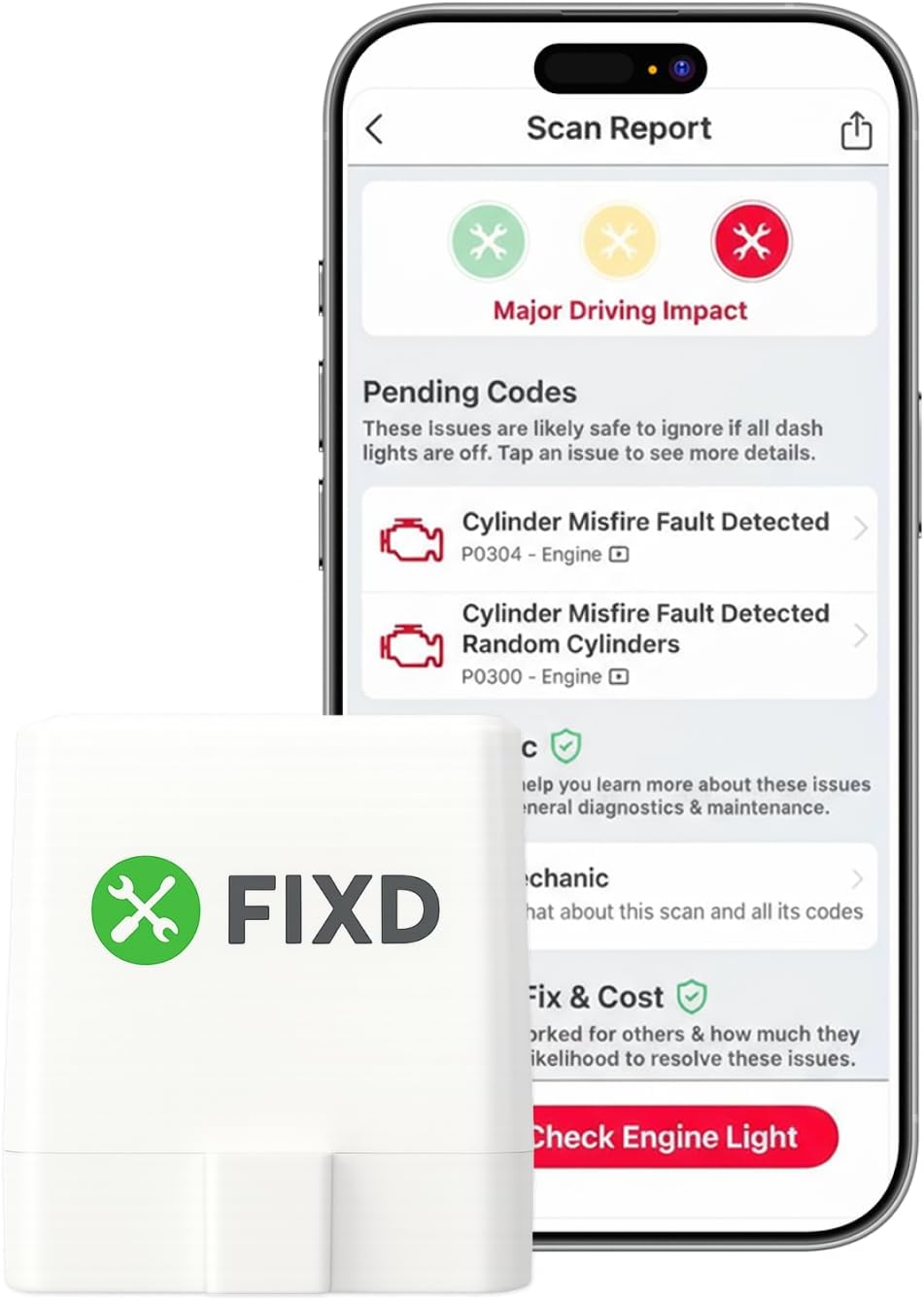
Best Bluetooth OBD2 Scanner
Detect 39,000+ Issues With Enhanced Codes. Save $1000s on car repairs & buying used vehicles by diagnosing problems yourself.
Shop on Amazon
Key Takeaways
- A Mazda 3 check engine light indicates the ECU detected an issue in the engine, emissions, or fuel system; a flashing light signals an active misfire requiring immediate attention, while a solid light allows safe diagnosis.
- The most common causes of a check engine light in Mazda 3 models are faulty oxygen sensors, loose gas caps, catalytic converter degradation, MAF sensor contamination, and spark plug misfires—each triggered by specific diagnostic trouble codes.
- Reading your check engine light code with an OBD-II scanner is essential for accurate diagnosis and prevents expensive guesswork; DIY fixes like gas cap replacement, spark plugs, and oxygen sensor swaps can save 50-70% on labor costs.
- Preventive maintenance including spark plug replacement every 30,000-40,000 miles, monthly oil level checks, and annual gas cap inspection are your best defense against future check engine light warnings on SkyActiv engines.
- After fixing the underlying issue, clear the check engine light using your OBD-II scanner’s code clear function, then complete a full drive cycle to allow the ECU to rerun self-tests and confirm the repair.
Understanding Your Mazda 3’s Check Engine Light
What the Check Engine Light Actually Tells You
Your Mazda 3’s check engine light is the visible output of the ECU’s self-diagnostics. The moment any sensor reads a value outside its expected range, whether it’s air-fuel ratio, ignition timing, or exhaust emissions, the computer logs a diagnostic trouble code and lights up your dashboard.
A solid light means the ECU detected a persistent issue that isn’t immediately damaging, like a faulty oxygen sensor or EVAP leak. A flashing light signals an active misfire that can overheat your catalytic converter and cause serious engine damage. If your light is flashing, pull over safely and address it immediately.
Mazda’s high-compression SkyActiv engines are especially sensitive to fuel quality and ignition health. Even a single weak spark plug can trigger a misfire code in cylinder 2 or 4 on 2014-2018 models. You won’t know the exact problem until you pull the code, but understanding the light’s behavior gives you a head start on diagnosis.
Most Common Causes of Check Engine Light in Mazda 3
Faulty Oxygen Sensor
Oxygen sensors monitor exhaust gases and help your ECU fine-tune the air-fuel mixture. Mazda 3 models, especially 2010-2013 2.0L variants, frequently throw P0133, P0134, or P0420 codes related to sluggish or failed O2 sensors. Symptoms include rough idle, reduced fuel economy, and hesitation during acceleration.
The upstream (pre-cat) sensor is the most critical and typically fails between 80,000 and 120,000 miles. You’ll find it threaded into the exhaust manifold or downpipe. Replacement takes about 30 minutes with a 22mm oxygen sensor socket and a quality aftermarket sensor like a Denso or Bosch unit.

Loose or Damaged Gas Cap
Before you panic, check your gas cap. A loose, cracked, or missing cap allows fuel vapors to escape, triggering the EVAP system and lighting up P0440, P0442, or P0455 codes. This is the most common, and cheapest, check engine light fix on any Mazda 3.
Tighten the cap until you hear three clicks. If the rubber seal looks worn or the tether is damaged, replace it with an OEM or quality aftermarket cap. Drive through 2-3 complete drive cycles (cold start, highway run, city driving) and the light should clear on its own if that was the only issue.
Catalytic Converter Issues
P0420 (catalyst efficiency below threshold) is infamous on 2004-2009 Mazda 3 models with higher mileage. The catalytic converter’s honeycomb structure degrades over time, especially if you’ve been running rich due to a bad O2 sensor or ignoring misfires.
Before replacing a $600-$1,200 converter, verify the upstream and downstream O2 sensors are functioning. A failed downstream sensor can mimic a bad cat. Use an OBD-II scanner with live data like the BlueDriver Bluetooth Pro to compare pre- and post-cat oxygen readings. If they mirror each other, your cat is likely toast.
Mass Airflow Sensor Problems
The MAF sensor measures incoming air so the ECU can calculate the correct fuel delivery. Mazda 3 MAF sensors get contaminated by oil vapors, dirt, and aftermarket air filter oils, triggering P0101 or P0102 codes and causing rough idle, stalling, or poor throttle response.
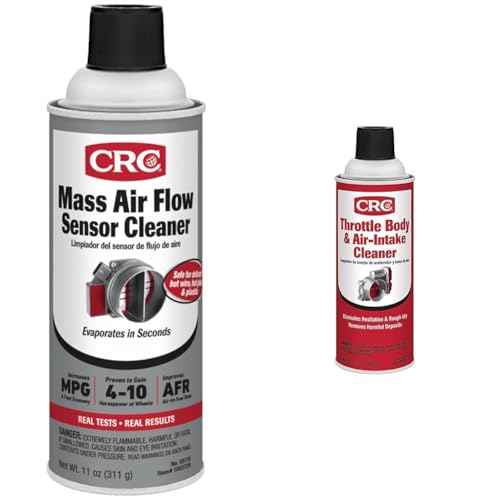
You can clean the MAF’s delicate hot-wire element with dedicated MAF sensor cleaner, never use carburetor or brake cleaner. Remove the sensor from the intake tube, spray gently, and let it air-dry for 10 minutes. If cleaning doesn’t help, replacement is straightforward with two bolts and an electrical connector.
How to Read and Diagnose Mazda 3 Error Codes
You need an OBD-II scanner to read the codes stored in your Mazda 3’s ECU. The 16-pin diagnostic port sits under the dashboard, left of the steering column. Plug in your scanner, turn the ignition to ON (engine off), and press “Read Codes.”
Entry-level code readers display the P-code but not much else. Serious DIYers should invest in a Bluetooth scanner like BlueDriver or Autel AP200, which pairs with a smartphone app to show live sensor data, freeze frame snapshots, and Mazda-specific codes. This lets you see real-time MAF readings, O2 voltage swings, and coolant temperature while the engine runs.
Once you’ve pulled the code, search it alongside “Mazda 3” and your generation. Mazda3Revolution forums and Mazda 3 Owners Club have thousands of threads detailing which codes mean spark plug swaps, which point to carbon buildup, and which require a mechanic. Don’t clear the code until you’ve fixed the root cause, it’ll just come back.
What to Do When Your Mazda 3 Check Engine Light Comes On
First, note whether the light is solid or flashing. Solid means you can drive carefully to a safe location and diagnose it soon. Flashing means stop driving immediately, you have an active misfire that can destroy your catalytic converter.
Pull the code with your OBD-II scanner, then cross-reference it. P0300-P0304 (random or cylinder-specific misfire) calls for spark plug and ignition coil inspection. P0126 (coolant thermostat below regulation) is a known issue on 2010-2013 Mazda 3 models and requires thermostat replacement. P0171 or P0174 (system too lean) often points to a vacuum leak or dirty MAF.
“Got a P0126 on my 2012 Mazda 3. Swapped the thermostat myself in 45 minutes and the light cleared after two drive cycles. OEM part was $35 from RockAuto.” via r/mazda3
If you’re not comfortable with DIY diagnosis, at least pull the code before heading to a shop. It prevents guesswork billing and gives you negotiating power.
Cost to Fix Common Mazda 3 Check Engine Light Issues
Repair costs vary widely based on the root cause:
- Gas cap: $10-$25 (DIY)
- Spark plugs (set of four): $30-$60 parts + $80-$150 labor
- Ignition coil (single): $40-$90 parts + $60-$120 labor
- Oxygen sensor: $60-$180 parts + $80-$150 labor
- MAF sensor: $80-$200 parts + $60-$100 labor
- Thermostat (P0126): $25-$60 parts + $100-$180 labor
- Catalytic converter: $600-$1,500 parts + $150-$300 labor
DIY-friendly fixes, gas cap, spark plugs, O2 sensors, can save you 50-70% on labor. More involved jobs like catalytic converter replacement or intake valve carbon cleaning (common on SkyActiv-G engines) are best left to a Mazda specialist or independent shop with direct-injection experience.
How to Reset Your Mazda 3 Check Engine Light
After fixing the underlying issue, you can reset the light in two ways. The safest method is using your OBD-II scanner’s “Clear Codes” function. This erases stored DTCs and resets readiness monitors, but the light will return if the problem persists.
The manual reset involves disconnecting your battery’s negative terminal for 15 minutes. This clears all ECU memory, including radio presets and seat settings. It’s a last-resort move and won’t stop the light from returning if the fault is still active.
“After swapping coils on cylinder 3, I cleared the P0303 code with my $25 Amazon scanner. Light stayed off for 200 miles so far, problem solved.” via Mazda3Club Forums
Drive through a complete drive cycle after resetting: cold start, idle for 2 minutes, drive at 40-60 mph for 10 minutes, then city speeds. This allows the ECU to re-run all self-tests and confirm the fix.
Preventing Future Check Engine Light Problems in Your Mazda 3
Regular maintenance is your best defense. Replace spark plugs every 30,000-40,000 miles on SkyActiv engines, they run hotter and leaner than older designs, so plugs wear faster. Use iridium plugs like NGK Laser Iridium or Denso Iridium TT for maximum longevity.
Check your oil level monthly. Mazda’s direct-injection engines consume oil by design, and low levels can trigger check engine warnings or cause timing chain issues. Top off with the correct 0W-20 or 5W-30 synthetic oil between changes.
Consider preventive carbon cleaning every 60,000 miles if you drive mostly short trips. GDI engines build carbon on intake valves because fuel never washes over them. Walnut blasting or chemical cleaning keeps airflow optimal and prevents rough idle and hesitation. Use Top Tier gasoline with detergent additives to minimize deposits.
Inspect your gas cap seal annually and replace it if cracked. Keep an OBD-II scanner in your glovebox for instant code reading. Catching a failing O2 sensor early prevents downstream damage to your catalytic converter, and a $1,000+ repair bill.
Frequently Asked Questions
What does a solid vs. flashing Mazda 3 check engine light mean?
A solid check engine light indicates a persistent issue that’s not immediately damaging, like a faulty oxygen sensor. A flashing light signals an active misfire that can overheat your catalytic converter and cause serious engine damage—pull over immediately if your light is flashing.
What are the most common causes of check engine light in a Mazda 3?
Common causes include faulty oxygen sensors (P0133, P0134, P0420), loose gas caps (EVAP codes), catalytic converter issues, MAF sensor contamination, spark plug failures, and thermostat problems. Reading your diagnostic trouble code with an OBD-II scanner identifies the exact cause.
Can a loose gas cap trigger the Mazda 3 check engine light?
Yes, a loose, cracked, or missing gas cap allows fuel vapors to escape, triggering EVAP system codes (P0440, P0442, P0455). This is the cheapest and easiest fix—tighten until you hear three clicks, or replace the cap if the seal is damaged.
How do I read Mazda 3 check engine light codes?
Connect an OBD-II scanner to the 16-pin diagnostic port under your dashboard (left of the steering column). Turn ignition to ON, press ‘Read Codes,’ and note the P-code. Bluetooth scanners like BlueDriver show live sensor data for deeper diagnosis beyond basic code readers.
How much does it cost to fix a Mazda 3 check engine light?
Costs range from $10–$25 for a gas cap to $600–$1,500 for a catalytic converter replacement with labor. DIY-friendly fixes like spark plugs and oxygen sensors save 50–70% on labor. Identify the code first to understand your repair costs before visiting a shop.
How do I prevent check engine light problems in my Mazda 3?
Replace spark plugs every 30,000–40,000 miles, maintain proper oil levels monthly, inspect your gas cap annually, use Top Tier gasoline, and consider preventive carbon cleaning every 60,000 miles. Keep an OBD-II scanner handy for early issue detection.
Read More:
- Kia Check Engine Light Reset (The Complete Diagnostic Guide)
- Mazda Check Engine Light (Here’s the Complete Diagnostic Guide)
- Mazda CX-5 Check Engine Light (Quick and Fast Diagnostic Steps)
- Jeep Check Engine Light (Here’s the Quick Diagnostic Guide)
- Honda Check Engine Light (Means, Causes and How to Decode)