
You’ve replaced that faulty oxygen sensor or tightened the gas cap on your Kia Forte, but the dashboard check engine light refuses to turn off. That amber glow can be incredibly frustrating when you’ve already fixed the underlying problem.
To perform a kia check engine light reset on your Kia, you have three primary methods: connect an OBD-II scanner to the diagnostic port under your dashboard and select “clear codes,” disconnect your battery’s negative terminal for 10–15 minutes to force an ECU reset, or complete a full drive cycle (typically 50–100 miles of mixed driving) to allow the Engine Control Unit to automatically clear the fault after confirming repairs.
Each method has trade-offs. The OBD-II scanner approach is safest and preserves your drive-readiness monitors for emissions testing. Battery disconnects work but erase radio presets and require ECU re-learning. Automatic drive cycles take patience but ensure your Kia’s computer has verified the fix. Let’s walk through all three reset procedures so you can confidently clear that light and get back on the road.
Best Bluetooth OBD2 Scanner
Detect 39,000+ Issues With Enhanced Codes. Save $1000s on car repairs & buying used vehicles by diagnosing problems yourself.
Shop on Amazon
Key Takeaways
- Reset your Kia check engine light using three methods: an OBD-II scanner (safest option), battery disconnect (10–15 minutes), or a full drive cycle (50–100 miles) to let the Engine Control Unit verify repairs automatically.
- Always diagnose the root cause before resetting—common triggers include P0455 EVAP codes (22% of cases), catalytic converter issues, oxygen sensor failures, and loose gas caps; ignoring the light can escalate a $50 fix into a $1,200+ repair.
- The OBD-II scanner method preserves your emissions readiness monitors, while battery disconnects erase radio presets and require ECU re-learning; choose based on whether you need to pass an emissions inspection soon.
- If your Kia check engine light returns after clearing codes, you’re dealing with either an incomplete repair, an intermittent fault, or an incorrect aftermarket part—scan freeze-frame data to identify patterns and diagnose the real issue.
- Different Kia models have unique reset considerations: Forte and Soul require 50 miles of mixed driving, Sportage needs 80–100 miles, and hybrid Niro/PHEV models may require dealer recalibration if using battery disconnect method.
Understanding Your Kia’s Check Engine Light
What Triggers the Check Engine Light in Kia Vehicles
Your Kia’s check engine light connects directly to the Engine Control Unit (ECU), a miniaturized computer that monitors dozens of sensors throughout your vehicle. When any sensor detects a reading outside normal parameters, whether it’s an oxygen sensor reporting a lean fuel mixture, a catalytic converter running inefficiently, or even a loose gas cap causing evaporative emission system pressure drops, the ECU logs a diagnostic trouble code (DTC) and illuminates that amber warning lamp on your instrument cluster.
Common triggers in Kia models include failing mass airflow sensors, worn spark plugs causing misfires, and deteriorating evaporative emission (EVAP) system components. Hybrid Kias like the Niro may also throw codes related to battery cooling fans or regenerative braking sensors. Even something as simple as topping off your tank at the gas station can trigger a P0442 code if you overfill and saturate the charcoal canister.
“Fixed my Soul’s gas cap issue but the light stayed on for three days until I borrowed my neighbor’s scanner. Cleared instantly.” via KiaStuff Forums
Why You Shouldn’t Ignore a Check Engine Light
Ignoring an illuminated check engine light isn’t just risky, it can cost you hundreds in preventable damage. That amber warning often signals minor issues like a loose gas cap, but it can also indicate serious problems such as catalytic converter failure or transmission overheating. If you keep driving without diagnosing the root cause, a $50 oxygen sensor replacement can escalate into a $1,200 catalytic converter job.
You’ll also fail your state emissions inspection with an active check engine light. Most states require all readiness monitors to show “ready” status before issuing a passing certificate. According to EPA emissions compliance data, roughly 15% of vehicles fail initial smog tests due to unresolved check engine light codes. Drive cycle completion after repairs typically takes 50–100 miles of varied driving before monitors reset to “ready.”
Beyond inspections, unresolved engine faults reduce fuel economy and performance. A misfiring cylinder can drop your MPG by 10–20% and cause permanent damage to your ignition coils or catalytic converter. Don’t gamble with your Kia’s longevity.
How to Read and Diagnose Kia Engine Codes Before Resetting
Using an OBD-II Scanner on Your Kia
Before you reset anything, you need to know what triggered the light. Locate your Kia’s OBD-II diagnostic port, it’s typically under the dashboard, left of the steering column near the hood release lever. Modern Kias use a standard 16-pin connector that accepts any universal OBD-II scanner.
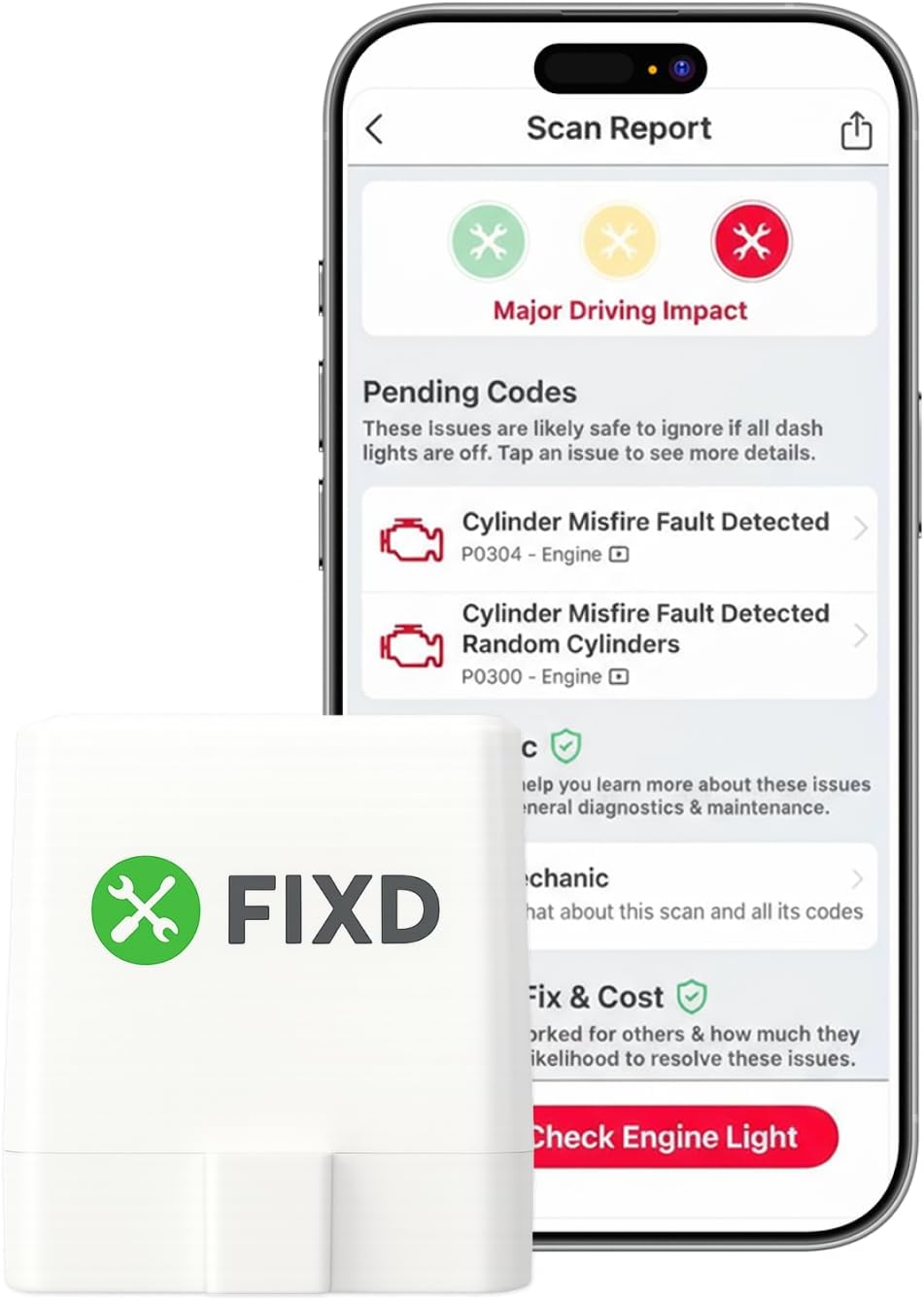
Plug in your scanner with the ignition off, then turn the key to the “ON” position without starting the engine. Most handheld scanners will auto-detect your Kia’s protocol and display stored codes within seconds. Write down every code, both pending and confirmed. A quality scanner like the FIXD OBD2 Professional Bluetooth Scan Tool connects to your smartphone and translates cryptic alphanumeric codes into plain English descriptions.

For deeper diagnostics, consider the BlueDriver Bluetooth Pro OBDII Scan Tool, which offers manufacturer-specific data for Kia vehicles including live sensor readings, freeze-frame data showing conditions when the fault occurred, and emissions readiness status for all monitored systems.

Common Kia Trouble Codes and What They Mean
Kia vehicles frequently throw specific codes based on model generation and powertrain configuration:
- P0420/P0430: Catalytic converter efficiency below threshold, often caused by worn converters or faulty downstream oxygen sensors
- P0455: Large EVAP system leak, check gas cap first, then inspect EVAP hoses and purge valve
- P0300–P0304: Random or cylinder-specific misfires, typically spark plugs, ignition coils, or fuel injectors
- P0171/P0174: System too lean, vacuum leaks, dirty MAF sensor, or weak fuel pump
- P0128: Coolant thermostat malfunction, engine not reaching optimal operating temperature
According to RepairPal diagnostic data, P0455 EVAP codes represent nearly 22% of all Kia check engine light triggers, with most resolving after simply tightening or replacing the gas cap. Always verify which code you’re dealing with before attempting any reset procedure.
Method 1: Reset Check Engine Light Using an OBD-II Scanner
This is the safest and most professional reset method. After you’ve recorded all diagnostic codes and completed necessary repairs, reconnect your OBD-II scanner to the port under your dashboard. Turn your Kia’s ignition to the ON position without starting the engine.
Navigate your scanner’s menu to find the “Erase Codes” or “Clear DTCs” function. Most scanners display this option prominently on the main screen. Press the button to clear all stored and pending codes. The scanner will communicate with your Kia’s ECU and send the command to reset fault memory. You’ll typically see a confirmation message like “Codes Cleared Successfully” within 2–3 seconds.
Turn off the ignition, wait five seconds, then start your engine. The check engine light should remain off if your repair addressed the root cause. The scanner method preserves most of your drive-readiness monitors, though some systems (like EVAP and catalyst monitors) will show “Not Ready” until you complete a full drive cycle.
This approach won’t erase permanent codes, faults that require multiple successful drive cycles to clear automatically. If you have a permanent code stored, only completing the manufacturer-specified drive cycle will remove it from ECU memory. Check your scanner’s readiness monitor screen to track which systems need additional drive time.
Method 2: Reset Check Engine Light by Disconnecting the Battery
If you don’t own a scanner, the battery disconnect method can force an ECU reset. Park your Kia on level ground, turn off the ignition, and remove your keys. Pop the hood and locate your battery, most Kia models position it on the driver’s side of the engine bay.
Using a 10mm wrench or socket, loosen the nut on the negative battery terminal (marked with a minus sign and typically black). Lift the cable completely off the terminal post and secure it away from the battery so it can’t accidentally reconnect. Leave the battery disconnected for 10–15 minutes. Some mechanics recommend 30 minutes for stubborn codes.
This waiting period allows capacitors inside the ECU to fully discharge, wiping stored fault codes and learned parameters. After the waiting period, reconnect the negative terminal and tighten the nut firmly. Start your engine, the check engine light should be off, though you may notice slightly rough idling for the first few minutes as the ECU relearns your driving patterns.
Important trade-offs: This method erases your radio presets, clock settings, and learned transmission shift points. You'll need to reset your radio stations and allow 20–50 miles of driving for smooth transmission behavior to return. More critically, it wipes all emissions readiness monitors to "Not Ready" status, which will cause an automatic emissions test failure if you have an inspection scheduled soon.
Method 3: Let Your Kia’s System Reset Automatically
After completing repairs, you can simply drive your Kia through a complete drive cycle and let the ECU verify the fix automatically. This method preserves all system settings and provides the most reliable confirmation that your repair worked.
A typical Kia drive cycle requires:
- Cold start: Engine off for at least 8 hours, ambient temperature between 40–85°F
- Idle period: Let engine warm up at idle for 2–3 minutes
- Steady cruise: Drive 50–70 mph for 10+ minutes on highway
- City driving: Mix of stops, starts, and light acceleration for 10 minutes
- Deceleration: Coast down from 50 mph without braking
The ECU continuously monitors sensors during this cycle. If all systems report normal readings for 2–3 consecutive drive cycles (typically 40–80 miles total), the check engine light will extinguish automatically and readiness monitors will set to “Ready.”
“Replaced my Sportage’s O2 sensor and drove about 60 miles. Light went off by itself after the third trip to work.” via r/kia
This patience-testing method works best when you’re not facing an immediate emissions test deadline. According to 2026 data from Smog Check Resources, vehicles with recently cleared codes need an average of 73 miles to complete all readiness monitors.
What to Do If the Check Engine Light Returns After Resetting
If your check engine light returns within minutes or a few drive cycles, your initial repair didn’t address the root problem. The ECU detected the same fault condition and re-triggered the warning. Immediately scan for codes again, you may discover additional related faults that weren’t visible before or confirmation that your repair failed.
Common scenarios include:
- Incorrect parts: Aftermarket oxygen sensors sometimes fail to meet Kia ECU specifications
- Incomplete repairs: Fixed a vacuum leak but missed a second leak elsewhere in the system
- Multiple failures: Replaced spark plugs but ignition coils are also failing
- Intermittent faults: Loose wiring connectors that disconnect during certain driving conditions
Check your freeze-frame data using an OBD-II scanner. This snapshot captures engine conditions (RPM, speed, coolant temperature, fuel trim values) at the exact moment the fault triggered. Compare conditions between fault occurrences to identify patterns.
If the light returns immediately after clearing codes, you’re dealing with a hard fault, a condition the ECU detects continuously. These require proper diagnosis and repair before any reset will stick. If it takes several drive cycles to return, you’re chasing an intermittent problem that only occurs under specific conditions like cold starts, highway speeds, or heavy acceleration.
Model-Specific Reset Procedures for Popular Kia Vehicles
Most Kia vehicles follow universal OBD-II reset procedures, but certain models have unique considerations:
Kia Forte (2019–2026): OBD-II port located under dashboard left of steering column. Battery disconnect requires radio anti-theft code re-entry on some trims. Drive cycle completion typically requires 50 miles of mixed driving.
Kia Soul (2020–2026): Shares Forte powertrain and reset procedures. Turbocharged models may need extended highway cruise (20+ minutes) to complete boost pressure monitor checks.
Kia Sportage (2017–2026): Larger SUV models take slightly longer for catalyst monitor completion, expect 80–100 miles for full readiness. Hybrid Sportage models include additional battery cooling system monitors.
Kia Niro Hybrid/PHEV (2018–2026): Hybrid system adds complexity with separate readiness monitors for electric drive components. Battery disconnect can require hybrid system recalibration at dealer. OBD-II scanner reset preferred.
Kia Telluride (2020–2026): Largest Kia SUV uses same reset procedures but drive cycle completion takes longest due to mass and powertrain characteristics, budget 100+ miles for complete monitor readiness.
Consult your owner’s manual for model-specific drive cycle requirements, which vary based on powertrain configuration and emissions equipment. Diesel Sportage models sold outside the US require diesel particulate filter regeneration cycles not applicable to US gasoline models.
Frequently Asked Questions
What are the three main methods to reset a Kia check engine light?
The three primary methods are: (1) using an OBD-II scanner to clear codes directly, which is safest and preserves emissions readiness; (2) disconnecting the battery’s negative terminal for 10–15 minutes to force an ECU reset; and (3) completing a full drive cycle of 50–100 miles of mixed driving to let the Engine Control Unit automatically verify repairs.
Why does my Kia check engine light stay on after I fixed the problem?
The light remains on because the ECU hasn’t confirmed your repair yet. With scanner or battery reset methods, drive cycles must complete (typically 50–100 miles) for readiness monitors to reset to ‘Ready’ status. If the light returns repeatedly, your repair may be incomplete or incorrect—rescan for codes to diagnose the actual fault.
How long does it take for a Kia check engine light to reset on its own?
A complete automatic reset requires 50–100 miles of mixed driving (highway, city, and idle) after repairs. According to recent data, vehicles need an average of 73 miles to complete all readiness monitors. Cold starts, steady highway cruising, and varied city driving are necessary for the ECU to verify the fix and extinguish the light.
What are the most common Kia trouble codes that trigger the check engine light?
The most frequent codes include P0455 (EVAP system leak—often a loose gas cap), P0420/P0430 (catalytic converter issues), P0300–P0304 (misfires), P0171/P0174 (system too lean), and P0128 (thermostat malfunction). P0455 codes alone represent nearly 22% of all Kia check engine light triggers.
Will disconnecting my Kia’s battery erase my radio presets when I reset the check engine light?
Yes. The battery disconnect method erases radio presets, clock settings, and learned transmission shift points. You’ll need to reprogram your radio stations and allow 20–50 miles of driving for transmission behavior to normalize. For this reason, using an OBD-II scanner is recommended to preserve settings.
Can I fail my emissions inspection if my Kia check engine light recently came back on?
Yes. Most states require all readiness monitors to show ‘Ready’ status for a passing emissions certificate. An active check engine light or ‘Not Ready’ monitors will cause an automatic test failure. You must complete a drive cycle or use a scanner to clear codes and ensure monitors reach ‘Ready’ before inspection.
Read More:
- Kia Forte Check Engine Light (Here’s the Complete Diagnostic Guide)
- Kia K5 Check Engine Light (Quick Fixes & Diagnostic Steps)
- Kia Optima Check Engine Light (Means and How to Diagnose)
- Kia Niro Check Engine Light (Here’s the Complete Diagnostic Guide)
- Kia Seltos Check Engine Light (Means and Troubleshooting Guide)