
That glowing amber light on your Nissan’s dashboard just appeared. Your heart sinks. Is it serious? Can you keep driving? Should you pull over immediately?
The Nissan check engine light (Malfunction Indicator Lamp, or MIL) signals that your onboard diagnostic system (OBD-II) has detected an emissions-related fault or engine performance issue, ranging from a loose gas cap to serious engine misfire or catalytic converter failure. A steady yellow light means you should diagnose soon: a flashing light demands immediate attention to prevent expensive damage.
You don’t need to panic, but you shouldn’t ignore it. With the right OBD-II scanner and these diagnostic steps, you’ll decode the trouble code, understand the root cause, and decide whether it’s a quick DIY fix or a trip to your Nissan service center.
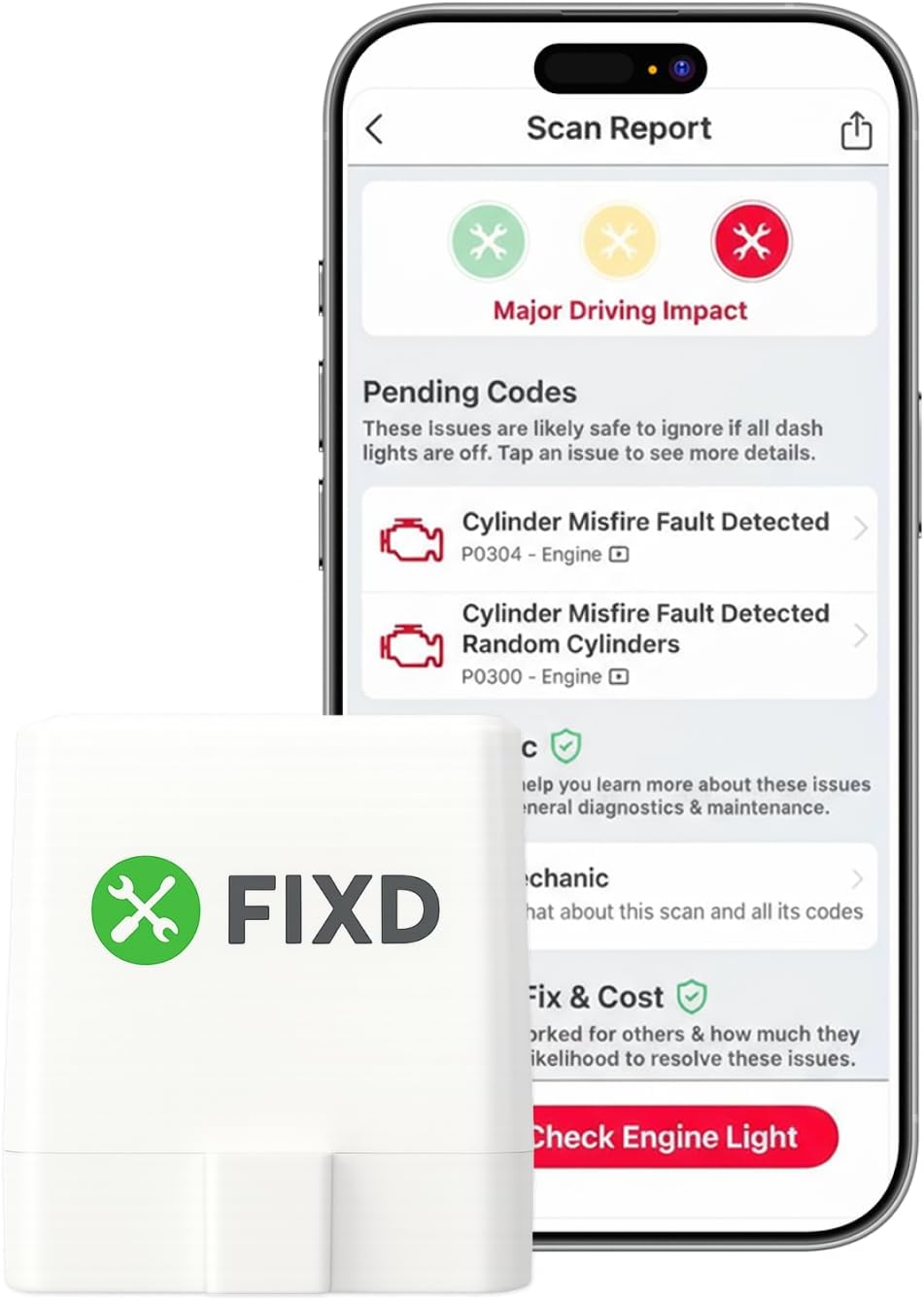
Best Bluetooth OBD2 Scanner
Detect 39,000+ Issues With Enhanced Codes. Save $1000s on car repairs & buying used vehicles by diagnosing problems yourself.
Shop on Amazon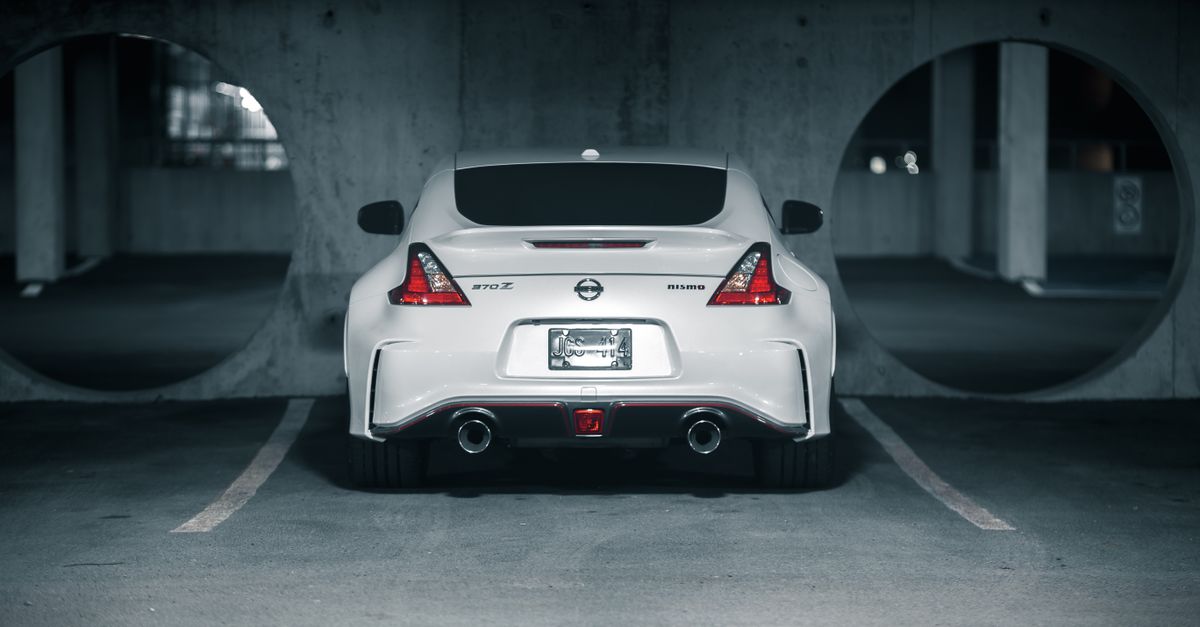
Key Takeaways
- A Nissan check engine light indicates an emissions-related or engine performance fault; a steady yellow light allows safe short-distance driving, but a flashing light demands immediate attention to prevent catalytic converter damage.
- Common causes like loose gas caps, faulty oxygen sensors, MAF sensor contamination, and catalytic converter issues can be diagnosed using a basic OBD-II scanner ($25–$50) to retrieve trouble codes.
- Always diagnose before clearing codes—rushing to reset your check engine light without fixing the underlying issue only masks the problem and risks turning a $150 repair into a $2,000+ failure.
- DIY fixes include inspecting your gas cap, cleaning the MAF sensor with proper cleaner, and replacing oxygen sensors if you have basic tools; schedule professional service for flashing lights, misfire codes, or CVT-related faults.
- Driving with a solid check engine light is acceptable for short trips, but prolonged driving with lean conditions or minor misfires can progressively damage expensive components like your catalytic converter.
What Does the Nissan Check Engine Light Mean?
Your Nissan’s check engine light is part of the OBD-II emissions monitoring system mandated since 1996. When sensors detect abnormal readings, fuel trim deviations, misfire counts, EVAP leaks, or sensor voltage outside normal range, the Engine Control Module (ECM) logs a Diagnostic Trouble Code (DTC) and illuminates the MIL.
A solid yellow or amber light indicates a non-critical fault. You can typically drive short distances, but schedule diagnostics within a few days. Common triggers include EVAP leaks, failing O2 sensors, or MAF contamination.
A flashing check engine light signals active cylinder misfire, unburned fuel entering the exhaust. This can overheat and destroy your catalytic converter within minutes, costing $1,200–$2,500 to replace. Pull over safely, reduce speed, and avoid heavy acceleration until you diagnose the fault.
Nissan models with CVT transmissions (Altima, Rogue, Sentra, Pathfinder) may display the check engine light for transmission control codes like P0700 or P0845. These often point to CVT fluid degradation, solenoid faults, or internal clutch wear, issues requiring immediate professional diagnosis to avoid $3,000+ transmission repairs.
Common Reasons Your Nissan Check Engine Light Turns On
Loose or Faulty Gas Cap
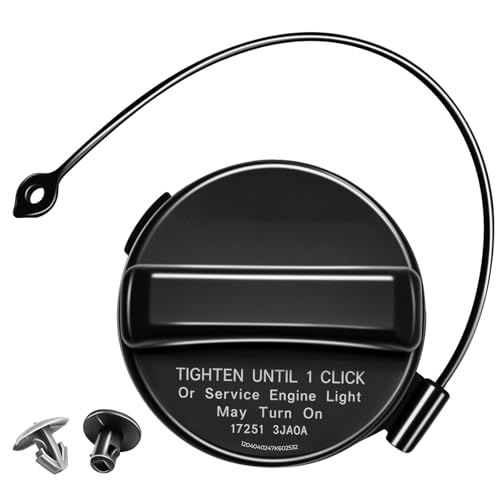
The most frequent, and simplest, cause of a Nissan check engine light is a loose, damaged, or missing fuel cap. The EVAP system maintains sealed fuel vapor pressure. When the cap doesn’t seal, the ECM detects a small leak and triggers codes P0440, P0441, or P0455 (EVAP System Leak Detected – Large Leak).
Remove your gas cap, inspect the rubber gasket for cracks or dirt, wipe it clean, and reseat it until you hear three clicks. If the cap looks worn or the seal is compromised, replace it, OEM Nissan caps cost $15–$25 at your dealer or on Amazon. Drive for 20–50 miles through multiple cold starts: the ECM will re-run EVAP self-tests and may clear the light automatically if no leak persists.
Oxygen Sensor Failure
Nissan vehicles use multiple oxygen (O2) sensors, upstream (Bank 1 Sensor 1) and downstream (Bank 1 Sensor 2), to monitor exhaust gases and optimize air-fuel mixture. Over 100,000 miles, sensors degrade from heat and contaminants, causing sluggish response and codes P0131, P0132, P0135, P0141, or the classic P0420 (Catalyst System Efficiency Below Threshold).
A failing upstream O2 sensor forces the ECM into open-loop mode, increasing fuel consumption by 10–15% and raising emissions. Downstream sensor failure won’t hurt performance but will prevent passing emissions testing. Replacement costs $80–$200 per sensor plus labor. DIYers with a 22mm O2 sensor socket can swap sensors in 30 minutes, just ensure the engine is cool and apply anti-seize compound to threads.
Catalytic Converter Issues
Code P0420 or P0430 (Catalyst System Efficiency Below Threshold, Bank 1 or Bank 2) appears when your catalytic converter no longer reduces NOx, CO, and hydrocarbons to EPA standards. Root causes include prolonged driving with misfires (unburned fuel melts internal substrate), oil consumption from worn piston rings, or simple age, most converters last 80,000–120,000 miles.
Before replacing a $600–$2,500 catalytic converter, verify upstream O2 sensors are healthy and check for exhaust leaks before the sensor. Some drivers see temporary P0420 relief after an Italian tune-up, a sustained highway run at 60+ mph to burn carbon deposits. If the converter truly failed, replacement is the only fix: aftermarket options exist but may not meet Nissan’s strict flow and emissions specs.
Mass Airflow Sensor Problems
The Mass Airflow (MAF) sensor sits between your air filter and throttle body, measuring intake air volume so the ECM can calculate correct fuel delivery. Dirty air filters or oil contamination coat the sensor’s hot-wire elements, causing codes P0100, P0101, P0102, P0171, or P0174 (System Too Lean Bank 1/2).
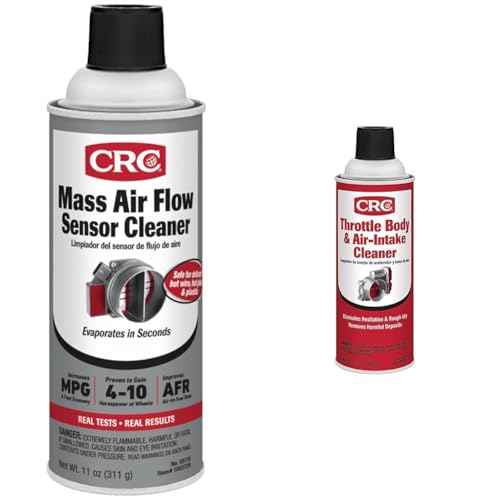
Symptoms include rough idle, hesitation on acceleration, black exhaust smoke, and poor fuel economy. Clean the MAF sensor with CRC MAF Sensor Cleaner, never use brake cleaner or carb cleaner, which damage delicate elements. Remove the sensor (two screws, one electrical connector), spray 10–15 short bursts, let it air-dry for 10 minutes, and reinstall. If cleaning doesn’t resolve the fault, replacement MAF sensors run $120–$300.
How to Read Nissan Check Engine Light Codes
You need an OBD-II scanner to retrieve stored DTCs. Budget code readers ($25–$50 on Amazon) display basic P-codes. Mid-range scanners like the BlueDriver Bluetooth OBD2 Scanner ($100–$120) pair with your smartphone, show live data, and offer Nissan-specific code definitions and repair reports.

Locate your OBD-II port under the driver’s side dash, left of the steering column. Plug in the scanner with the ignition OFF. Turn the key to ON (engine off). Select “Read Codes” or “Scan” on your device. Write down all displayed codes, both pending (intermittent faults) and stored (confirmed faults). Note freeze-frame data: RPM, coolant temp, load, and fuel trim at the moment the code set.
Common Nissan DTCs include P0171/P0174 (lean condition), P0300–P0304 (misfire), P0420/P0430 (catalyst efficiency), P0440/P0455 (EVAP leak), P0700 (transmission control system), and P0845 (transmission fluid pressure sensor). Cross-reference codes on Nissan’s Technical Service Bulletins or enthusiast forums like NissanClub to see if your model year has known issues or recalls.
What to Do When Your Nissan Check Engine Light Comes On
Step 1: Check if the light is steady or flashing. Flashing means pull over safely, continuing to drive risks catalytic converter damage.
Step 2: Note any performance changes: rough idle, poor acceleration, transmission slipping, unusual noises, or smoke from the exhaust.
Step 3: Inspect your gas cap. Remove, clean, and reseat it firmly. If the cap is damaged, replace it before driving further.
Step 4: Scan for codes with an OBD-II reader. Write down all DTCs and freeze-frame data. Research each code to understand severity.
Step 5: Address simple fixes first, replace the gas cap, clean the MAF sensor, check that all vacuum hoses and electrical connectors are secure. Clear the codes and test-drive 20–50 miles to see if the light returns.
Step 6: For persistent or severe codes (misfire, catalyst efficiency, CVT faults), schedule a diagnostic appointment with a Nissan Certified Technician. Bring your scan data to save diagnostic time.
“My 2018 Rogue threw P0420. Replaced upstream O2 sensor first, light came back in 100 miles. Turned out to be the cat, $1,800 at dealer.” via r/NissanRogue
This real experience underscores the importance of methodical diagnosis: O2 sensors often fail because the catalyst is marginal, not the other way around.
Can You Drive with the Check Engine Light On?
Solid yellow light: Yes, for short distances and non-emergency trips. Monitor for new symptoms, loss of power, overheating, strange noises. Schedule a diagnostic scan within 3–5 days. Prolonged driving with lean/rich conditions or minor misfires can damage the catalytic converter or O2 sensors, turning a $150 fix into a $2,000 repair.
Flashing check engine light: No. Active misfire dumps raw fuel into the exhaust, overheating the catalytic converter’s ceramic honeycomb to 1,400°F+. This can melt internal substrate in under 10 miles of highway driving. Pull over, let the engine cool, and arrange a tow or drive at low speed (<30 mph, low RPM) to the nearest service center.
If your Nissan’s check engine light accompanies a loss of power, rough idle, or transmission slipping (especially on CVT models), continuing to drive risks stranding yourself or causing internal engine/transmission damage. CVT codes like P0845 often indicate clutch pressure issues, continuing to drive can shred friction material and contaminate the entire transmission.
How to Reset Your Nissan Check Engine Light
After completing repairs, you can clear codes three ways:
Method 1: OBD-II Scanner Clear Function
With the ignition ON (engine off), select “Clear Codes” or “Erase DTCs” on your scanner. The light will turn off immediately. Drive 20–50 miles through varied conditions (city, highway, cold start) so the ECM completes readiness monitors. If the fault persists, the light will return.
Method 2: Battery Disconnect
Remove the negative battery terminal for 10–15 minutes to reset the ECM. This erases all learned adaptive values (idle speed, fuel trims), so expect rough idle for the first 10–20 miles while the ECM relearns. This method also resets your radio presets and clock.
Method 3: Drive Cycle Completion
For minor faults (loose gas cap), simply fixing the issue and driving 20–50 miles may auto-clear the light after the ECM runs self-tests and confirms the fault is gone. This is the safest method, it proves the repair worked.
“Cleared P0455 with my scanner, light came back in 30 miles. Bought new gas cap, cleared again, stayed off for 6 months now.” via r/Nissan
Never reset codes without diagnosing first. Clearing a misfire or CVT code won’t fix the underlying mechanical fault, it only hides the symptom temporarily.
When to Take Your Nissan to a Mechanic
Seek professional diagnostics if you encounter:
- Flashing check engine light (immediate tow or low-speed transport)
- Multiple codes or codes in multiple systems (engine + transmission, or all cylinders misfiring)
- P0420/P0430 with verified good O2 sensors (likely catalyst replacement)
- CVT-related codes (P0700, P0845, P2A00), CVT diagnosis requires Nissan Consult III scan tool and fluid analysis
- Persistent codes after DIY repairs, chasing ghosts wastes time and money
- Loss of power, overheating, or smoke, these indicate imminent failure
A Nissan Master Certified Technician has access to Technical Service Bulletins, reflash updates, and specialized tooling unavailable to DIYers. For example, 2013–2018 Altima and Rogue models have known ECM software issues causing false EVAP codes, dealer reflash takes 30 minutes and is often covered under extended emissions warranty (8 years/80,000 miles federally).
Bring your OBD-II scan data, note when the light appeared, and describe any performance changes. This saves the shop 0.5–1.0 hour of diagnostic labor ($60–$150), letting them focus on root-cause testing and repair.
Frequently Asked Questions
What does the Nissan check engine light mean?
The Nissan check engine light, or Malfunction Indicator Lamp (MIL), signals that your onboard diagnostic system (OBD-II) has detected an emissions-related fault or engine performance issue. A steady yellow light means non-critical faults; a flashing light indicates active misfire demanding immediate attention to prevent catalytic converter damage.
Is a loose gas cap the most common cause of a Nissan check engine light?
Yes, a loose, damaged, or missing fuel cap is the most frequent and simplest cause. It triggers EVAP system leak codes (P0440, P0441, P0455). Simply remove the cap, inspect the rubber gasket, clean it, and reseat until you hear three clicks. A new OEM cap costs $15–$25.
Can I drive with a flashing Nissan check engine light?
No. A flashing check engine light indicates active cylinder misfire, dumping raw fuel into the exhaust. This overheats the catalytic converter to 1,400°F+, potentially destroying it within 10 miles. Pull over safely and arrange a tow or drive at low speed (<30 mph) to a service center.
How much does it cost to replace a Nissan catalytic converter?
Catalytic converter replacement costs $600–$2,500 depending on your Nissan model. Prolonged driving with misfires, oil consumption, or age (most last 80,000–120,000 miles) can trigger codes P0420 or P0430, indicating catalyst efficiency failure requiring professional replacement.
What does the P0700 check engine code mean on a Nissan?
P0700 is a transmission control system fault, common on Nissan CVT models (Altima, Rogue, Sentra, Pathfinder). It often indicates CVT fluid degradation, solenoid faults, or clutch wear. This requires professional diagnosis with Nissan Consult III tools to avoid $3,000+ transmission repairs.
How do I read Nissan check engine light codes with an OBD-II scanner?
Locate your OBD-II port under the driver’s side dash, left of the steering column. Plug in the scanner with ignition OFF, turn key to ON (engine off), select ‘Read Codes,’ and write down all displayed DTCs and freeze-frame data. Budget code readers cost $25–$50; mid-range options like BlueDriver ($100–$120) offer Nissan-specific definitions.
Read More:
- Kia Check Engine Light (Complete Troubleshooting Guide)
- Mazda Check Engine Light (Here’s the Complete Diagnostic Guide)
- Honda Check Engine Light (Means, Causes and How to Decode)
- Jeep Check Engine Light (Here’s the Quick Diagnostic Guide)
- Ford Check Engine Light (Means and Step-By-Step Diagnosis)